Text and photos by Ante Hamersmit
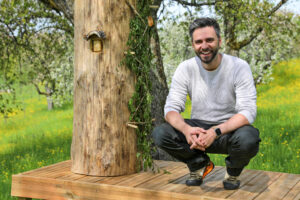
I used my summer holiday to get away – away from routine, from everyday life, and also a little from my usual digital paths. During this break, I made an important decision:
I changed all my social media channels to MARK.THIS.MOMENT.
The catalyst was not a big bang, but a gradual evolution. What once began with Antes.Golden.Girls, that is, honey bees, has expanded step by step – to wild bees, to insects, to plants, to building with wood, to living with nature. The focus has shifted – away from a single species and towards the wider context in which it is integrated.
What remains at the heart of it all, however, are the moments. Moments that change me, transform me, and take me to a higher level. When a colony dies, and I may even be to blame, that is an experience that still helps me grow. When a building project fails – and I nevertheless manage to turn it around. When a hornet that has nearly starved to death comes back to life on my finger after I have nursed it back to health – all of these are defining moments that set the course of the rest of my life in a different direction. And I want to inspire the same in others through my online presence: to inform, inspire and guide – to create moments that people mark in their minds.

Logo of the new channel Mark.This.Moment
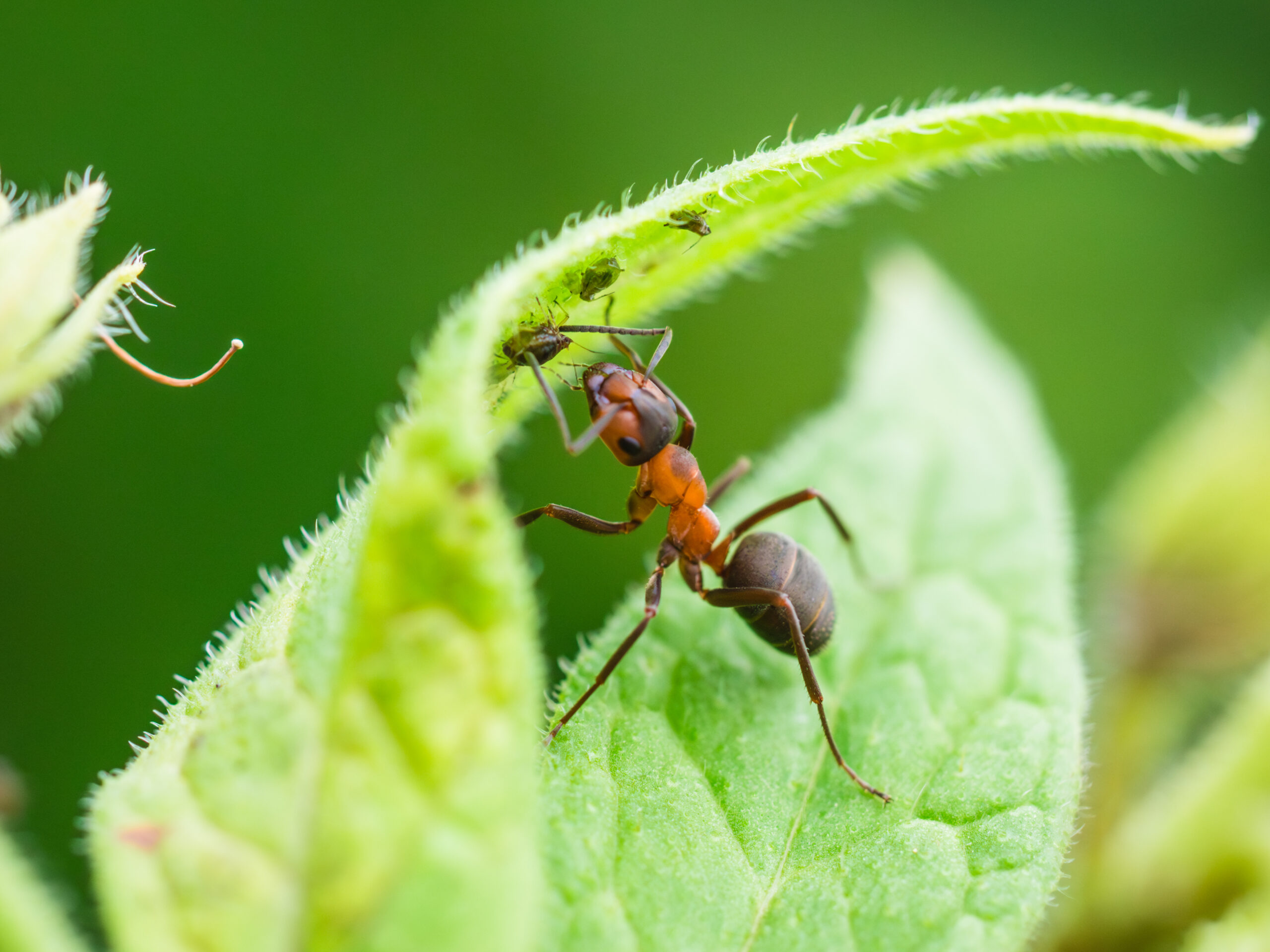
Ant inspecting an aphid
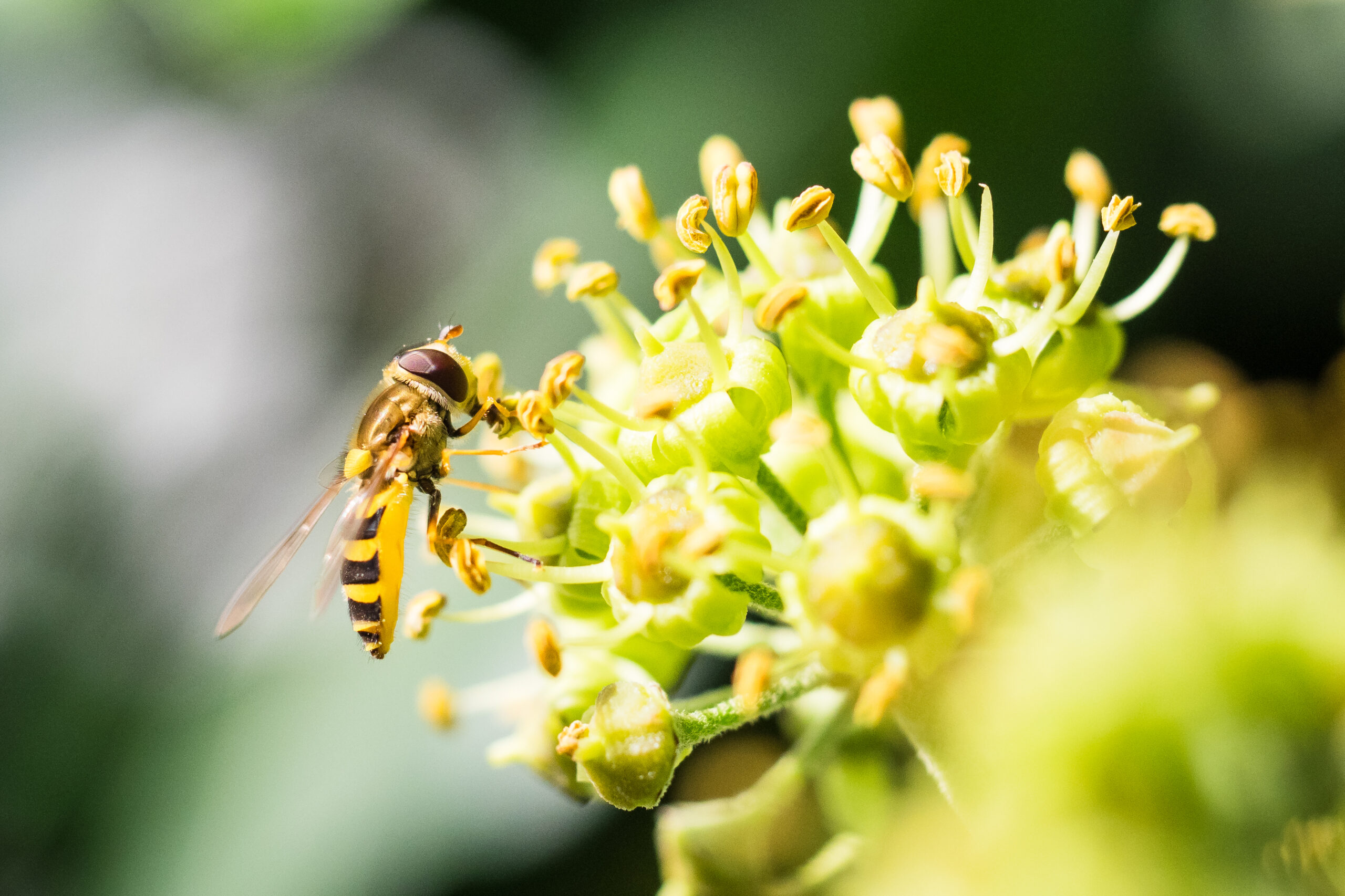
Hoverfly on an ivy flower
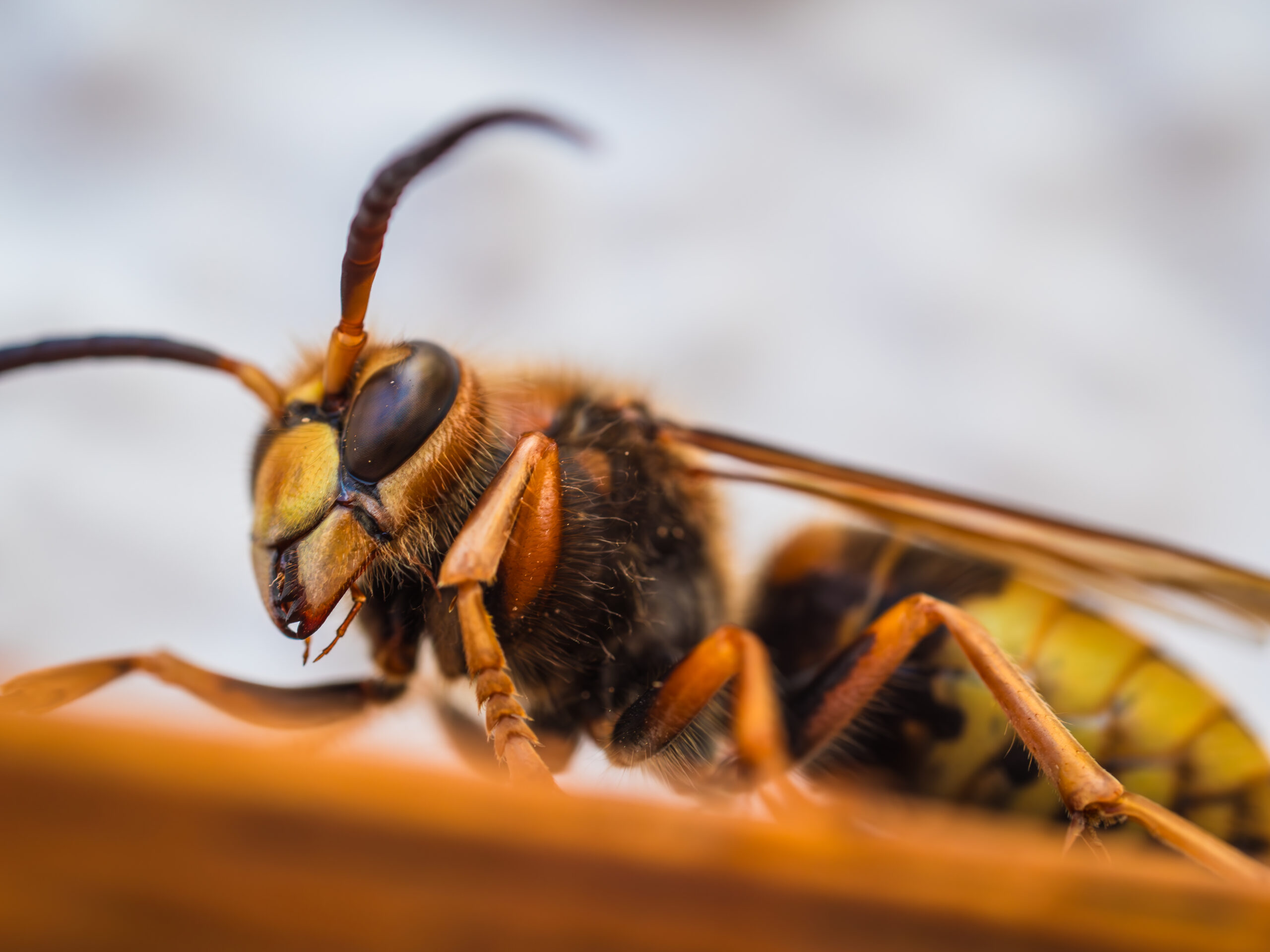
Native hornet on a windowsill
Sometimes success and failure are only a few steps apart. A colony in a particularly natural hive did not make it. It was placed in a secluded spot and deliberately left unobserved – I wanted to give the bees room. Not to interfere with their development. To check on them only in late summer. But perhaps a mistake at the outset was the cause of the failure.
The new colony came from an artificial swarm. The original colony had started queen cells, and I thought they were ready to set off for new horizons. Today I think: perhaps they did not want to swarm at all, but to replace the queen. Perhaps she was ill or tired. There was some flight activity at the new home, but I was not there to pay attention to the details: pollen baskets, mood, scent. Focusing on only the greatest enemy, I realised too late that a small cluster of bees was still there, but that building activity must have ground to a halt in its early stages. I fear that the tired queen fell asleep forever before she could bring forth the next generation in this new colony.
At the same time, there are bright spots: my colony in the Weißenseifen hanging basket, which I thought was dead, is still alive. Not strong, but alive. And that is more than the community expected. They thought I should dissolve it, but something told me I had to hold on to them. And here they are. Still here. Defying all expectations.
I am also pleased with the baskets that weak colonies moved into. They have developed well – not to production-colony size, but that was never the goal. Nevertheless, I will soon have to make a decision here too: combine two baskets, or give each one its own chance. As always, it is a difficult decision.
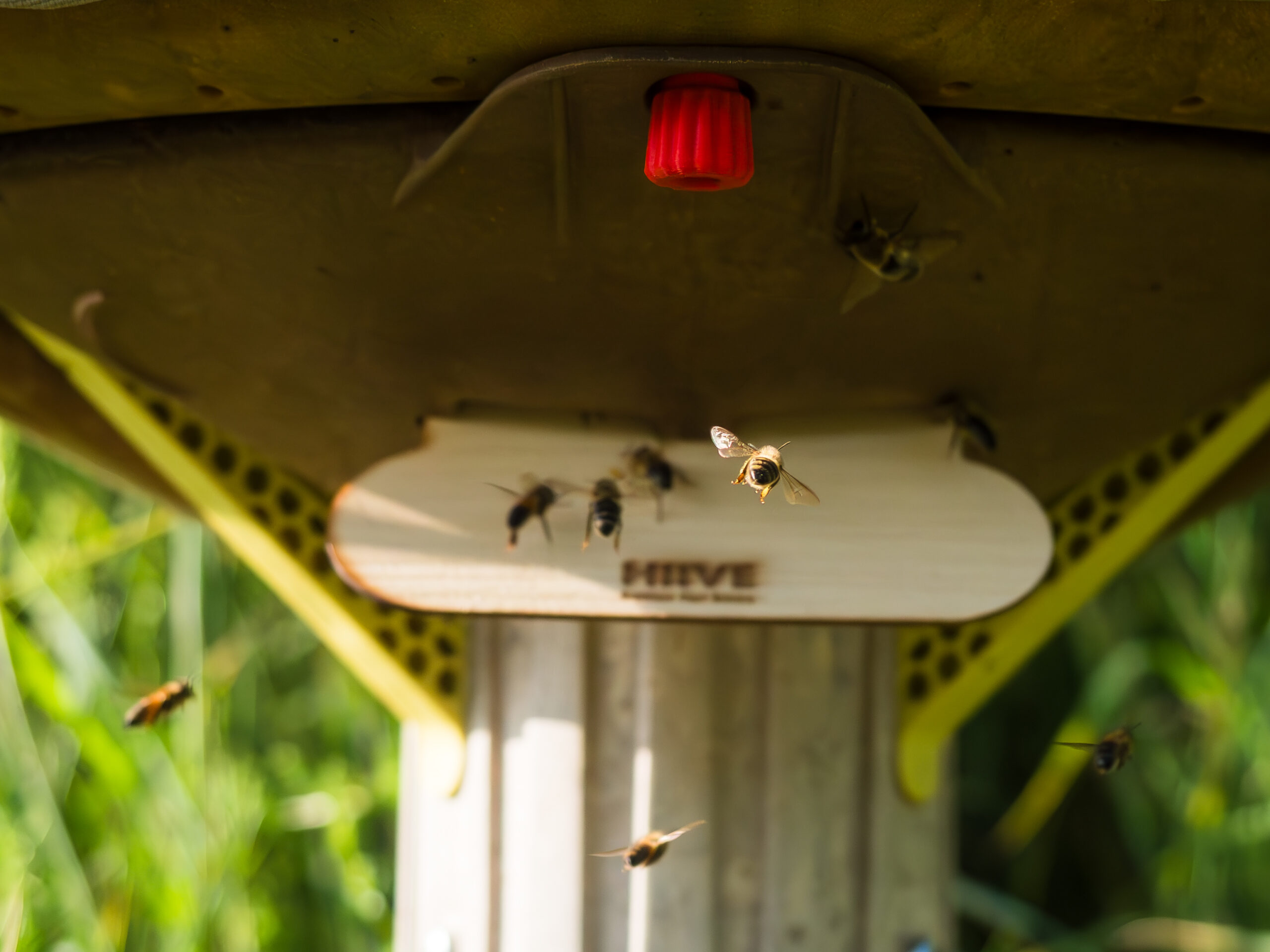 A bee returns home from a foraging flight to a queenless colony
Bees gather in front of the entrance of a Lüneburg basket hive on a rainy day
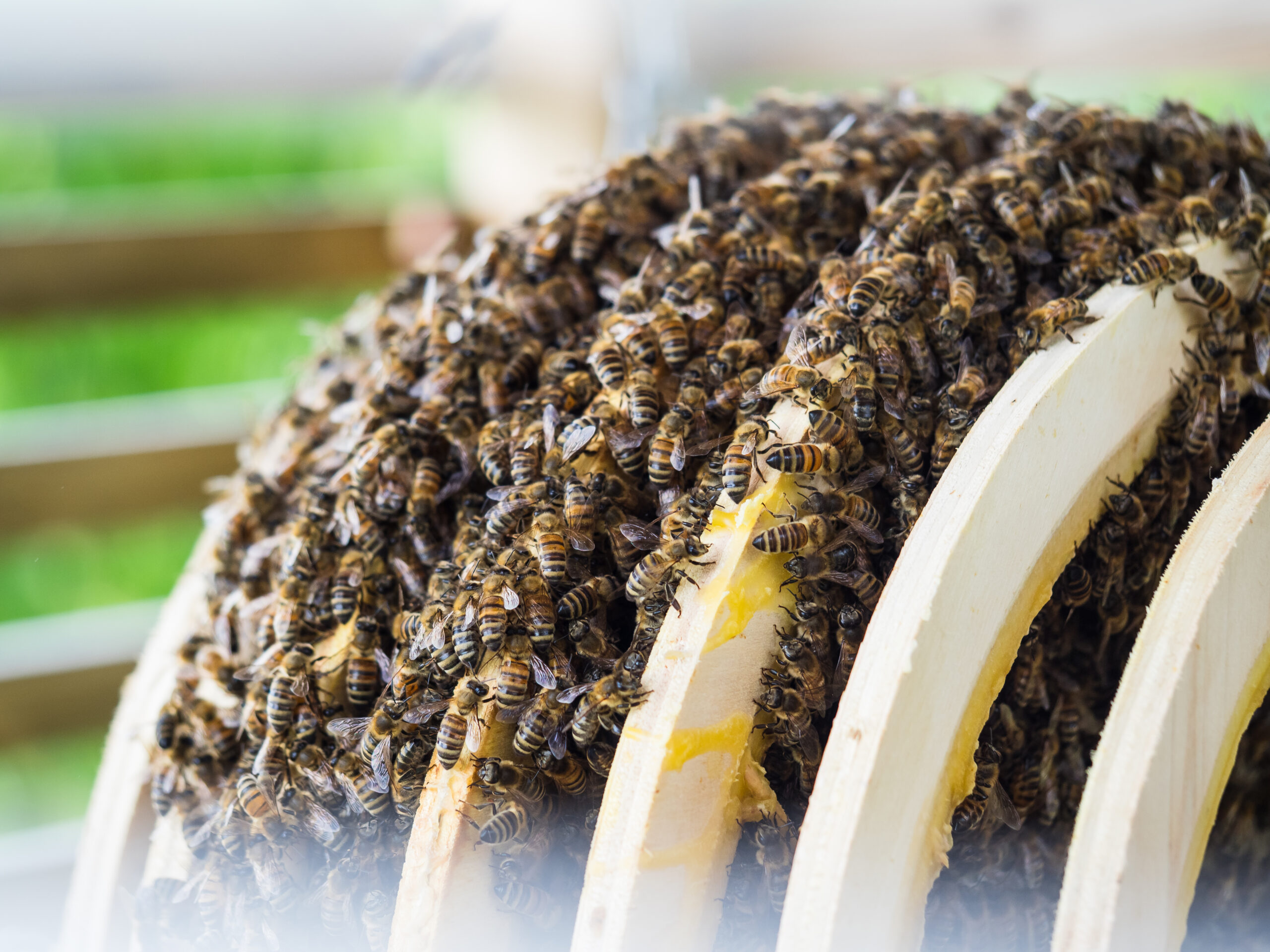
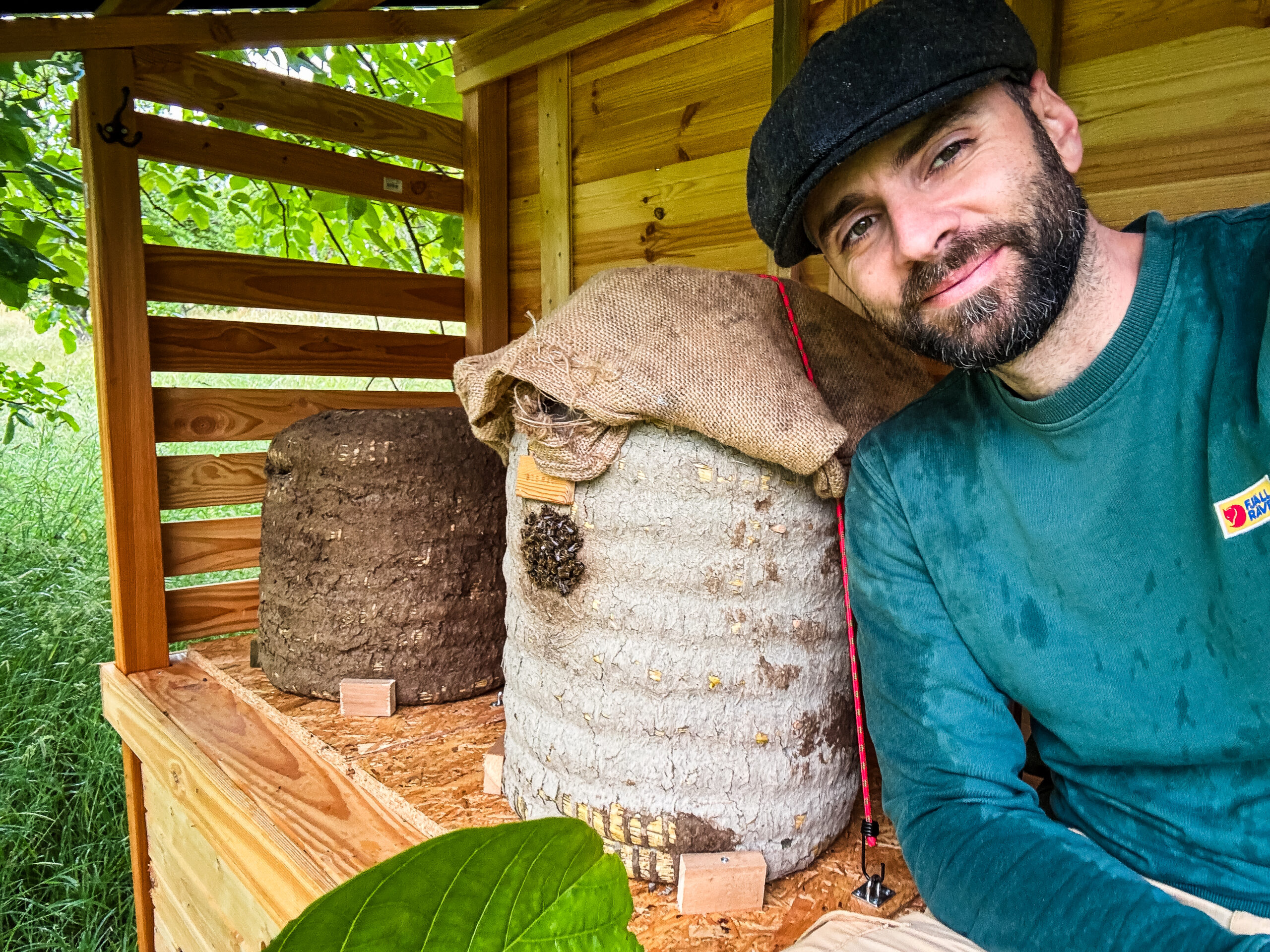
Bee colony in a Weißenseifen hanging basket
My first experiences with Calistrip have been mixed – it is still too early to reach a definitive verdict. What I have observed: the bees have altered their comb to make room for the strips. This is fascinating behaviour. The strips have indeed been “worn down”, so the bees have apparently distributed the oxalic acid throughout the hive. However, even after five weeks the strips are still not “empty”, which makes me wonder whether the treatment is strong enough. So far, I have seen only a few dead Varroa mites on the floor. But I also know that ants and earwigs are busy – they may have carried them away. It is encouraging that I am not currently seeing any mites on the bees. The coming weeks will show how effective the method really is. I will keep monitoring it.
This month, a TV crew from SWR came to visit me. They followed me around – not because I am the most experienced beekeeper, but because I take a different path. The path of the bee. Because I put the nature of the bee colony first. Because I want to show traditional beekeeping – without marketing, without a mask. This arouses interest. And it shows me that those of us who follow this path need to build on that interest and talk about it.
At the end of September, I will begin preparing the colonies for winter. Despite taking very little honey, many colonies have barely stored any food. The landscape here simply has little more to offer. This is a human-made issue that is increasingly on my mind.
See you soon – under the new name.
Ante
YouTube: https://www.youtube.com/@MARK.THIS.MOMENT
Instagram: https://www.instagram.com/markthismoment.co
TikTok: https://www.tiktok.com/@mark.this.moment
Website: https://antes-golden-girls.com
Subscribe to our newsletter here so you don’t miss any new blog posts.
Beekeeping Calendar 2025 – May: Spring Awakening in the Hive: Pollen, Brood and First Challenges
Beekeeping Calendar 2025 – April: First Inspection of the Bees
Beekeeping Calendar 2025 – March: Too Many Bees? Too Much Honey?
Beekeeping Calendar 2025 – January: The End and the Beginning
January – February: Retrospective and Planning for the New Beekeeping Season
March: Preparing for the New Beekeeping Season and Ensuring Adequate Food Supplies
July: Never Treat Bees Without First Measuring Infestation Levels
August: How Do Location and Conditions Affect the Health of Bee Colonies in Midsummer?
Text and photos by Ante Hamersmit Ante Hamersmit has a special way of keeping bees. A log hive resembles a tree trunk...
Text and photos by Ante HamersmitAnte Hamersmit has a special way of ...
Text and photos by Ante HamersmitAnte Hamersmit has a distinctive way...
Important information
Important information: The original texts are published in German. The French, Italian and English versions are translated automatically and checked where possible. Please report any errors to bee@freethebees.ch.