615 reasons to safeguard biodiversity and our food supply – our wild bees:
Discover the diversity, threats and importance of wild bees in Switzerland – and what you can do.
Around 615 wild bee species are known in Switzerland. Many of these species are highly specialised, provide essential pollination services and are indispensable to the balance of our ecosystems.
According to the FOEN Red List , around 10% of species are already considered extinct and a further 36% are threatened.
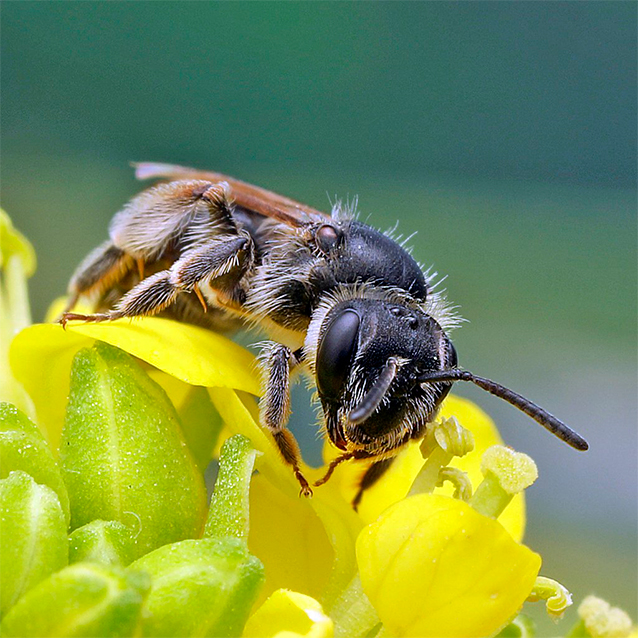
Andrena Distinguenda
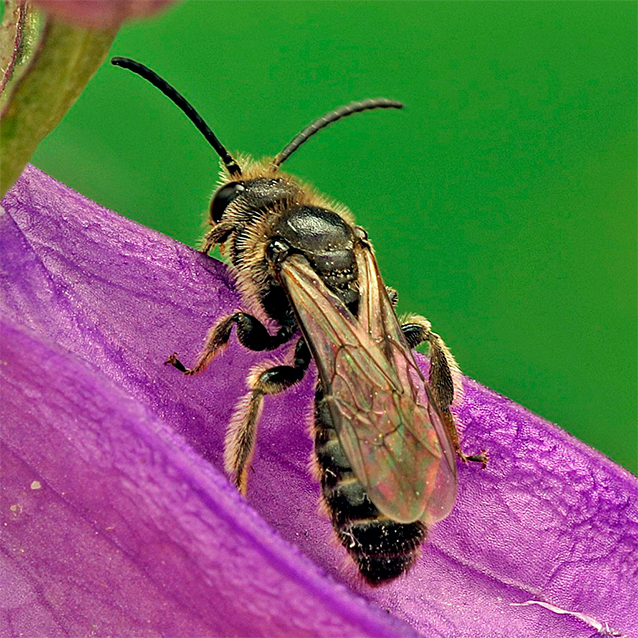
Dufourea Inermis
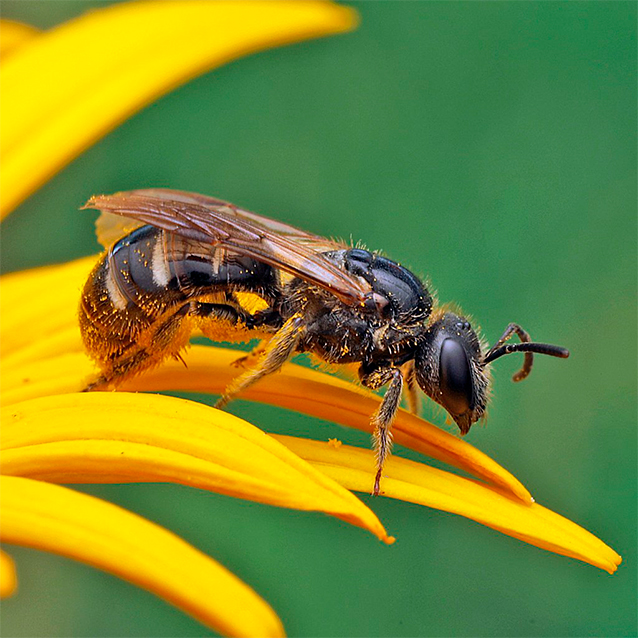
Lasioglossum Quadrinotatulum
Most wild bee species live solitary lives. Each female builds her own nest, creates brood cells and provisions them without any help from other females of her species. Only a few species – such as bumblebees and some sweat bees – display social behaviour similar to that of the honey bee.
Particularly ingenious: around a quarter of all wild bee species do not care for their own brood. These so-called cuckoo bees sneak into other bees’ nests, lay their eggs there – and leave all the work to the host. Their larvae eat the stored pollen, displacing the host bee’s offspring.
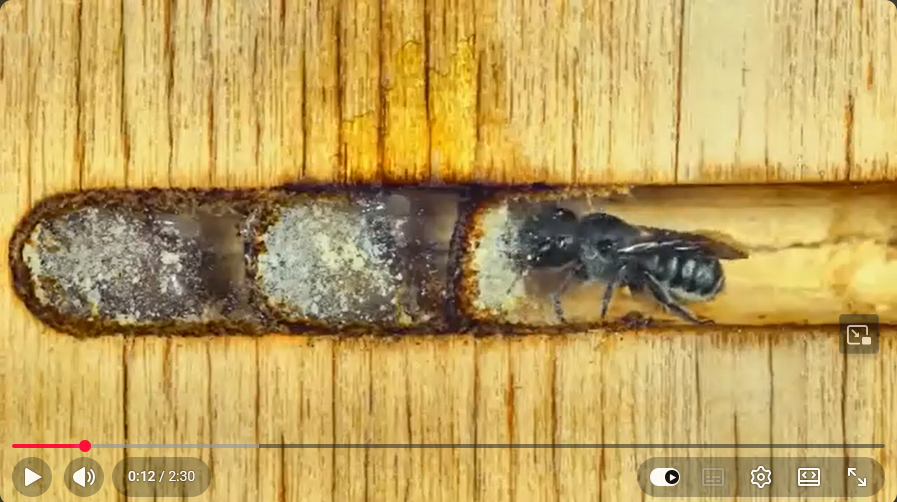
Source: https://www.youtube.com/watch?v=Pd80hddYF80
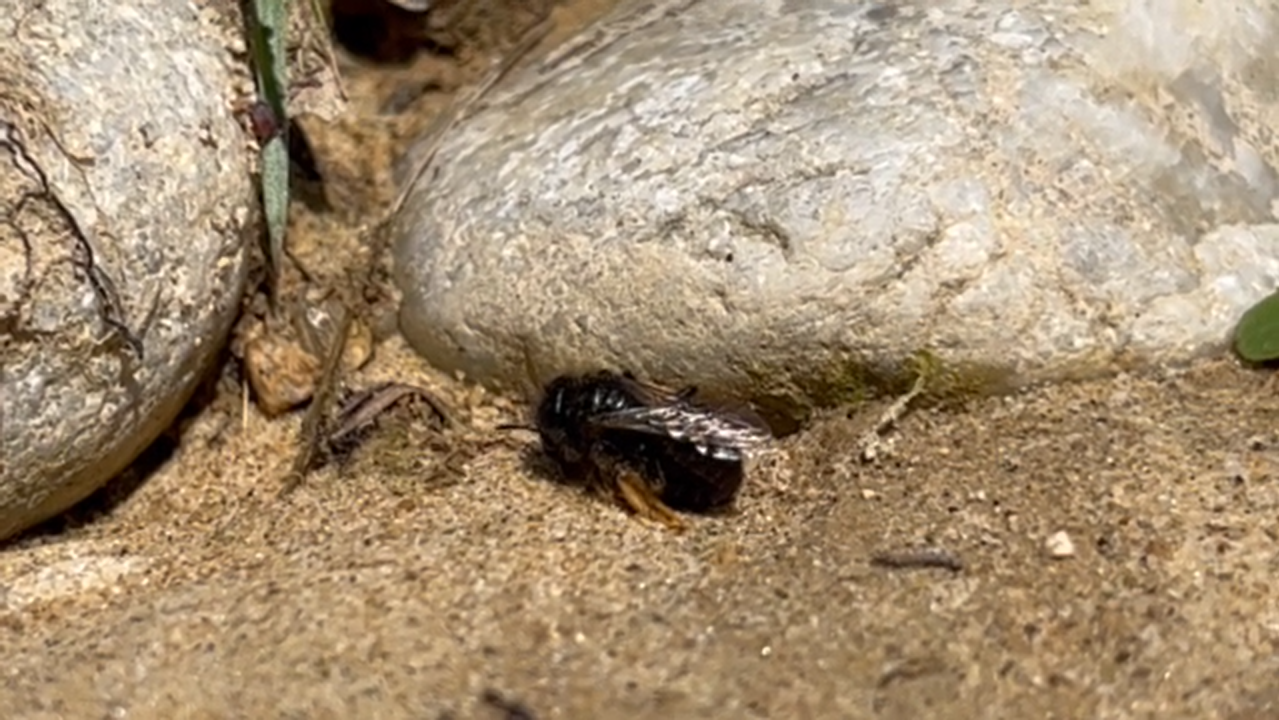
Source: Thomas Gfeller
Honey bees are the only ones to overwinter as a social colony, which is why they must store food reserves in the form of honey to survive the winter. The carbohydrate-rich honey reserves in particular provide the energy needed to heat the colony.
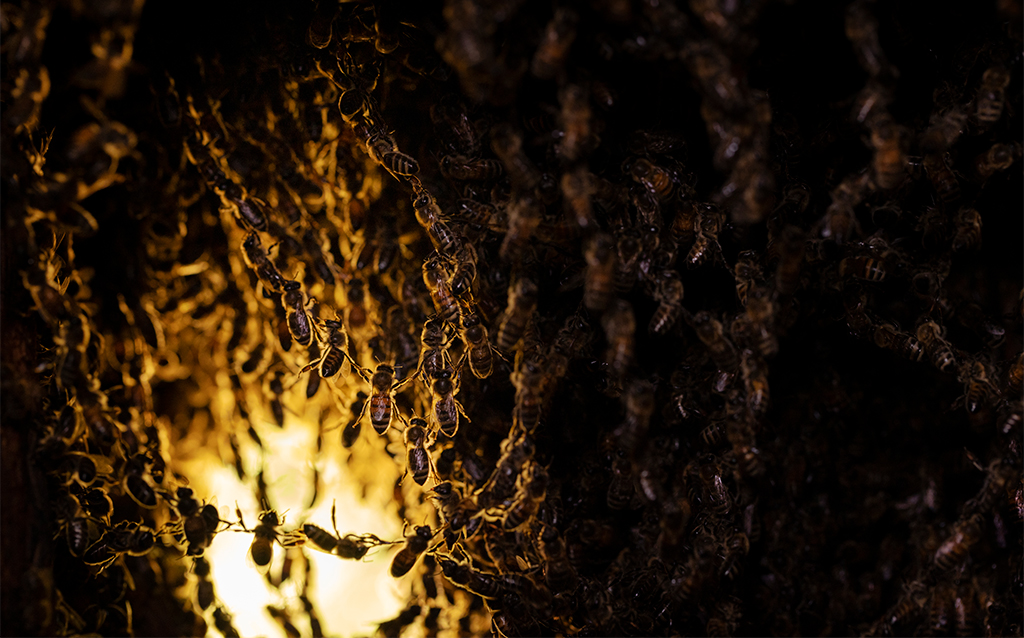
Wild-living honey bees in a tree cavity. Photo: Ingo Arndt
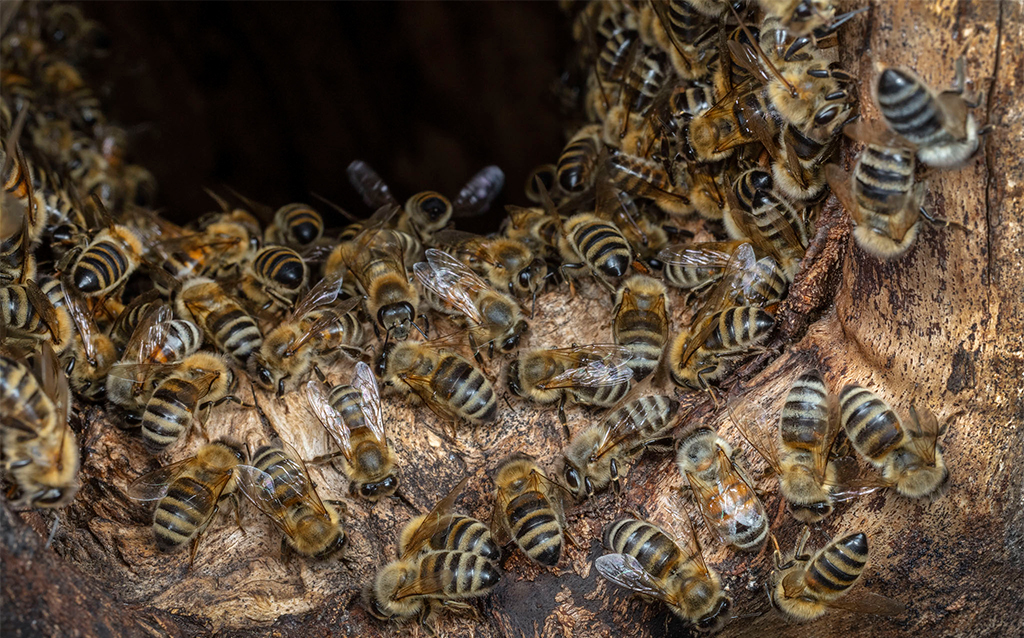
Honey bees in a tree cavity. Photo: Ingo Arndt
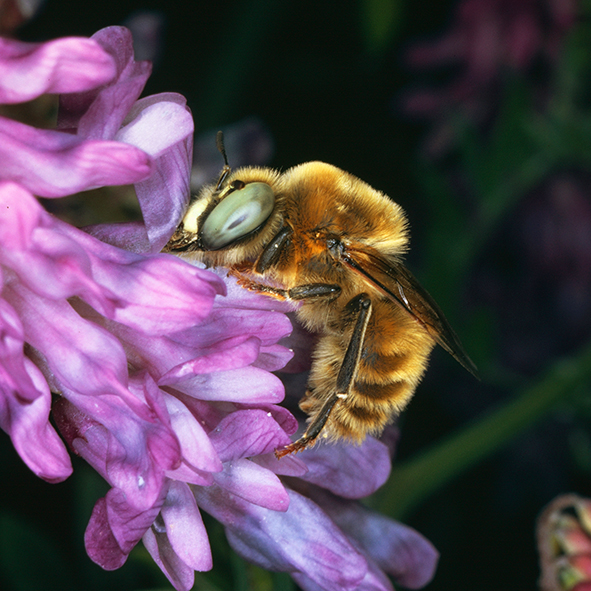
This list shows wild bees currently found in Switzerland, as well as some that have…
List of wild bees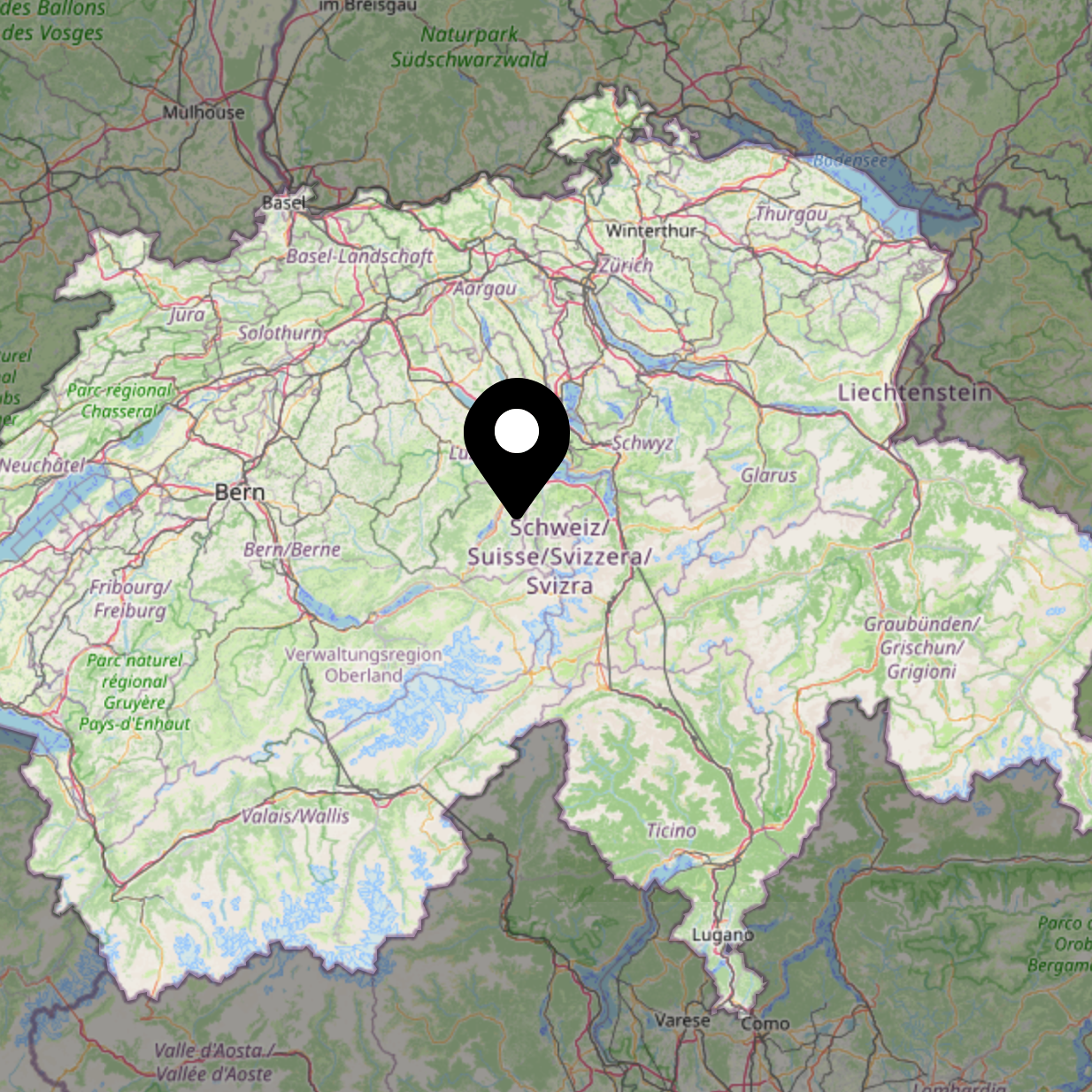
The Bee-Finder shows which bees live in your region, whether they are threatened and more.
Go to Bee-FinderHabitat loss
Intensive agriculture, urban development pressures and a lack of habitat structures.
Various environmental toxins, including pesticides
Weaken health, reproduction and orientation, and place bees under chronic stress.
Competition from managed honey bees
Excessive bee density (managed honey bees) leads to competition for food and facilitates disease transmission.
Climate change
Can change the flowering patterns of plants and lead to shifts in the geographical distribution of species, but is less likely to cause direct losses. There are even wild bee species that are now being sighted again after their extinction had been confirmed.
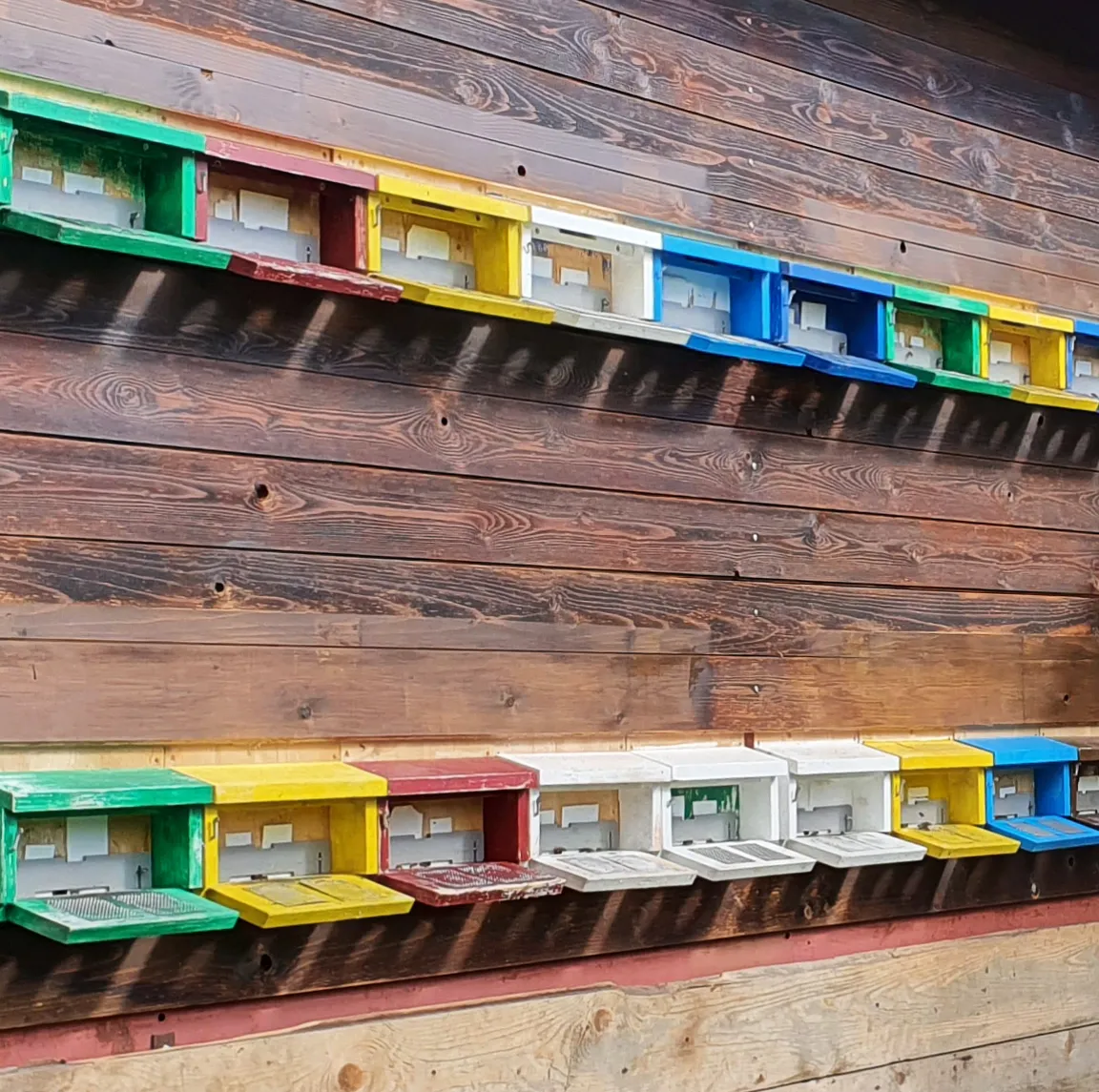
Absurdly high densities of honey bees occur at conventionally managed apiaries! In nature, 1–5 bee colonies per km² are found.
Managed honey bees increasingly compete with wild bees for nectar and pollen. Particularly concerning:
Wild-living honey bees, on the other hand, pose no threat – their population density is significantly lower, their colonies are considerably smaller and they are integrated into the ecosystem.
These are the 12 most important scientific studies on competition between honey bees and wild bees.
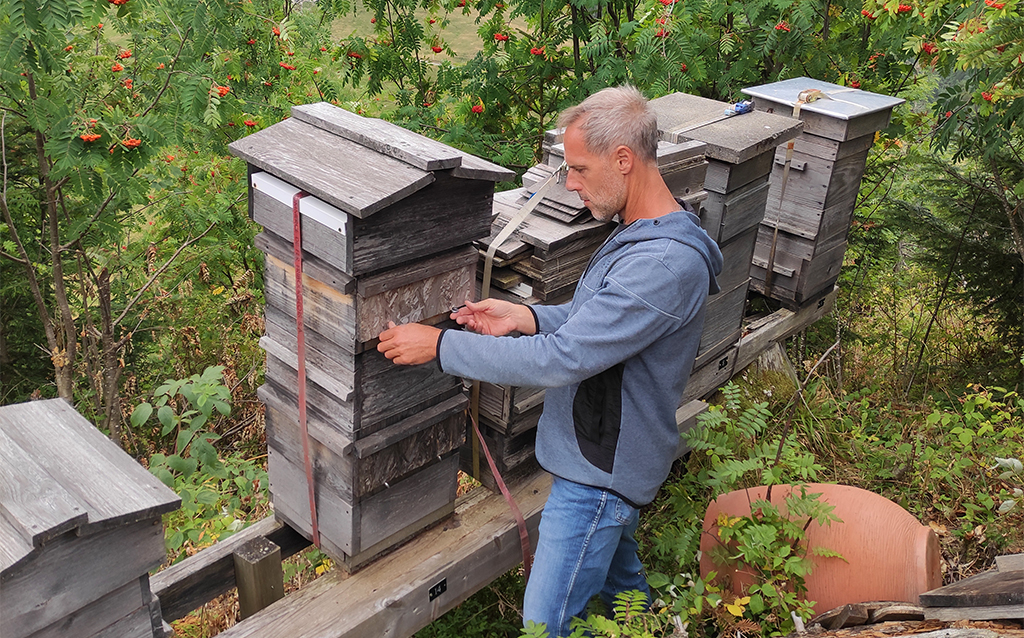
Reducing and regulating honey bee density through training in sustainable beekeeping and promoting transparency, including…
VIEW PROJECT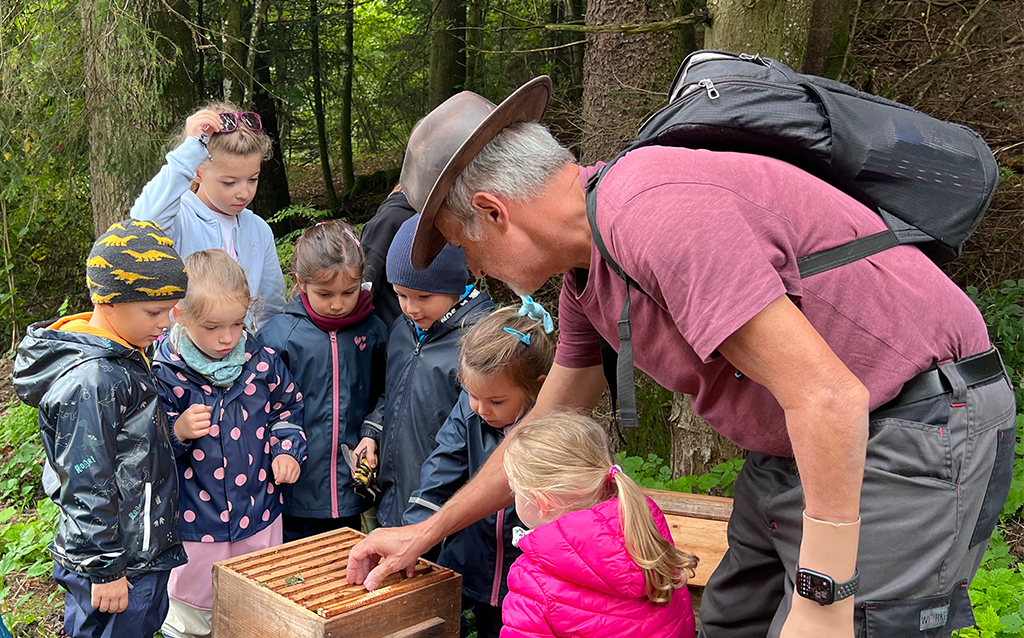
Natural habitats, a diversity of nectar and pollen through flower meadows and forest gardens, ecological…
VIEW PROJECT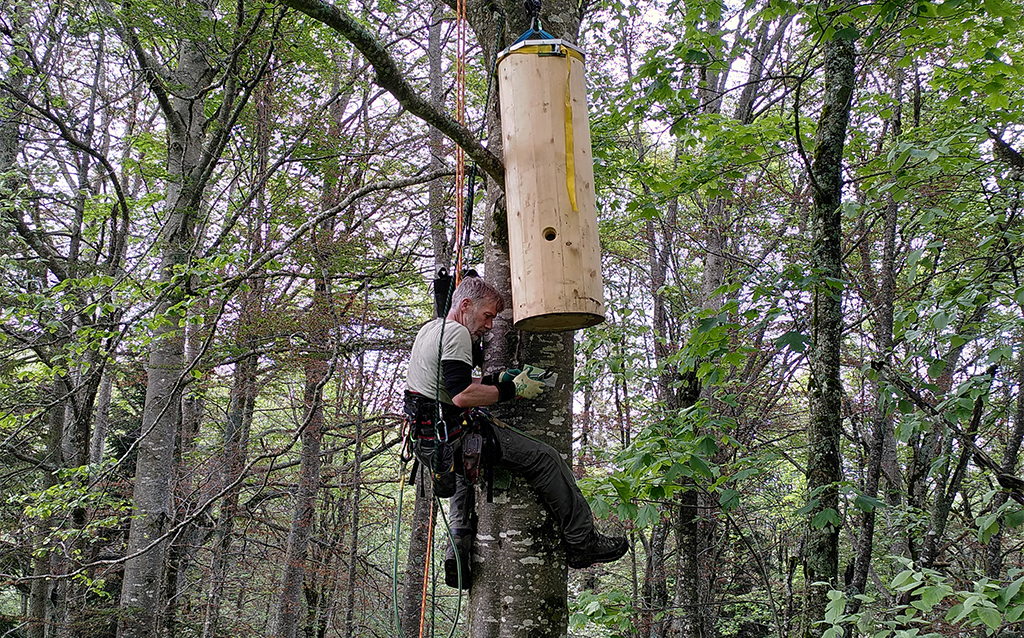
We document wild-living honey bees and create natural habitats to reintroduce them.
VIEW PROJECTUse the Bee-Finder to find out which wild bee species have been documented in your immediate area. The online tool is based on more than 100,000 verified records and uses your GPS location to show all species within a one-kilometre radius. For each species, it provides information about its ecology and recommendations for suitable pollen sources and nesting structures.
The situation for wild bees in Switzerland is critical: around 10% of the more than 600 species are already extinct, and 45% are on the Red List (FOEN 2024). Many species have specialised requirements for food and nesting sites that can no longer be met together in intensively used landscapes. FreeTheBees documents their status and responds with specific habitat projects such as the forest garden in Vaulruz.
Yes. Wild bees can recover remarkably quickly once their habitat and the availability of flowers are restored. Species previously considered extinct have already been rediscovered in Swiss biotopes of national importance. The forest garden established by FreeTheBees in Vaulruz shows that insect diversity “comes back with force” once a continuous supply of flowers and nesting structures are in place. A diversity of food sources, intact nesting resources and minimal pesticide use are essential.
The most effective way to help wild bees is to plant native flowers, leave patches of bare soil and leave stems standing over winter. More than half of all wild bee species nest in the ground, not in insect hotels. A continuous supply of flowers from March to October is essential, as many species are active for only one or two months and specialise in particular pollen sources.
Yes. An excessively high density of honey bee colonies leads to competition for food and disease transmission affecting wild bees. In intact ecosystems, only 1 to 5 colonies per km² occur naturally, whereas in Swiss cities such as Basel, colony density can reach as many as 25 per km² in some areas. This beekeeper-managed mass keeping reduces the foraging success of specialised wild bees and promotes the transmission of pathogens. FreeTheBees therefore advocates extensive beekeeping adapted to the habitat.
Yes. Biologically speaking, the honey bee is one of the more than 600 wild bee species found in Switzerland. Today, however, it is mostly kept as a farmed animal under beekeepers’ control, obscuring its nature as a wild animal. FreeTheBees works to ensure that the honey bee is once again recognised and protected as a wild animal.
More than 600 wild bee species live in Switzerland. The best known is the honey bee (Apis mellifera); there are also bumblebees, mason bees, mining bees, silk bees, pantaloon bees and many others. Around 400 of these species are solitary bees, meaning they live alone and do not form colonies.
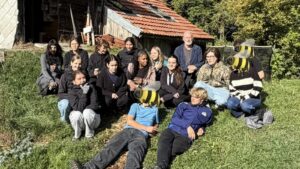
On 9 October, a class from Collège du Sud came on a school trip to our site in Vaulruz, right among the bees. The stu...
In our conference series “Bees Without Borders”, renowned bee scientist and breeder Dr. Ralph Büchler showed on 28 Oc...
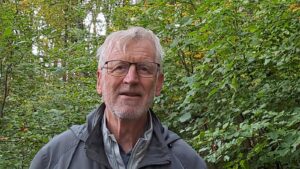
“I observe how nature works” For over 15 years, Heinz Weder has been observing free-living honey bee colonies. He has...
Important information
Important information: The original texts are published in German. The French, Italian and English versions are translated automatically and checked where possible. Please report any errors to bee@freethebees.ch.