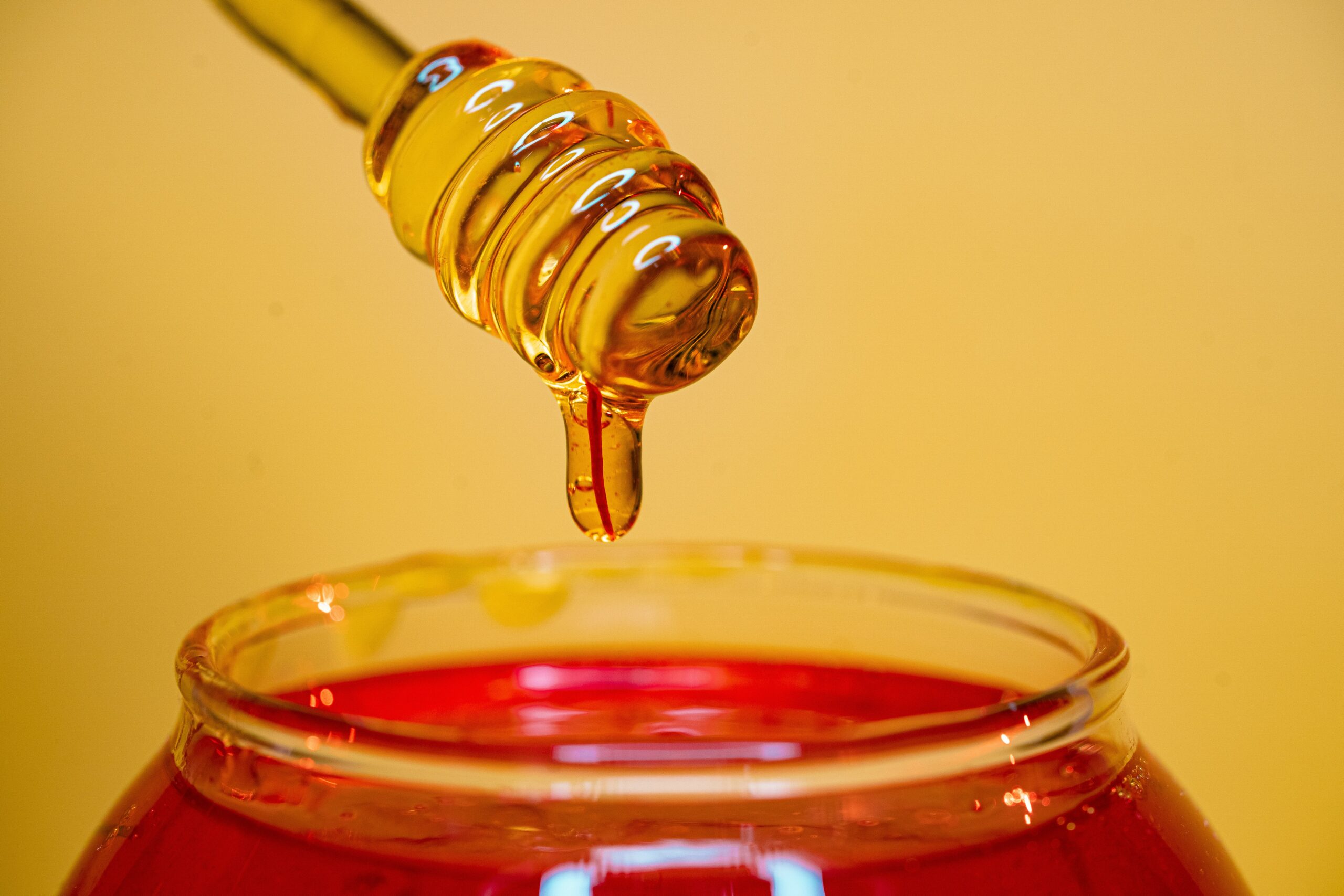
Bee products have been part of human culture for thousands of years. In the Stone Age, honey was above all one of the few natural sources of sugar available and a highly prized food. In early civilizations – such as those in Egypt and Mesopotamia – beeswax became especially important alongside honey: it was used for candles, ointments and rituals, and was an important material in crafts and medicine.
In the Middle Ages, beeswax was a strategic raw material, as high-quality candles illuminated churches, monasteries and towns. Honey remained Europe’s most important sweetener at the same time – long before sugar became widespread.
Other bee products were also valued: propolis as a natural remedy, flower pollen as a nutrient-rich food, and, later, royal jelly.
Today, bee products are once again in the spotlight – not only because of their value for nutrition and health, but also as an expression of a relationship between humans, bees and nature that spans thousands of years.
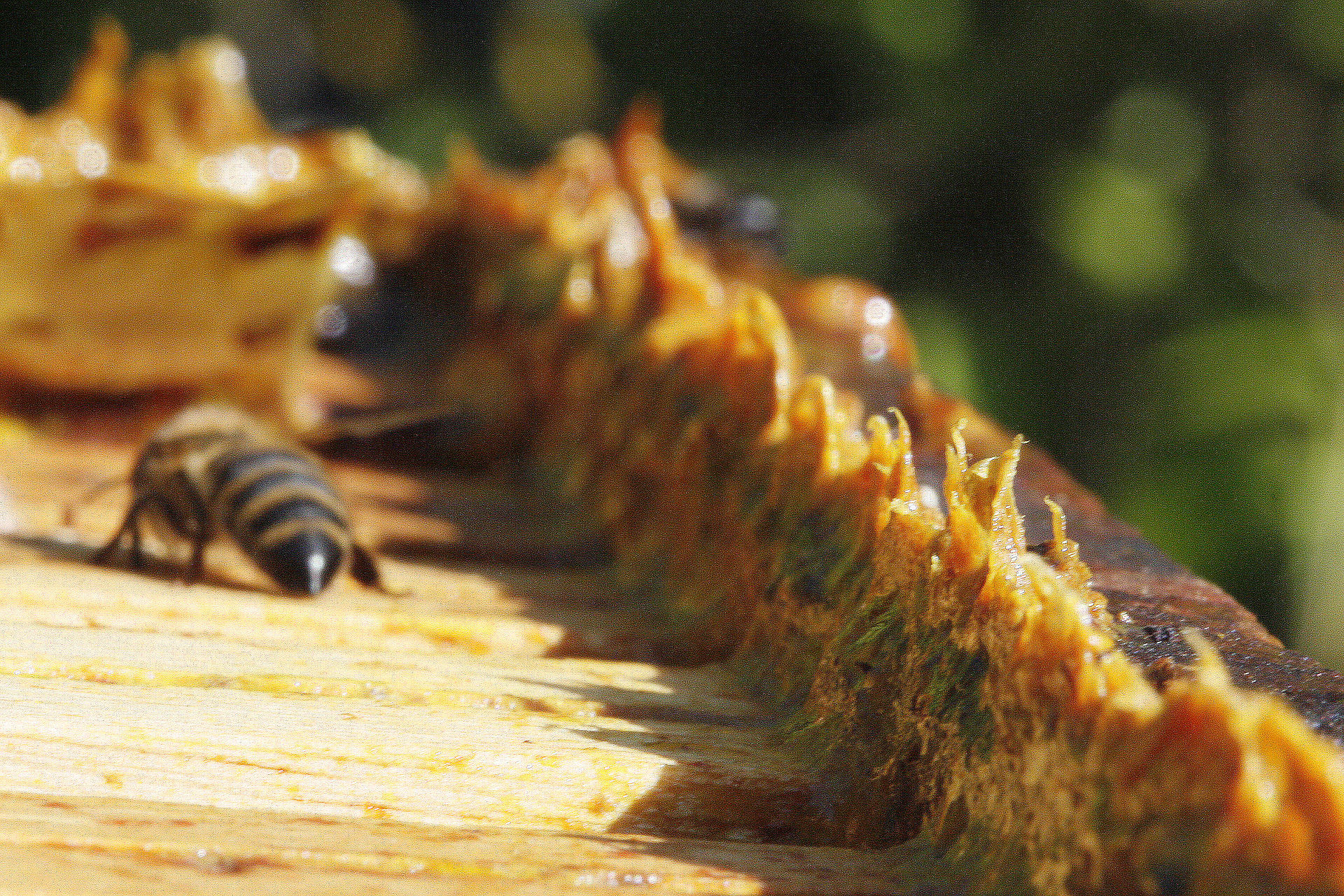
Propolis is a highly active substance and, in particular, an important remedy.
Detailed pages coming soon...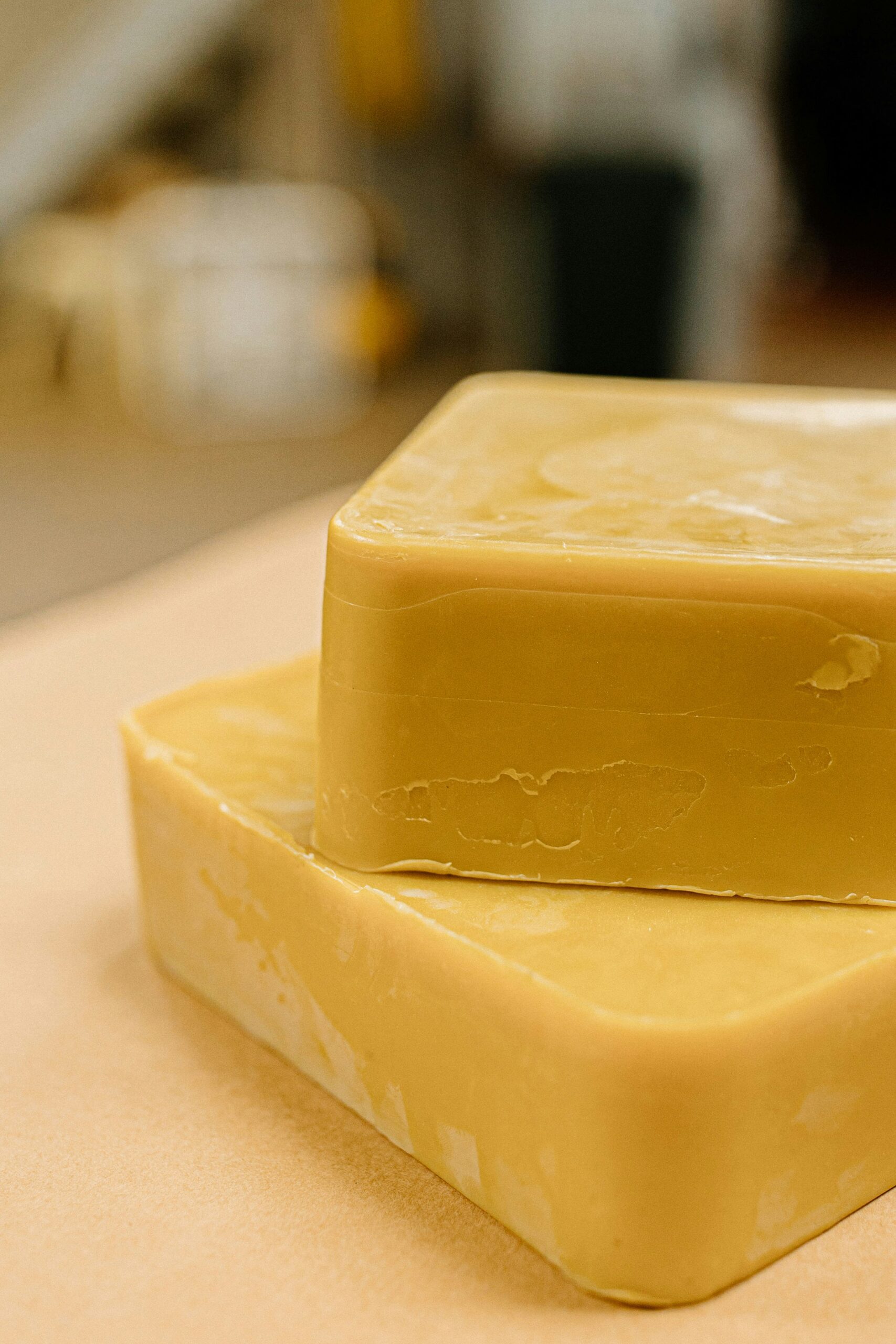
Beeswax is a remedy and a raw material for candles and wood treatment.
Detailed pages coming soon...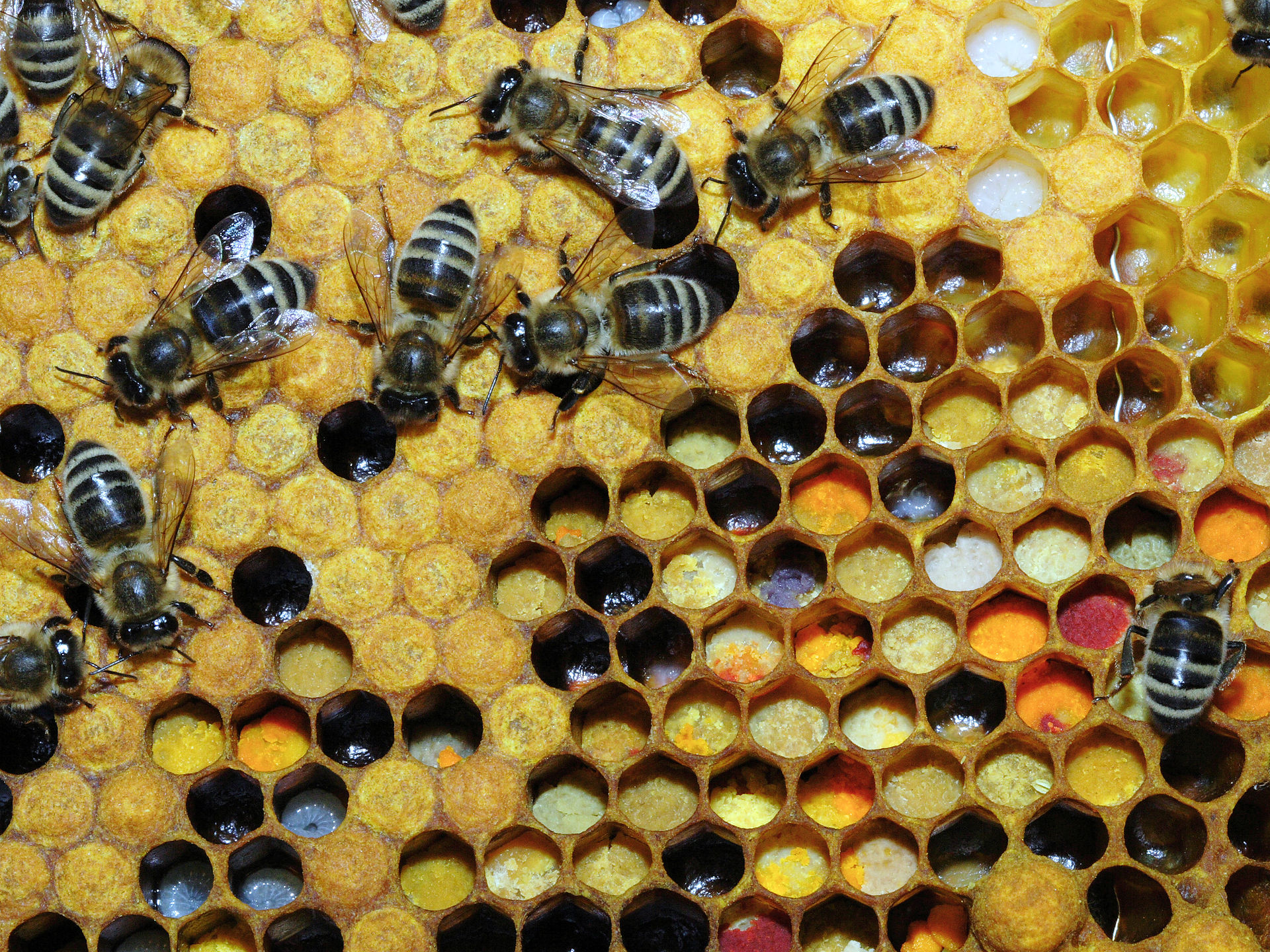
Pollen is rich in amino acids and is also a remedy.
Detailed pages coming soon...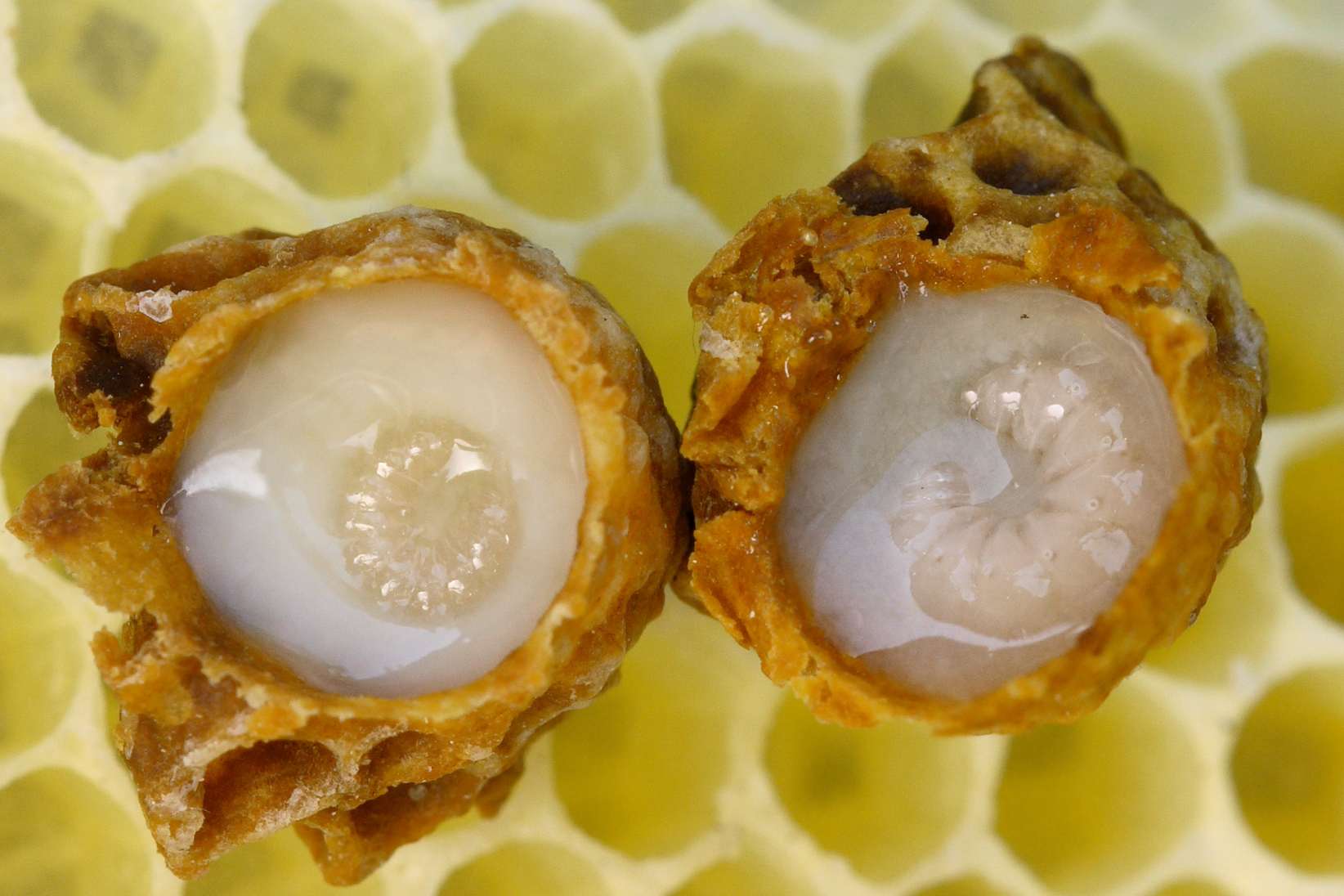
Royal jelly is highly sought after as a remedy and longevity product. Its production is…
Detailed pages coming soon...On 9 October, a class from Collège du Sud came on a school trip to our site in Vaulruz, right among the bees. The stu...
In our conference series “Bees Without Borders”, renowned bee scientist and breeder Dr. Ralph Büchler showed on 28 Oc...
“I observe how nature works” For over 15 years, Heinz Weder has been observing free-living honey bee colonies. He has...
Important information
Important information: The original texts are published in German. The French, Italian and English versions are translated automatically and checked where possible. Please report any errors to bee@freethebees.ch.