Bee mortality is viewed in a distorted way by the public. Solutions based on causes require a clear understanding of the issue—specifically, of the visible symptoms and the underlying causes.
The honeybee is not disappearing—it is being kept more intensively than ever before. What is disappearing are wild populations and many other bee species. Originally, there were more than 600 native bee species in Switzerland.
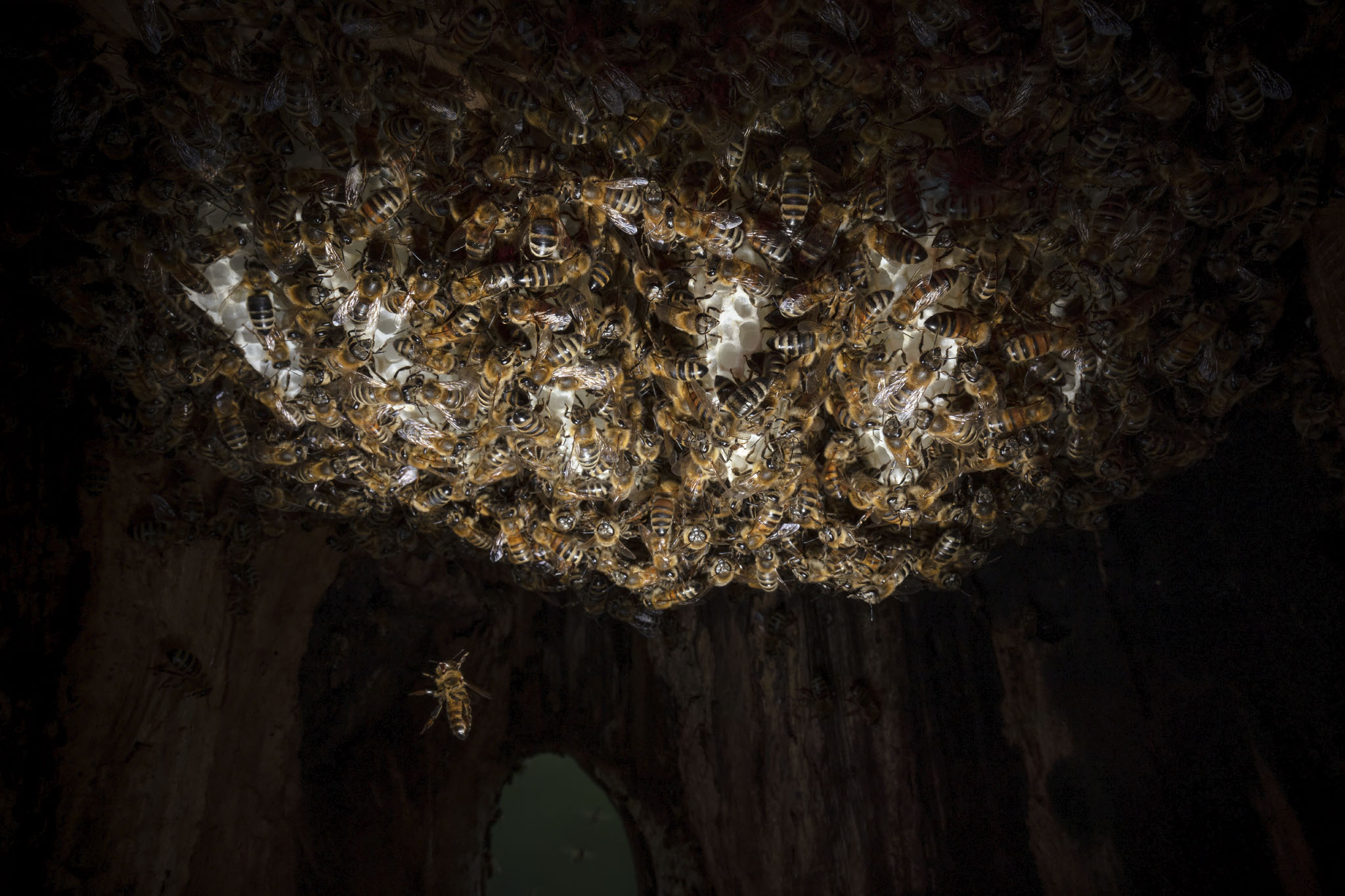
99% extinct in the wild ¦¦ 20% winter losses in beekeeping (10% winter losses would be normal) ¦¦ 50% peak winter losses in 2011/12 ¦¦ Native original breed (adapted bee) displaced ¦¦ Imported breeds introduced (more economically attractive bee)
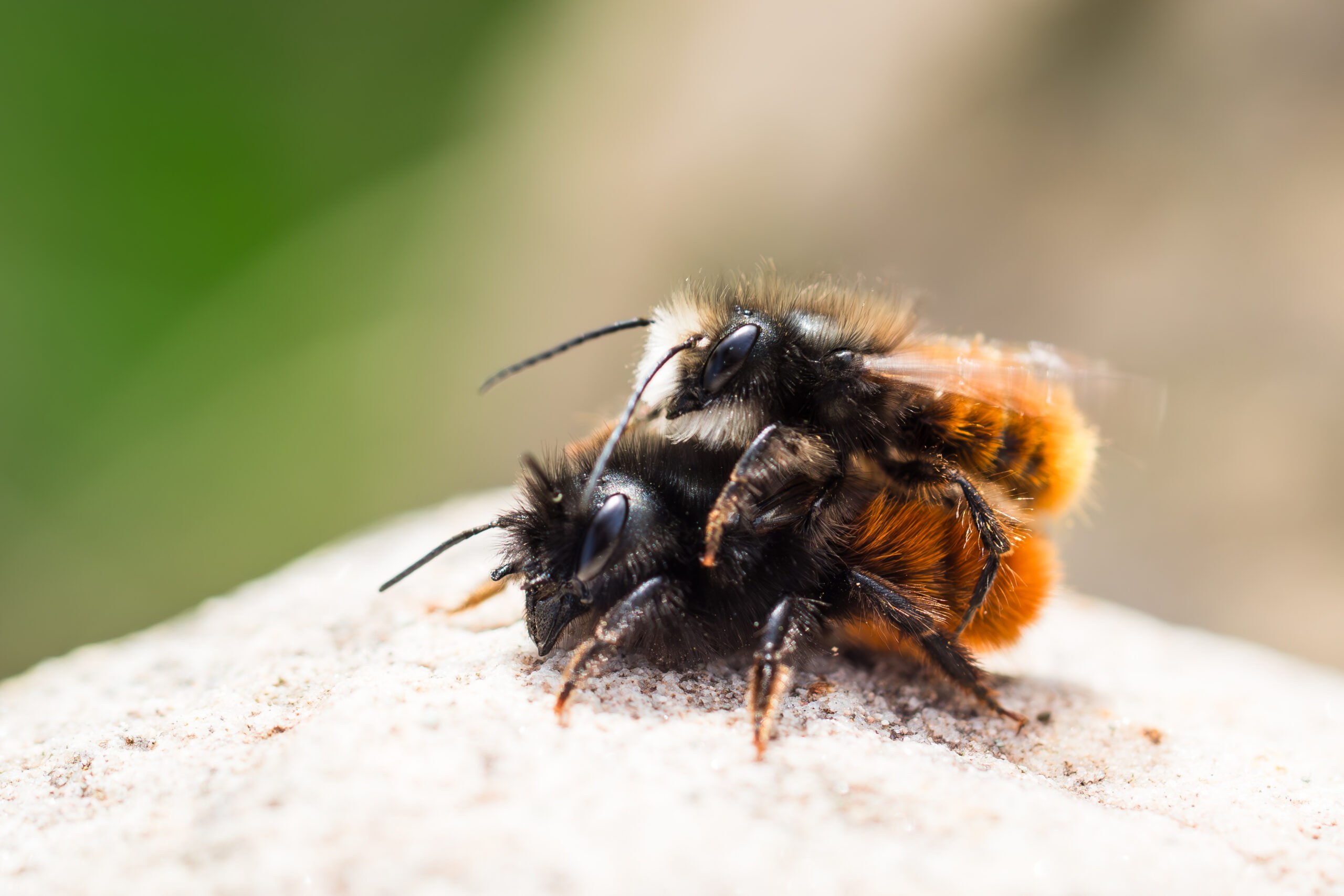
10% (more than 60 species) extinct ¦¦ 45% (approx. 300 species) endangered (Felix Amiet, 1994) ¦¦ New data collection is not comparable due to a different measurement method, but shows similar figures
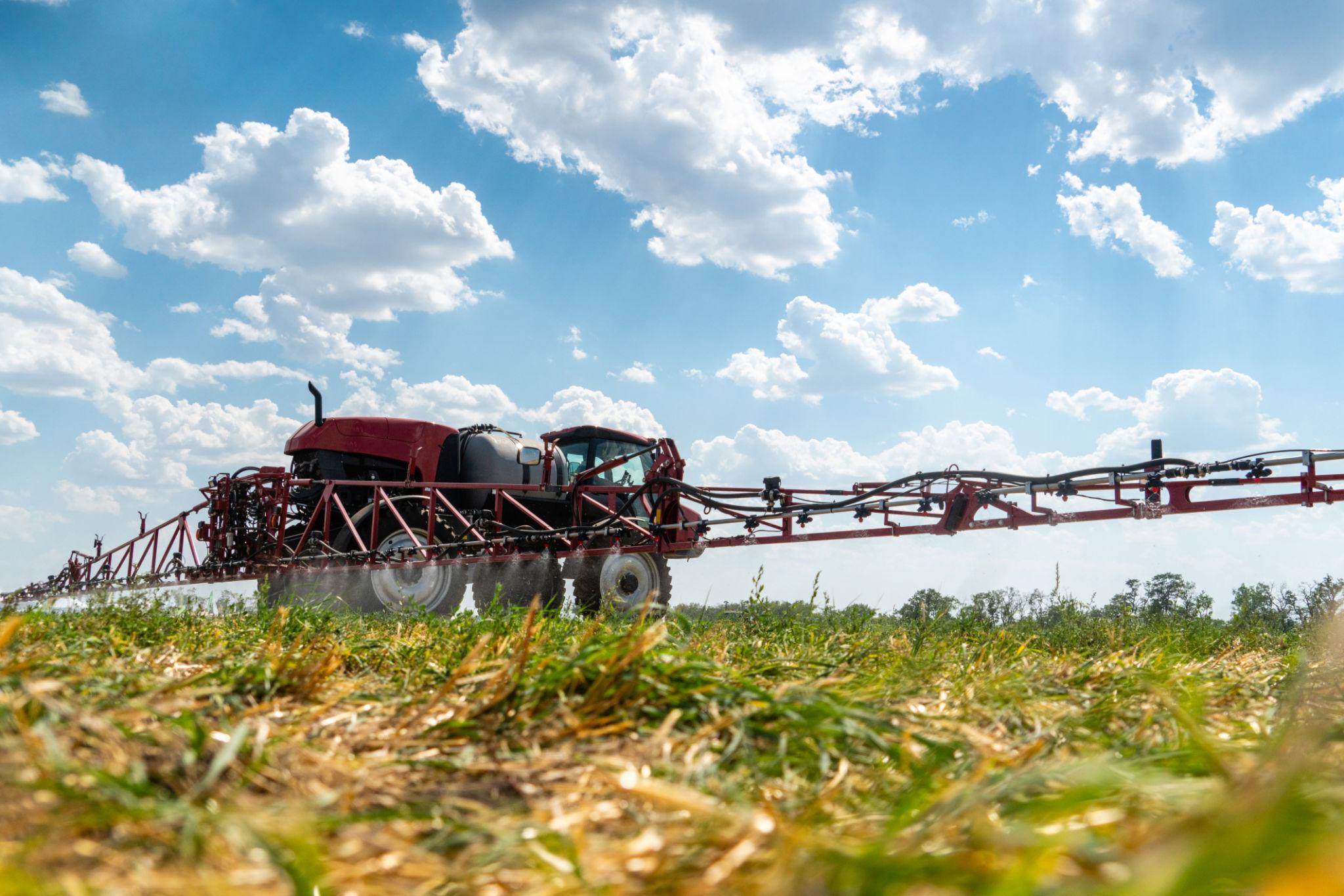
Environmental toxins of all kinds, especially pesticides, harm bees directly and over the long term. Agricultural monocultures (e.g. rapeseed) lead to periods of hunger and malnutrition.

In Switzerland, 1 m² of land is built over with concrete every second. Green spaces are diminishing (unlike forest area).

Diseases and parasites can spread across the entire globe within just a few hours. Species exposed to nature have to adapt more quickly than in the past.
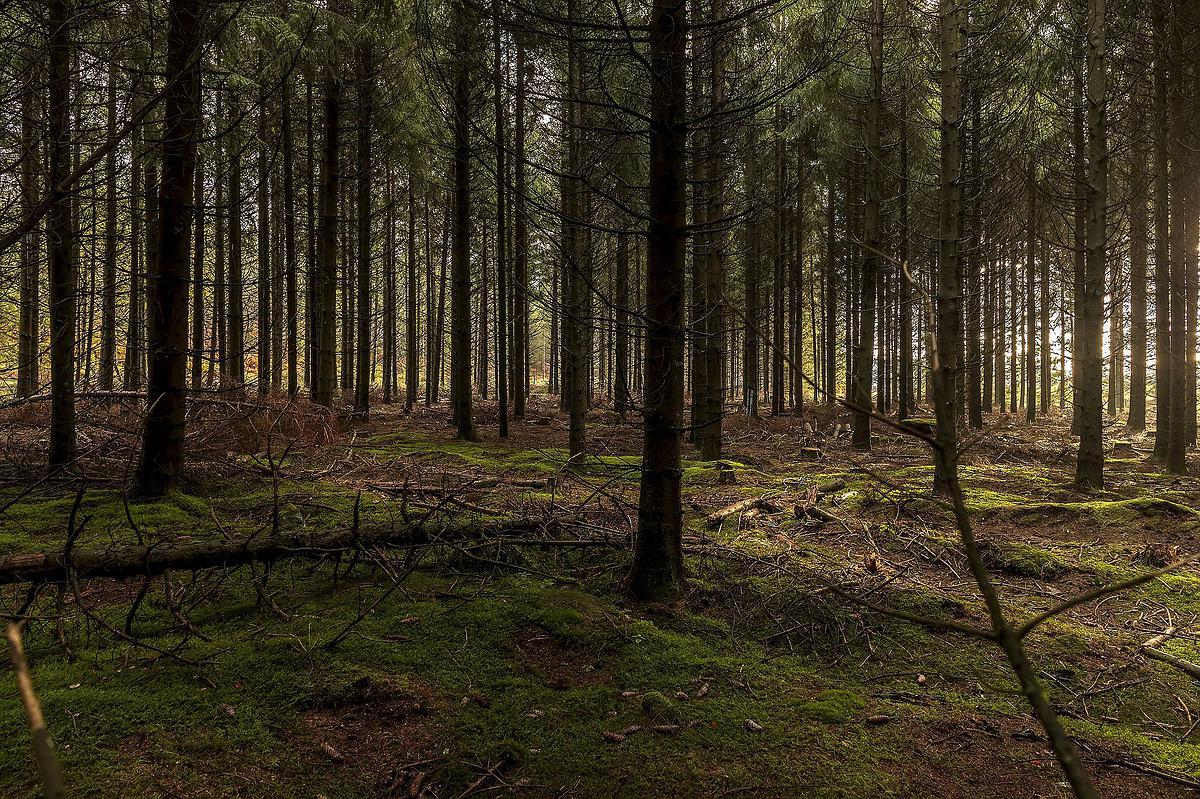
Our forests are heavily managed with forestry objectives in mind: young stands of trees and a lack of species diversity.
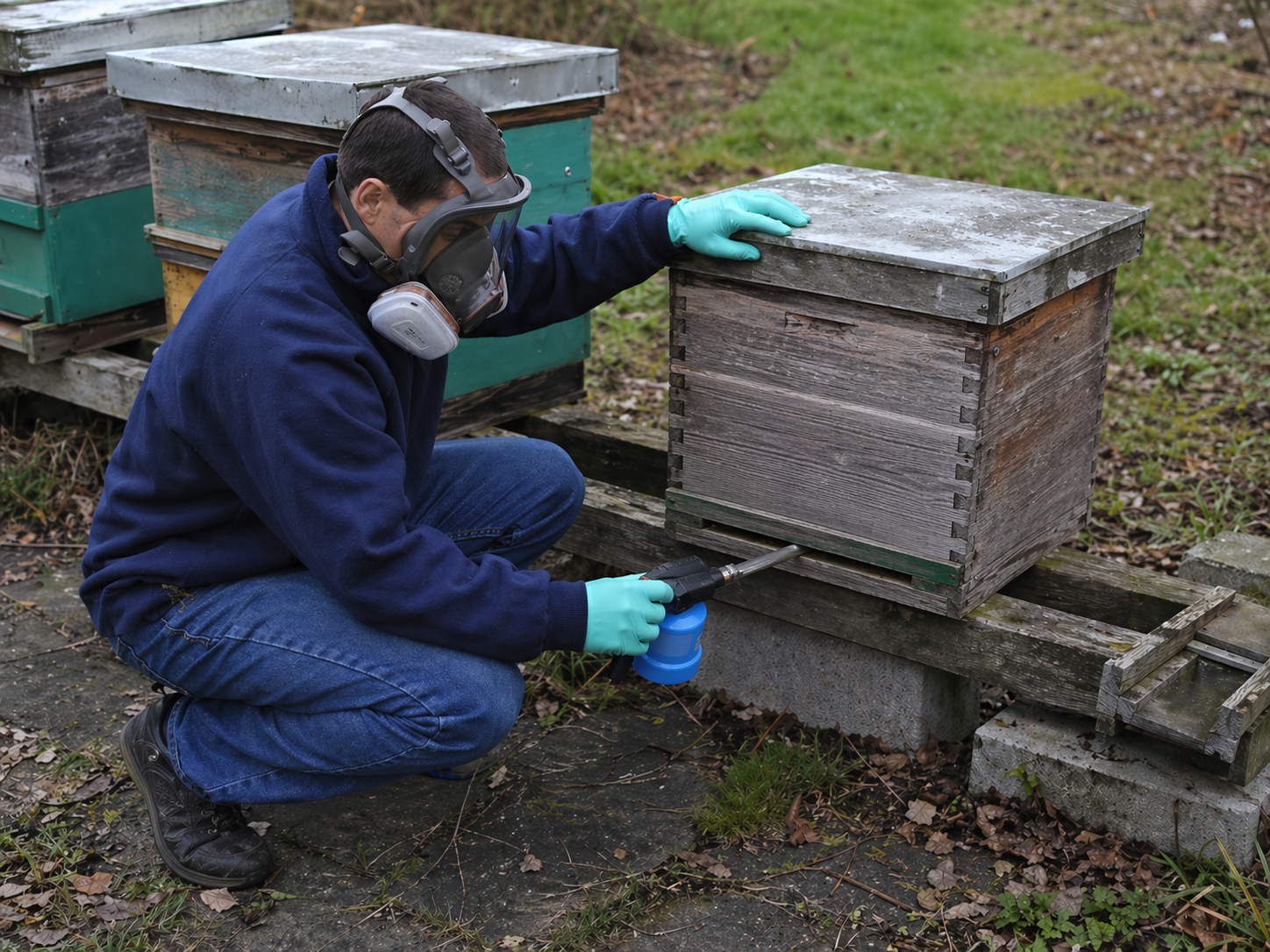
Beekeepers use honeybees to produce honey. In doing so, they apply yield-increasing interventions that are all comparable to intensive livestock farming.
Never before have as many honeybees been recorded in the Swiss countryside as are kept in beekeeping today—and yet we speak of bee mortality.
The key points at a glance:
Paradoxical?
Paradoxically, intensive honey production in Switzerland, which is subject to economic criteria, is carried out almost exclusively as a “hobby”. From both an economic and an ecological perspective, pollination would be far more important than honey production. And beekeepers could provide pollination in a much more nature-friendly way than they produce honey!
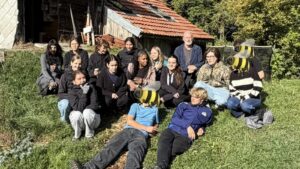
On 9 October, a class from Collège du Sud came on a school trip to our site in Vaulruz, right among the bees. The stu...
In our conference series “Bees Without Borders”, renowned bee scientist and breeder Dr. Ralph Büchler showed on 28 Oc...
“I observe how nature works” For over 15 years, Heinz Weder has been observing free-living honey bee colonies. He has...
Important information
Important information: The original texts are published in German. The French, Italian and English versions are translated automatically and checked where possible. Please report any errors to bee@freethebees.ch.