Many companies want to do good through bee projects. But not every bee project actually protects biodiversity.
More and more companies are supporting bees, biodiversity and environmental education through ESG, CSR and sustainability programmes. Corporate beehives on rooftops and high-profile honey bee projects are particularly popular.
The commitment behind these initiatives is important and valuable. At the same time, research increasingly shows that intensive honey bee husbandry can also have undesirable ecological side effects locally – especially where threatened wild bee species already face high levels of competition.
Many corporate bee projects today focus primarily on honey production and conventional beekeeping. From an ecological perspective, they are therefore usually closer to livestock farming than to a holistic approach to biodiversity conservation. Yet a few smart adjustments could significantly enhance their ecological value and make them more credible.
For example:
This creates sustainability projects with real impact – scientifically grounded, credible and aligned with ESG, CSR and SDG reporting.
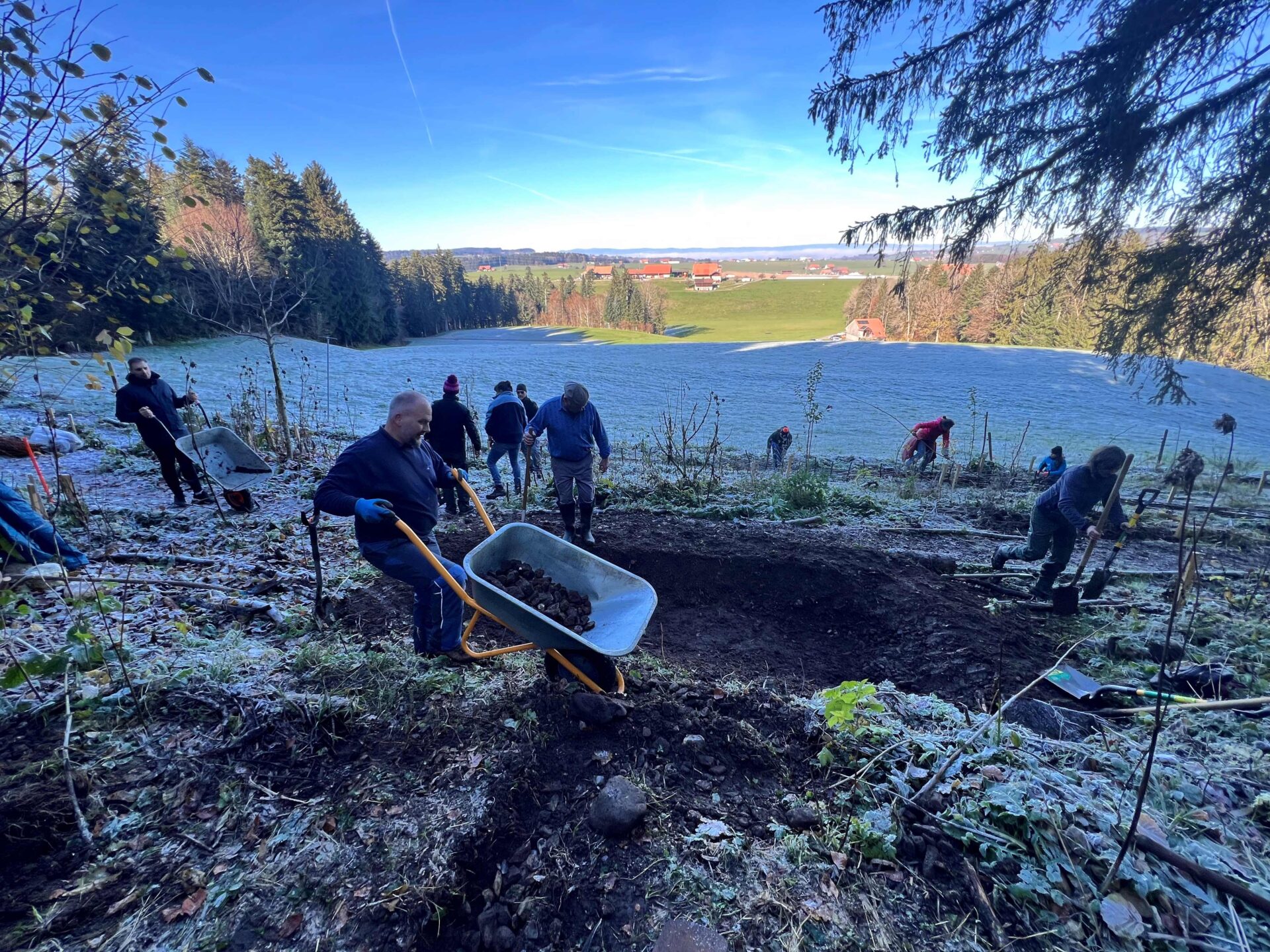
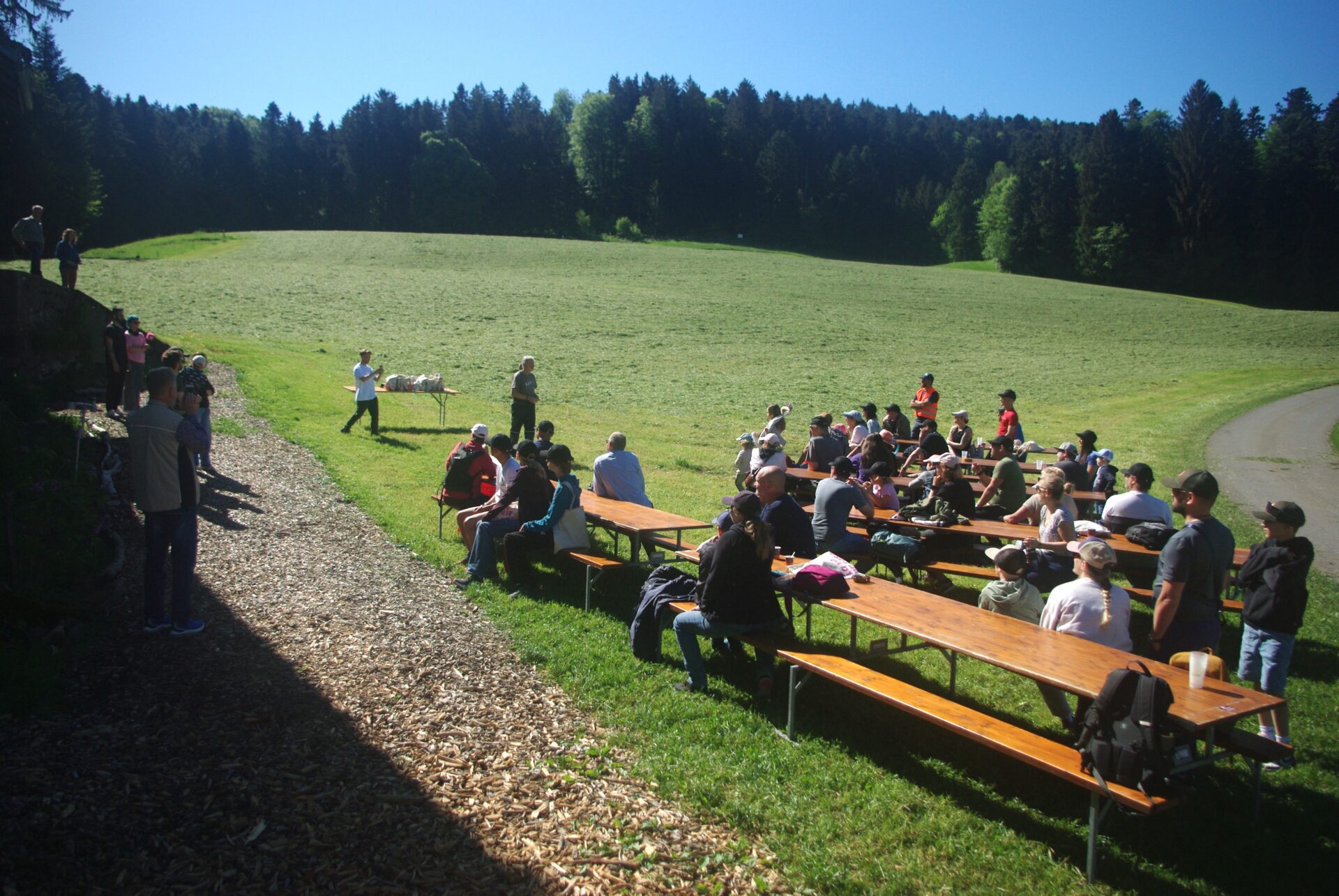
Corporate volunteering in practice: UBS employees create habitat for wild-living honey bees.
How can companies credibly embed biodiversity conservation in their ESG strategy? FreeTheBees in an expert discussion with greenkeeper.
Sustainability is evolving rapidly. Alongside climate issues, biodiversity is now a particular focus for:
Transparency and sustainability reporting requirements are also increasing continuously in Switzerland. Companies are therefore looking for credible partners with:
FreeTheBees sees the honey bee not only as livestock, but also as a wild-living keystone species in our ecosystem. Our focus is on:
This clearly distinguishes FreeTheBees from conventional “corporate beehive” offerings, which are increasingly the subject of critical discussion due to possible competition with wild bees.
Environmental (E)
Companies support the following with FreeTheBees:
Social (S)
A partnership also strengthens:
Governance (G)
FreeTheBees stands for:
This significantly reduces the risk of superficial ESG measures or greenwashing.
With FreeTheBees, companies specifically support:
SDG 15 – Life on Land
Conservation of biodiversity and natural habitats.
SDG 13 – Climate Action
Promotion of resilient, nature-oriented ecosystems.
SDG 4 – Quality Education
Support for knowledge-sharing and environmental education.
SDG 17 – Partnerships
Collaboration between business, science and civil society.
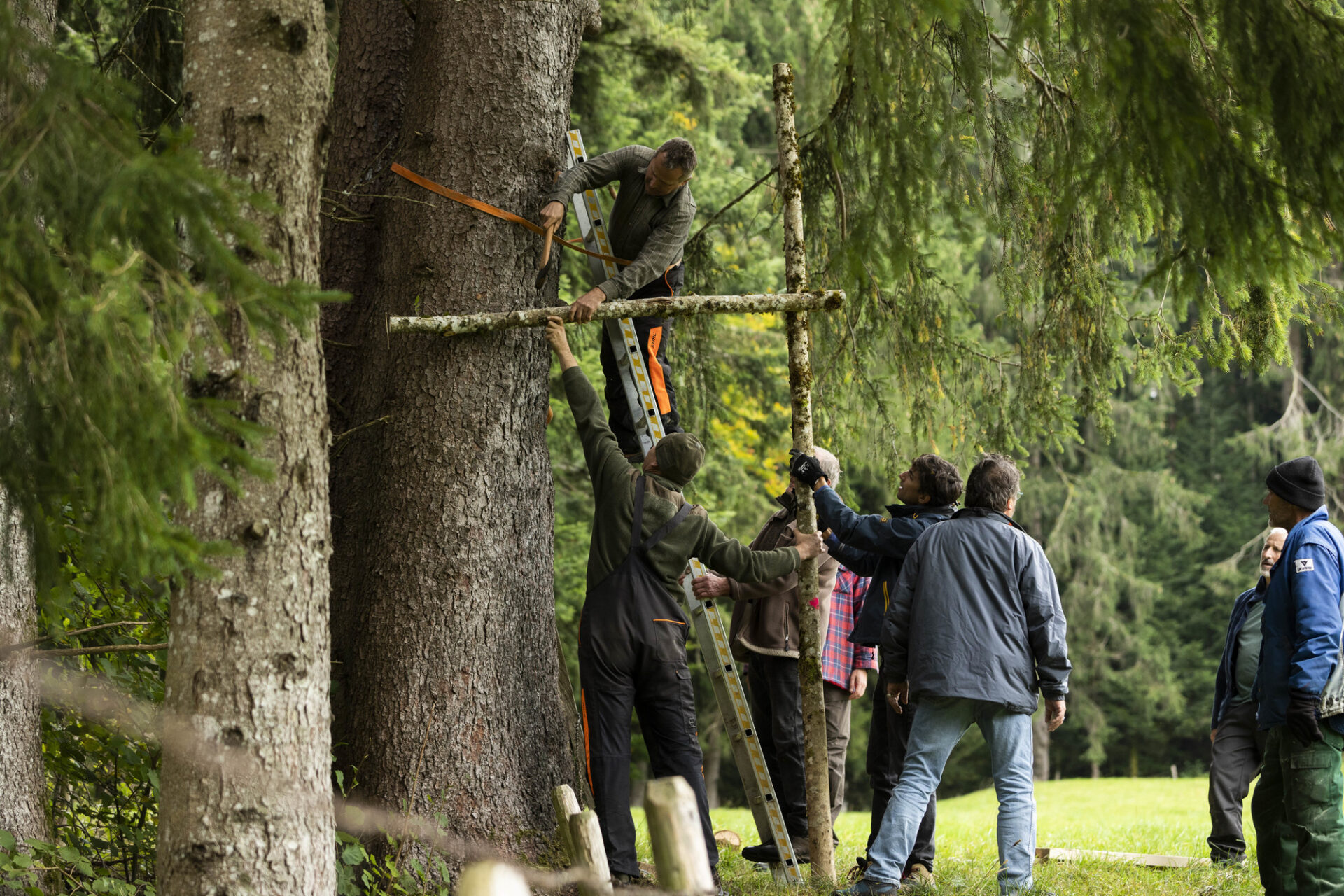
Support for specific nature and habitat projects.
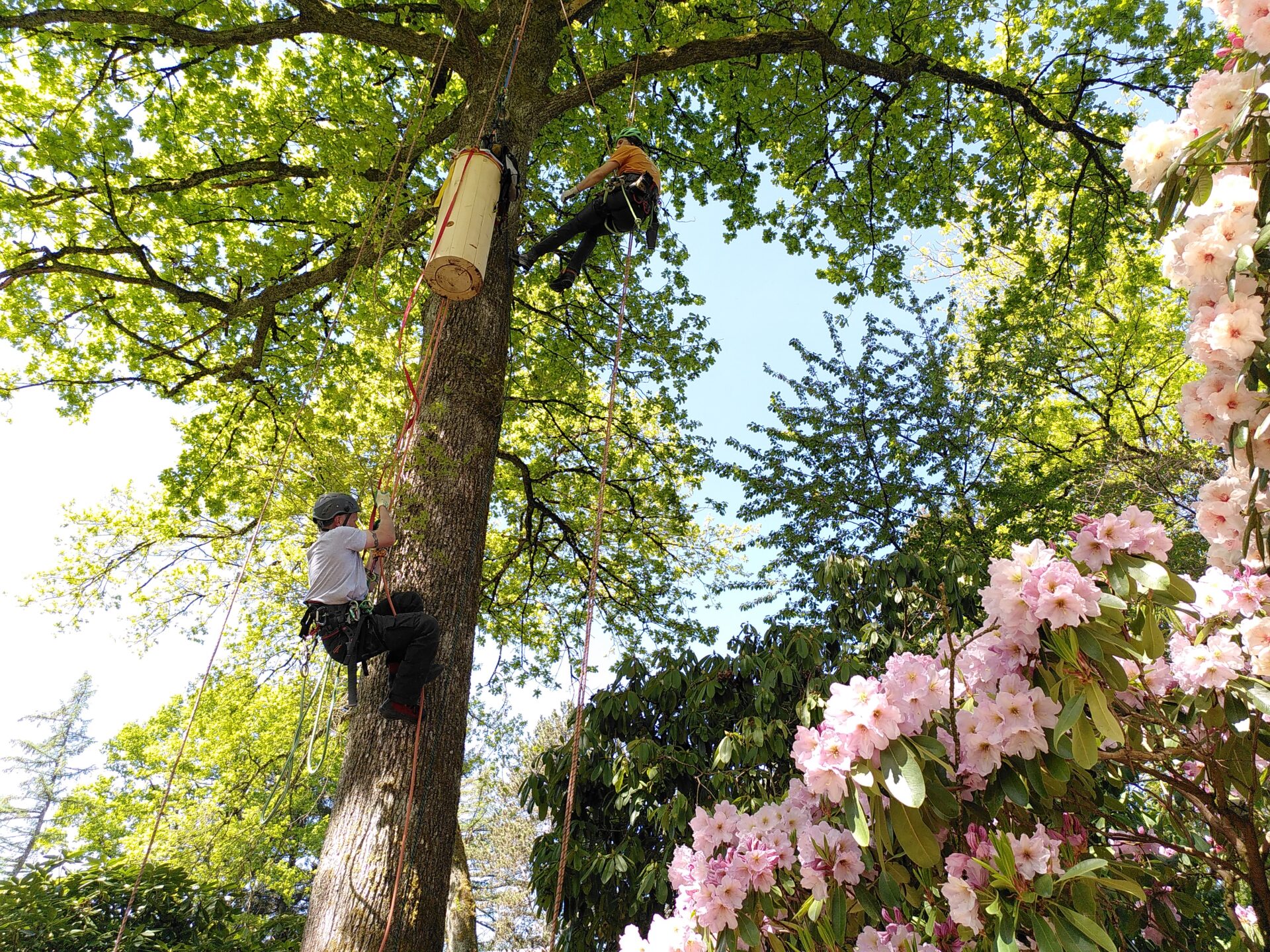
Promoting natural habitats for numerous animal species.
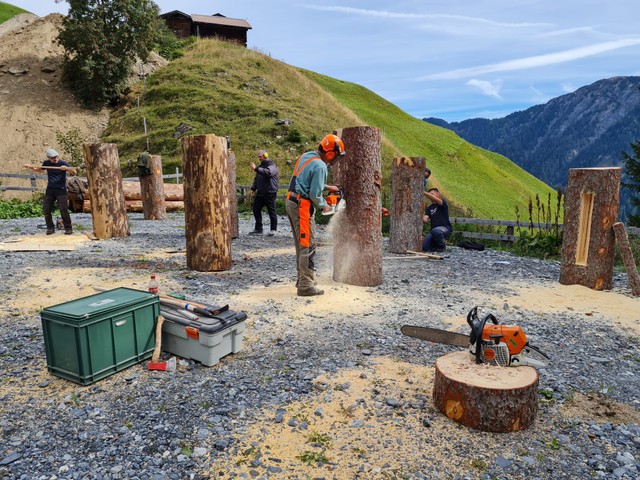
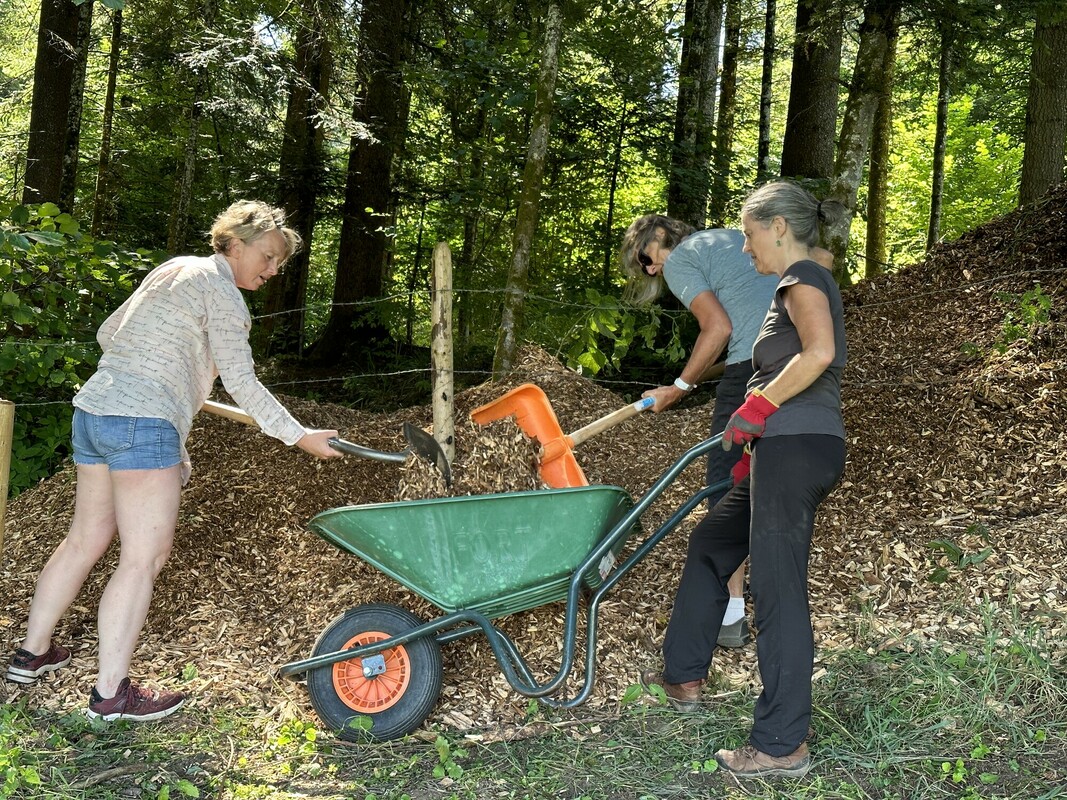
Involve employees in environmental and citizen science projects. Help maintain our bee discovery trail.
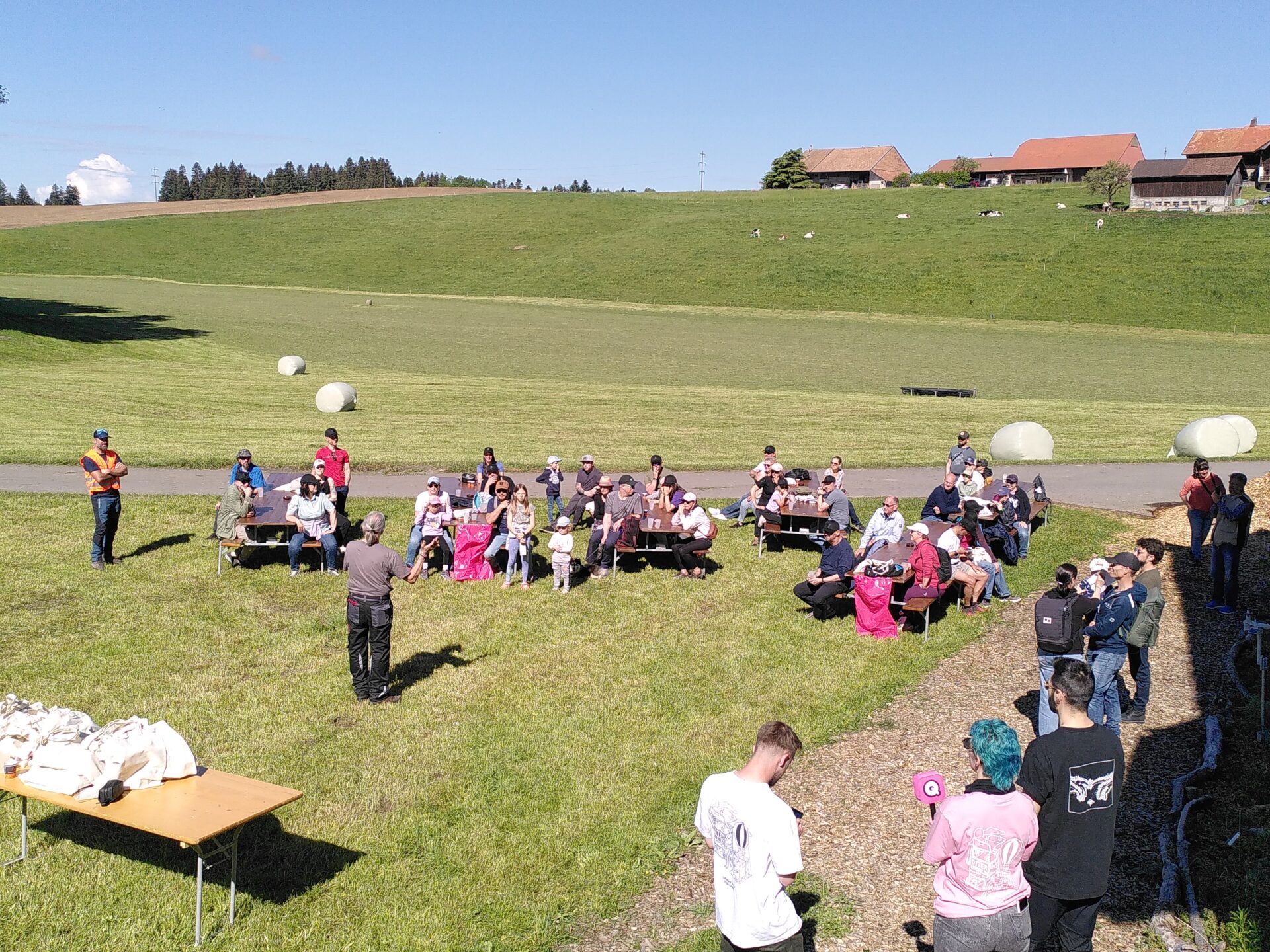
Presentations, workshops or ESG programmes for companies.
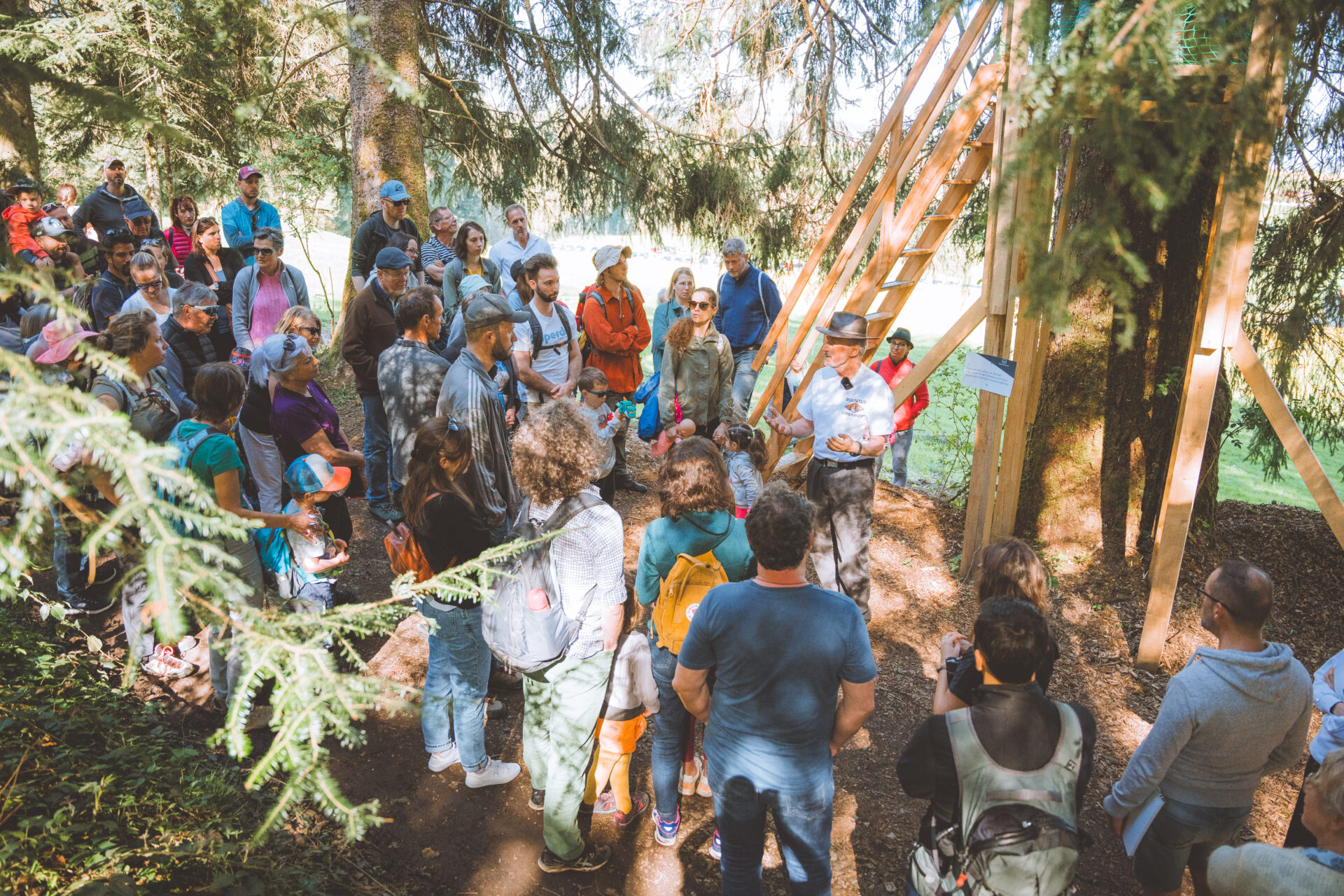
Integrating the partnership into ESG reports, CSR reports, employer branding and internal sustainability programmes
✔ Scientifically grounded
✔ Politically independent
✔ Rooted in the region
✔ Credible biodiversity conservation
✔ No interests in honey or production
✔ Visible ESG impact
✔ Meaningful employee engagement
✔ Substantive sustainability communications
That depends on the location and the beekeeping method. In areas with high bee density, an additional honey bee colony can increase competition for food for threatened wild pollinators. Bee projects are therefore not inherently wrong, but they need to be designed thoughtfully, both ecologically and in terms of the conditions in which the bees are kept: with reduced bee densities, more species-appropriate husbandry and complementary measures for wild bees and habitats. This is precisely the starting point for a partnership with FreeTheBees.
Three questions can help you assess this:
Is the project primarily designed around the beekeeper’s convenience or the bees’ actual needs? What beekeeping approach does it use: intensive or extensive honey beekeeping, nature-oriented beekeeping, or the promotion of wild-living bee colonies? And has it been assessed locally whether an excessive density of honey bees competes with existing wild bee species?
FreeTheBees assesses existing bee projects and shows how targeted adjustments can help them achieve a demonstrable ecological impact.
Honey production is not FreeTheBees’ primary focus. Our goal is more sustainable, responsible and species-appropriate beekeeping. The priority is first to provide pollination services in a nature-oriented way, as these are more valuable ecologically and economically. Sustainable honey production comes second. Our independence from beekeeping interests makes the partnership more robust from an ESG perspective: politically independent, scientifically grounded and free from conflicts of interest. We do not want to replace your existing project or call your trusted beekeeper into question. But we would be happy to advise you, train your beekeeper and show how minor adjustments can significantly increase the project’s impact.
Depending on the collaboration, the following can be documented: number of tree cavities created, habitat area in square metres, number of citizen science participants, volunteer hours contributed, reach of environmental education activities and number of research projects supported. These figures can be used directly in ESG and sustainability reports.
SDG 15 (Life on Land), SDG 13 (Climate Action), SDG 4 (Quality Education) and SDG 17 (Partnerships). This alignment can be incorporated directly into sustainability reports and ESG reporting.
Yes. FreeTheBees offers corporate volunteering activities, for example, helping to maintain the bee discovery trail in Vaulruz (Canton of Fribourg) or contributing to specific habitat projects in the forest. This combines employee engagement with measurable environmental impact and is well suited to internal sustainability communications.
FreeTheBees can help prepare information about the partnership for ESG reports, CSR reports and employer branding activities. Specific project figures, images and relevant background information are available.
Important information
Important information: The original texts are published in German. The French, Italian and English versions are translated automatically and checked where possible. Please report any errors to bee@freethebees.ch.