
The honey bee is at a turning point. Almost vanished from nature, it is treated like livestock in conventional beekeeping: intensive livestock farming, the use of medication and artificial breeding. Its ability to adapt to environmental changes is severely restricted—with serious consequences for biodiversity, agriculture and food security.
FreeTheBees addresses this very issue: our awareness-raising project is at the heart of our work—because only through awareness and knowledge can we bring about lasting change.
The honey bee (Apis mellifera) is both a wild animal and livestock in Switzerland. While it is often kept at high densities in beekeeping, wild honey bee colonies have become rare and have so far received little systematic consideration.
Honey bees play a central role in pollinating cultivated and wild plants. They are therefore of great importance not only to agriculture, but also to functioning ecosystems and biodiversity.
At the same time, certain modern beekeeping practices—such as intensive breeding, feeding or repeated interventions in colony development—influence natural selection processes and, in the long term, the adaptability of bee populations.
FreeTheBees focuses on knowledge, transparency and awareness-raising. The aim is to provide scientifically sound information for beekeepers, forestry professionals, nature enthusiasts and decision-makers, thereby promoting more responsible practices in the handling of honey bees.
The project combines educational programmes, specialist communications and international knowledge-sharing, reaching both professionals and the wider public.
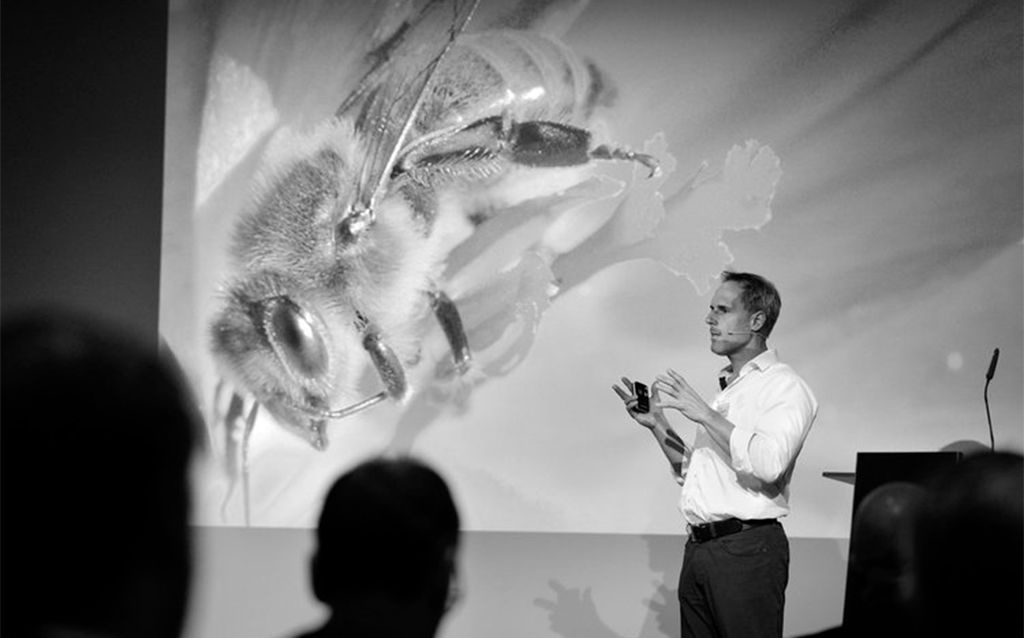
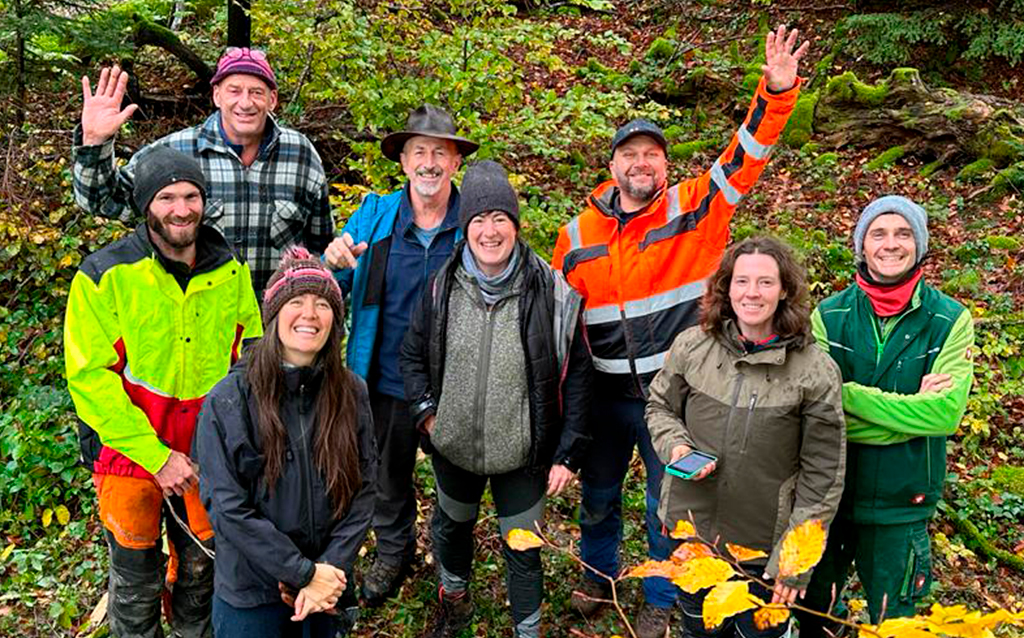
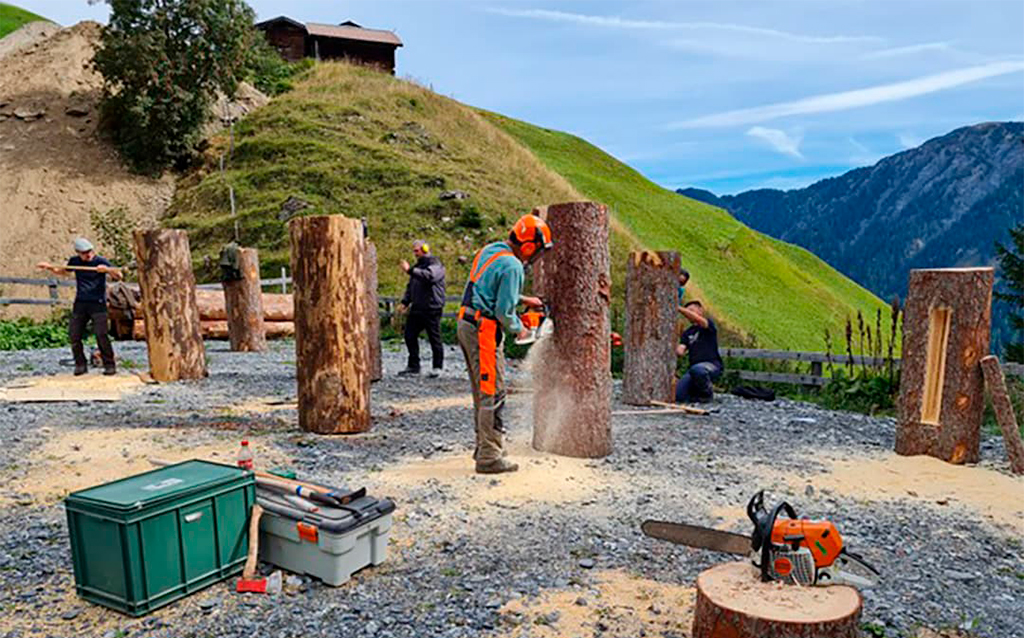
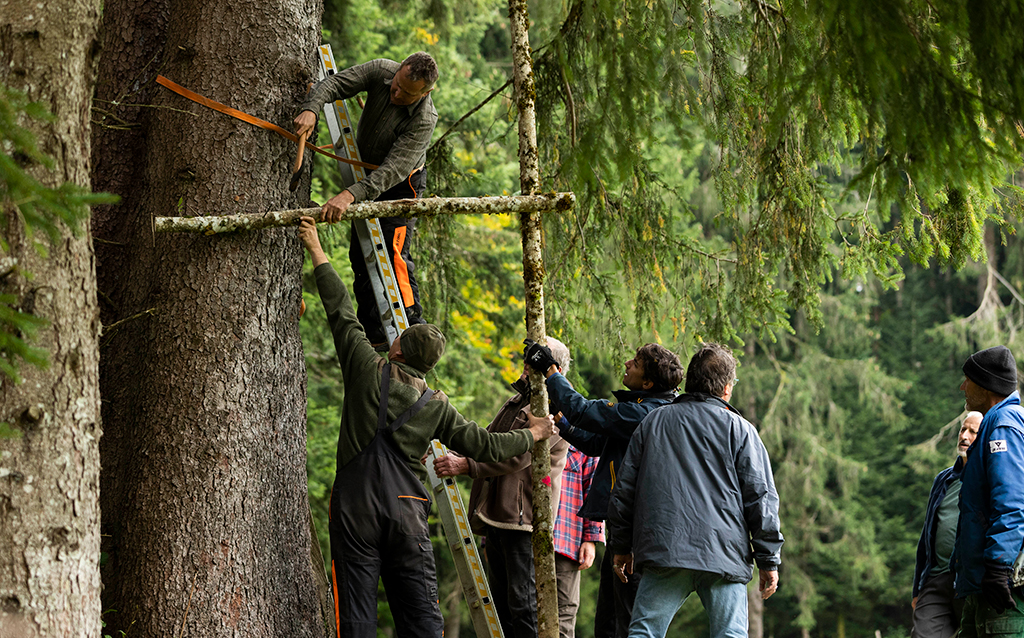
On the forest beekeeping course, participants learn how to make a cavity in a living trunk.
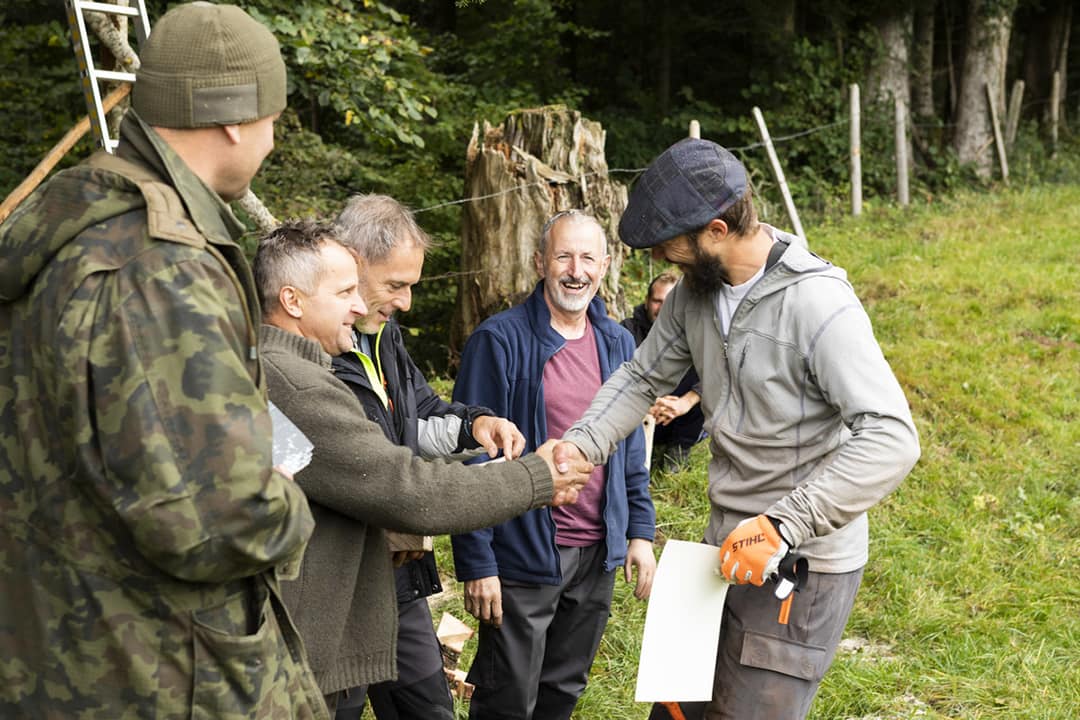
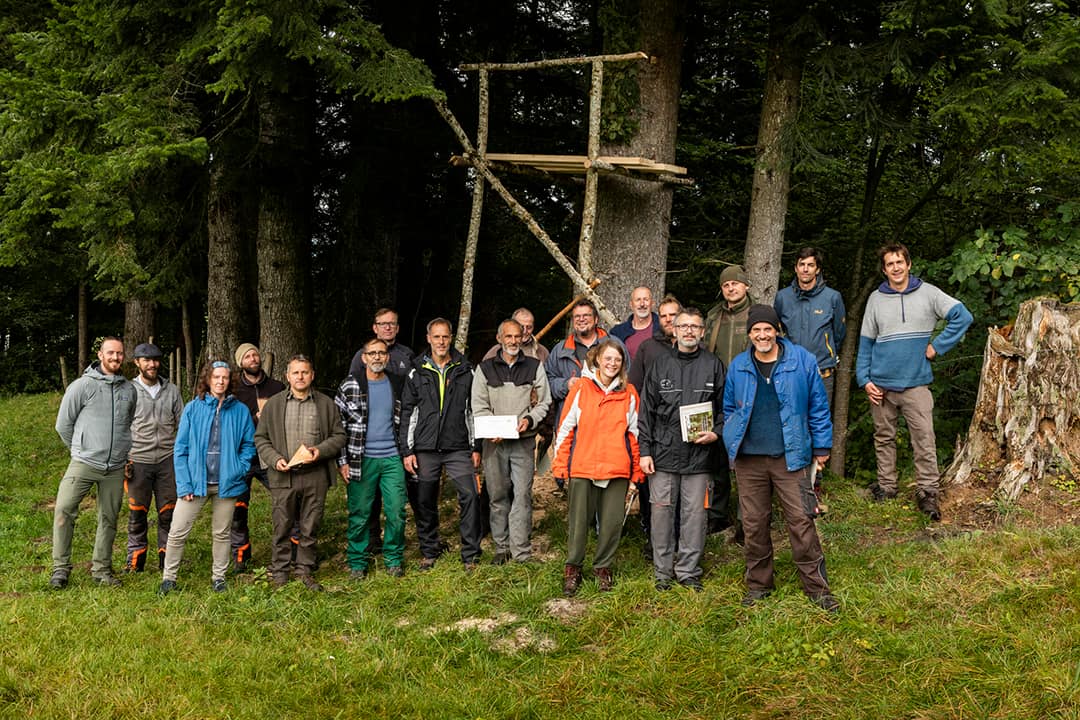
Our approach is having an impact: new beekeepers are starting out with a more responsible approach; increasing numbers of beekeepers are making the switch. Foundations, individuals and companies support our vision. But to make a difference across the board, we need your help.
The funding required for the project in 2026 is CHF 153’215.–
Support our awareness-raising project with a donation, a project sponsorship or as part of your Corporate Social Responsibility. Together, we can make possible a future in which bees do not just survive, but thrive once again.

Scan the QR code to donate via TWINT.
Or donate on our donation page.
Important information
Important information: The original texts are published in German. The French, Italian and English versions are translated automatically and checked where possible. Please report any errors to bee@freethebees.ch.