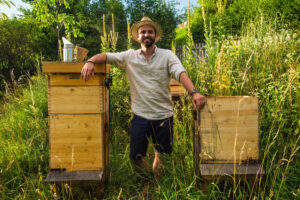
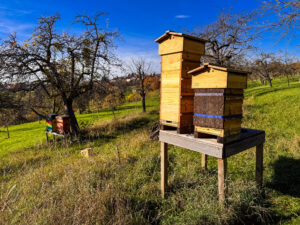
Text and photos by Ante Hamersmit
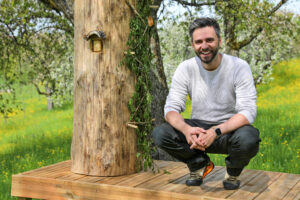
With the first rays of sunshine of the year, not only do the early-blooming plants, the males of the horned mason bees and the bumblebees awaken, but so do a beekeeper’s anticipations. Many speak of looking forward to the season, but every year a little scepticism also mixes into my feelings:
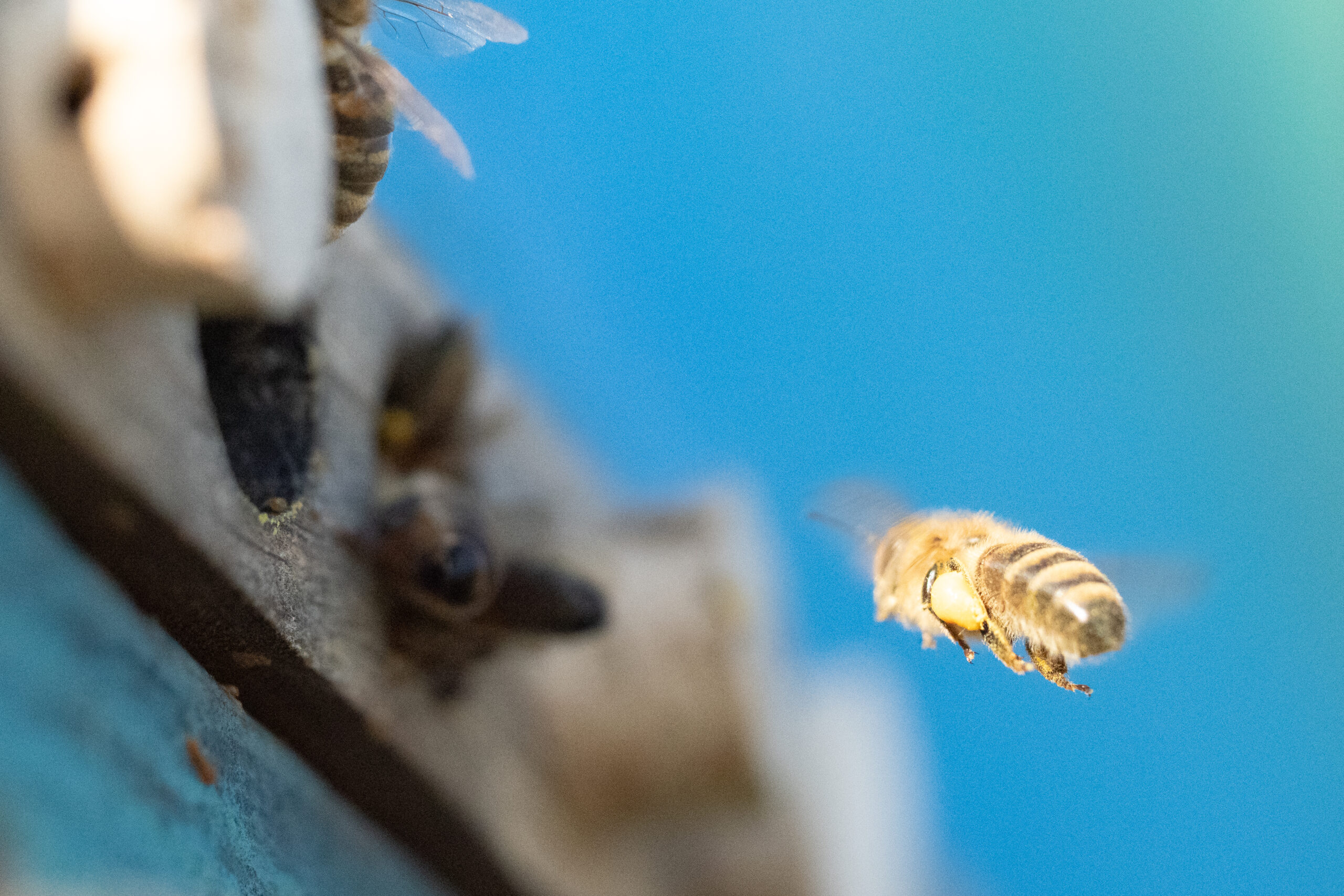
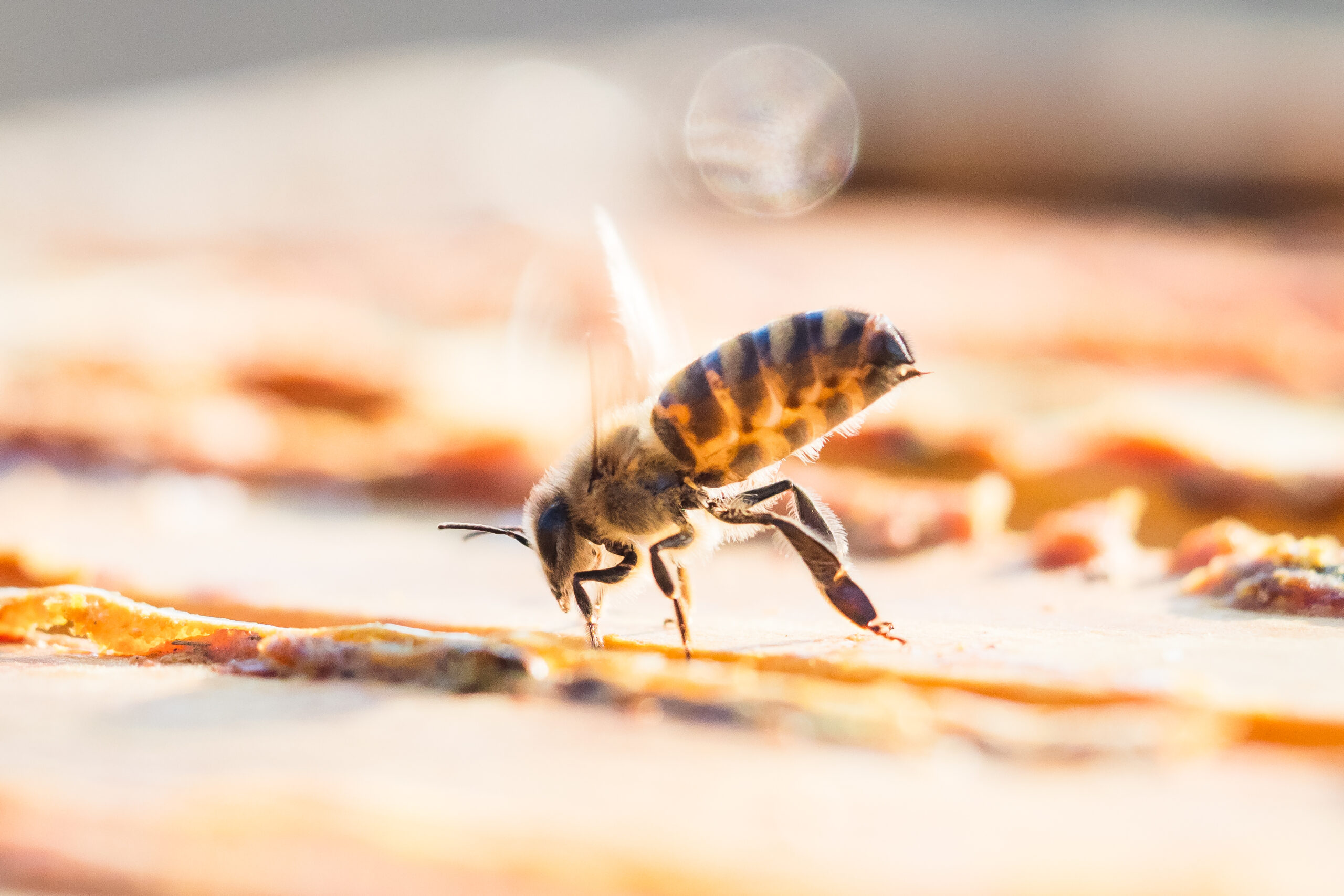
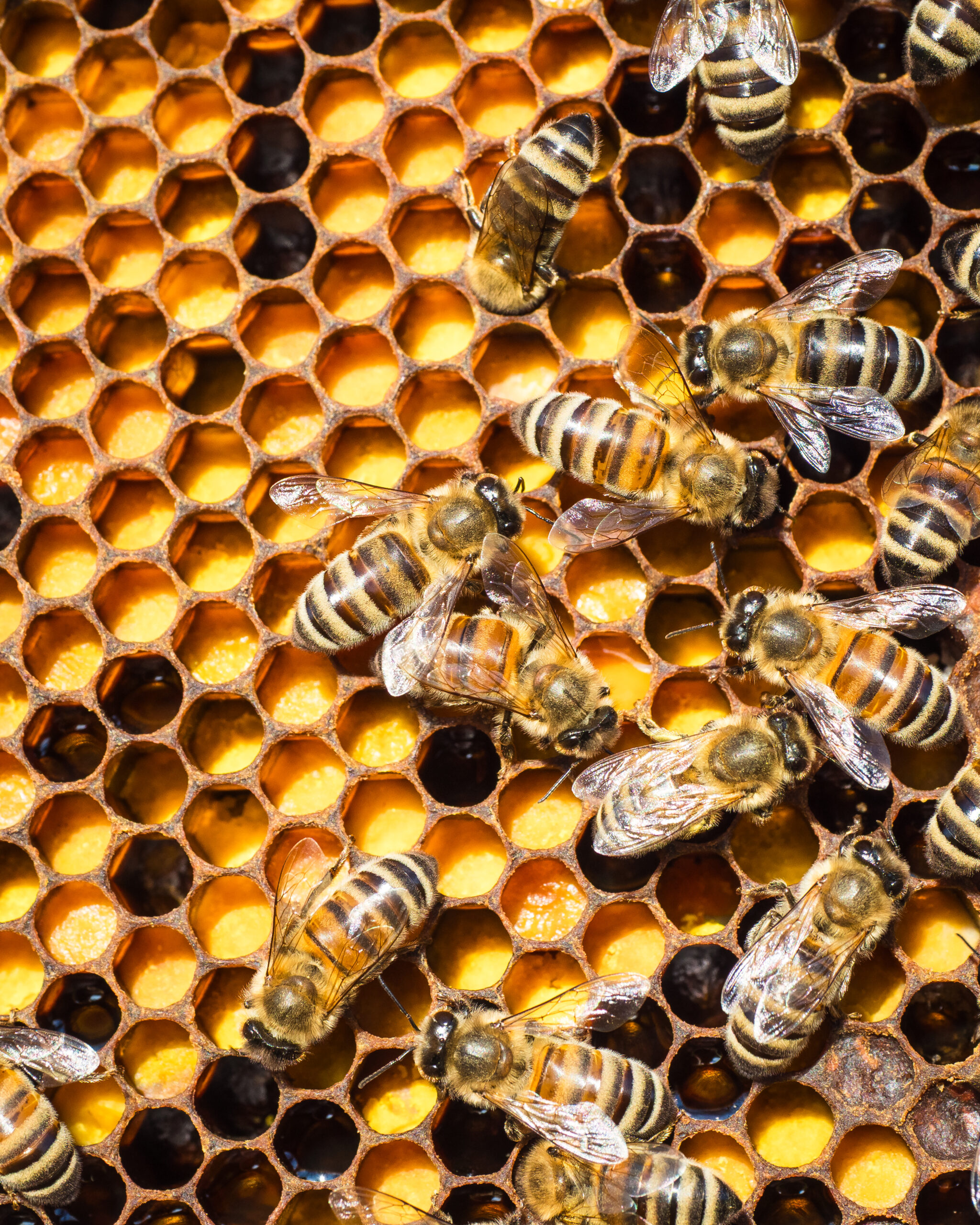
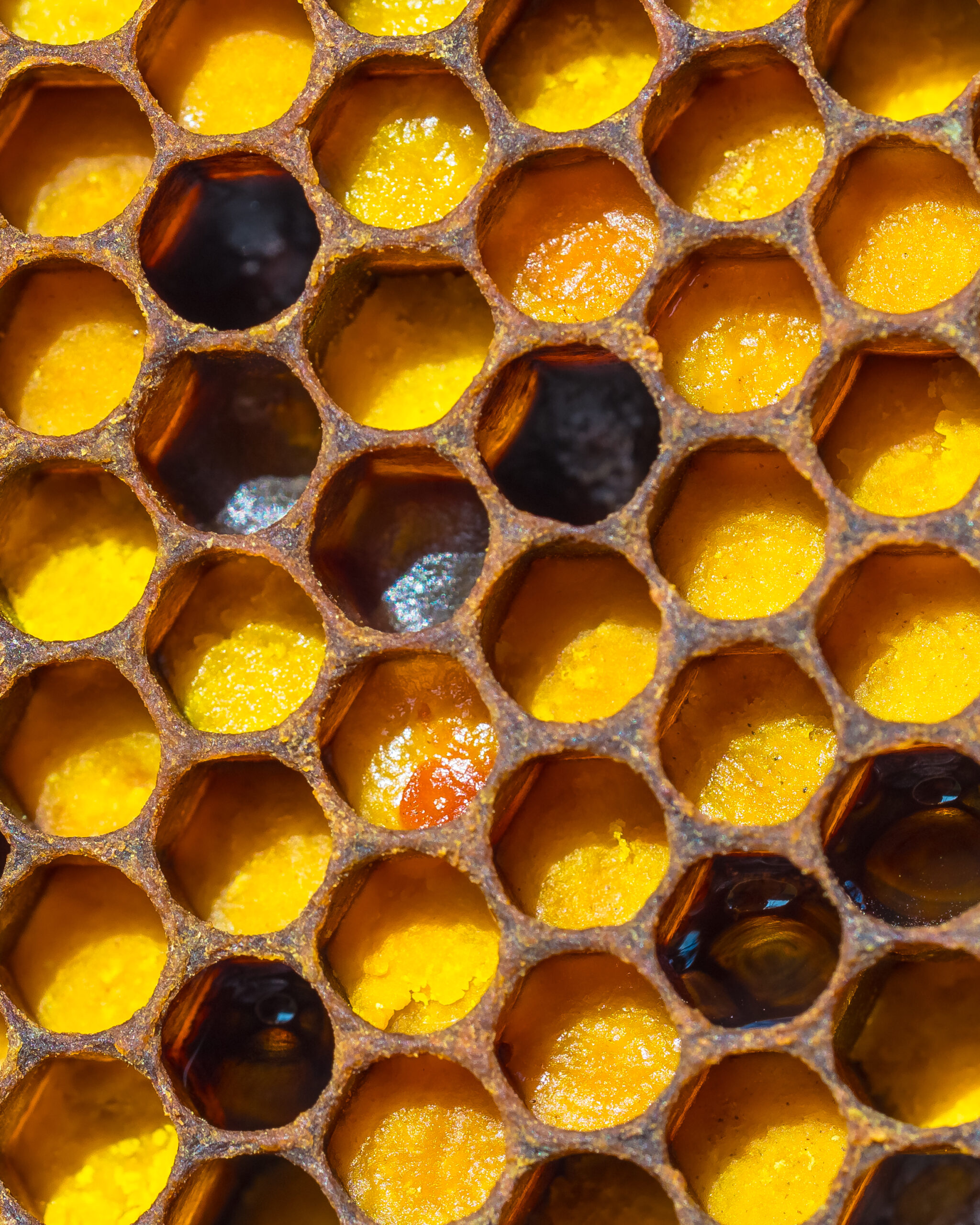
With a queasy feeling, I walk towards the hives and am glad to see a few bees flying out of the hive. I put my ear against the hive and breathe a sigh of relief when I hear the low hum and the ominous-sounding response after I gently knock. I do not open the hive straight away. First, I look at the entrance: everything is orderly and unhurried. So there must be a queen in the colony. No dead or sluggishly moving bees in front of the entrance, so there is no immediate food shortage. I am pleased to see bees with heavy pollen baskets on their legs. Pollen means brood – brood gives hope.
That’s enough inspecting; now I have to open it and get a picture of its internal condition. I carefully open the lower inspection hatch and see a few dead bees on the floor – that’s OK, but the fact that they are still lying down there tells me that my little colony must be small and has its hands full right now. I carefully sweep the bees out of the hive and lift the lid – it cracks. The first crack of the year breaks through the protective layer of propolis and lets in the cosmic energy of the flowering day described by Matthias Thun. The visibly bewildered winter bees do not rise for a final battle – they wait, looking at me questioningly, just as I look at them. We enter into interspecies communication.
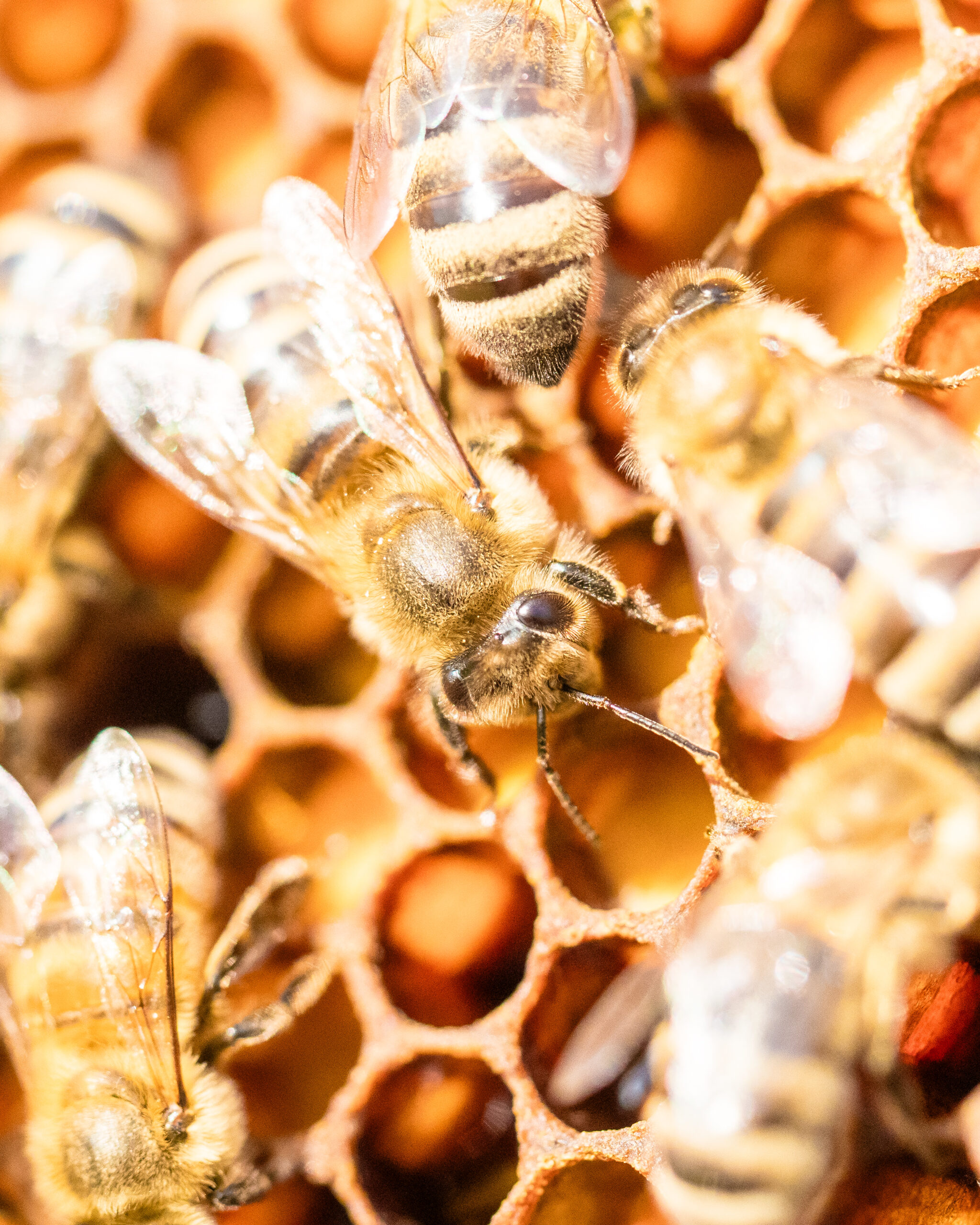
I carefully remove the frames one by one and see what I had hoped for: capped brood throughout, with larvae and eggs beside it. So the pollen stores are not feeding offspring of a drone-laying queen, but a fully-fledged next generation of summer bees. The small but healthy colony gets a little more fondant for the cold days ahead, and I look forward to the coming beekeeping season even more.
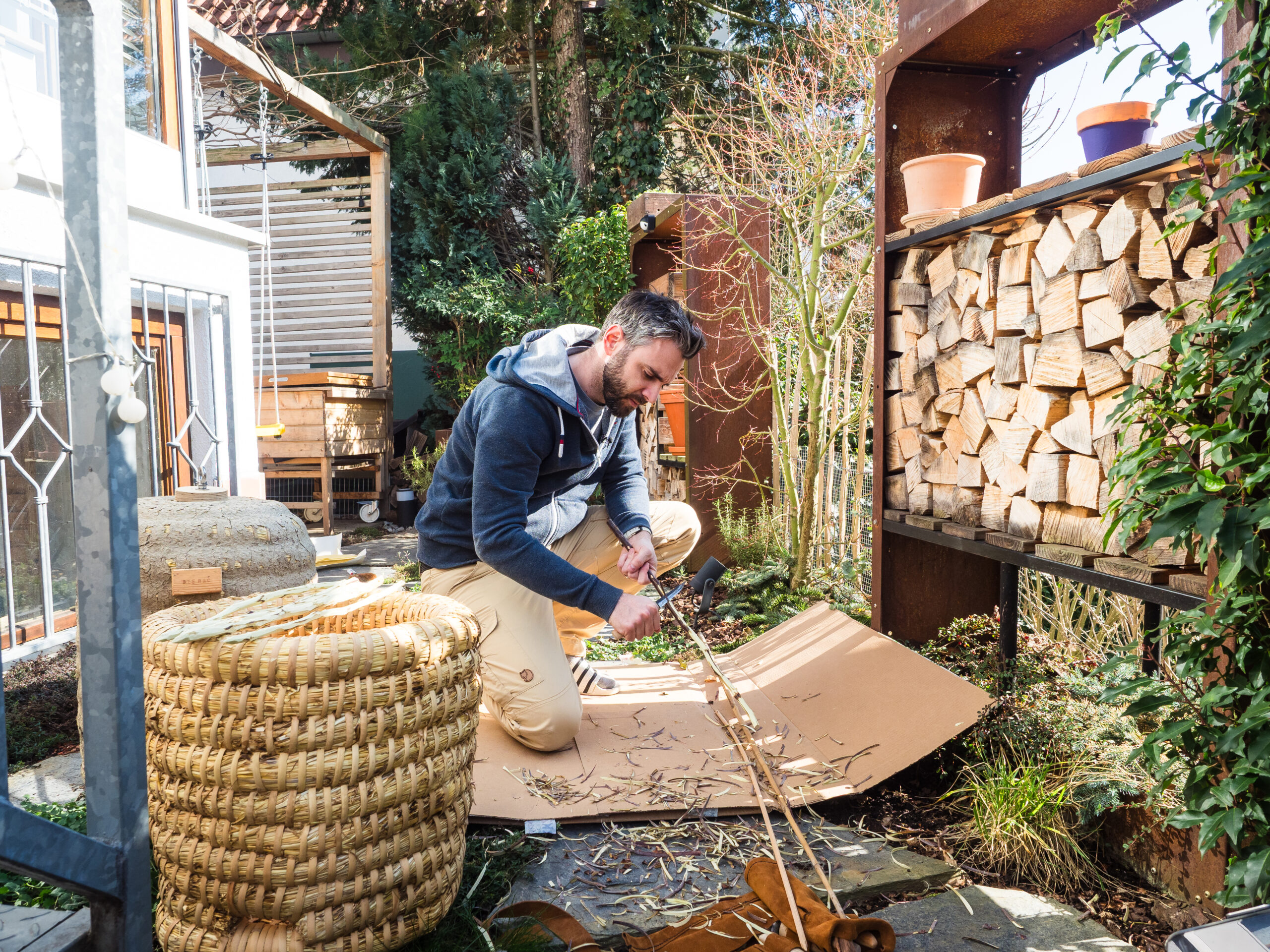
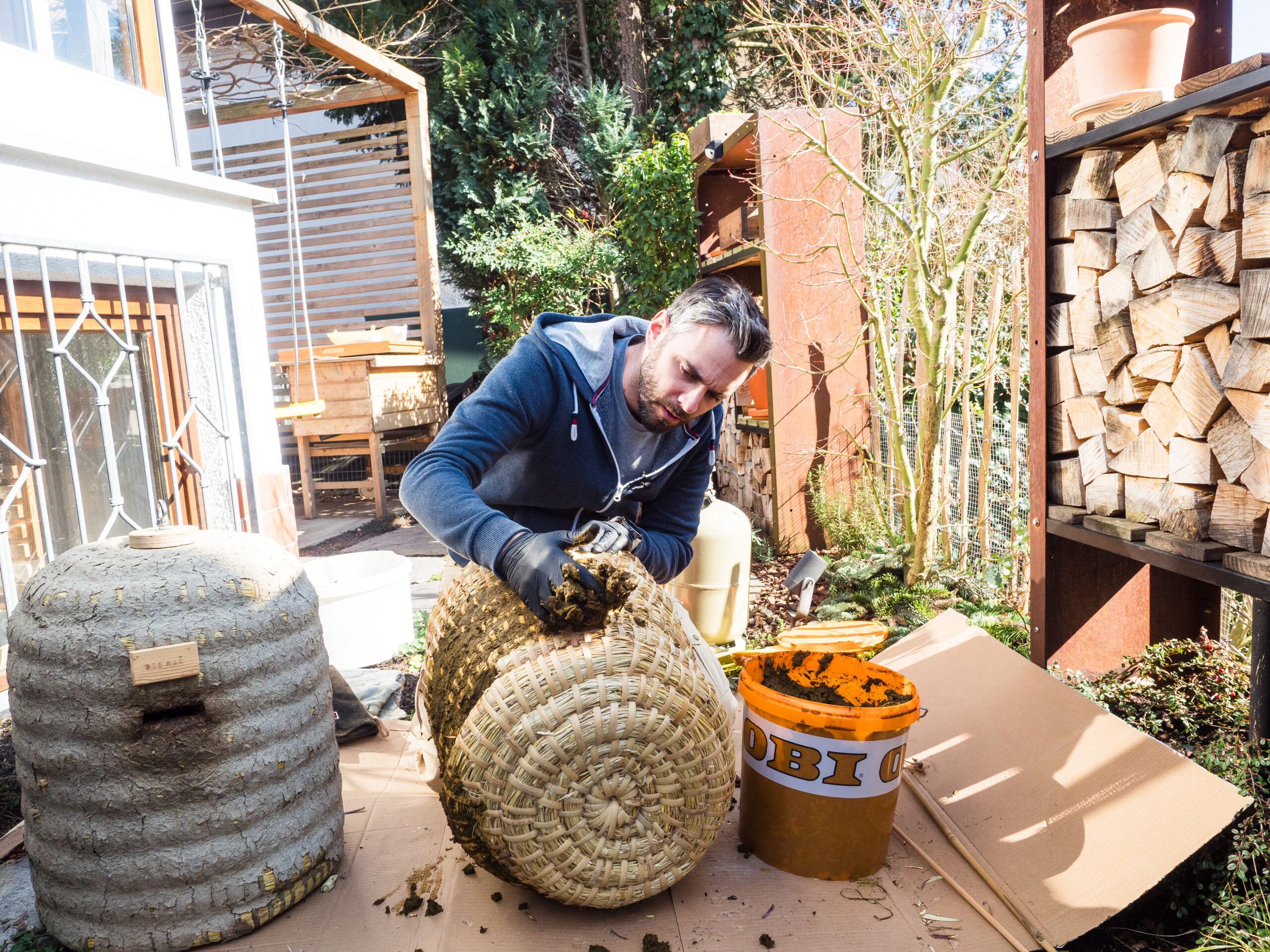
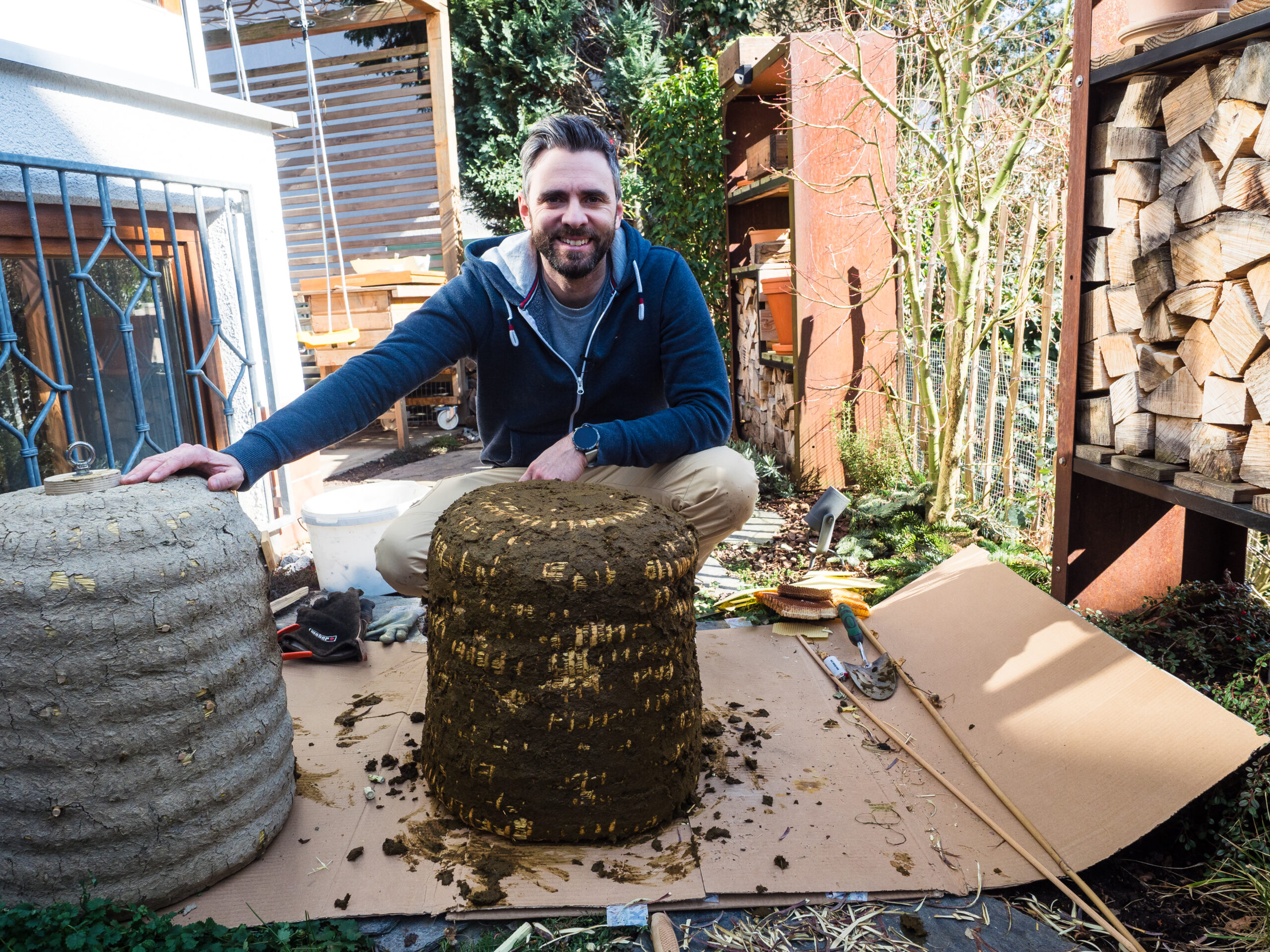
Last October, I wove a wonderful Lüneburg skep. It is a beehive made of rye straw that has been widely used in heathland beekeeping. In its raw state, it could house bees, but beekeeping activities could not be carried out in it. It needs to be prepared inside and out for its new inhabitants. In autumn, while the grasses were still full of sap, I collected fresh cow dung from a friend’s cattle farmer. Also in autumn, I received rose bushes that my neighbour had cut back, and kept them together with the dung for this day.
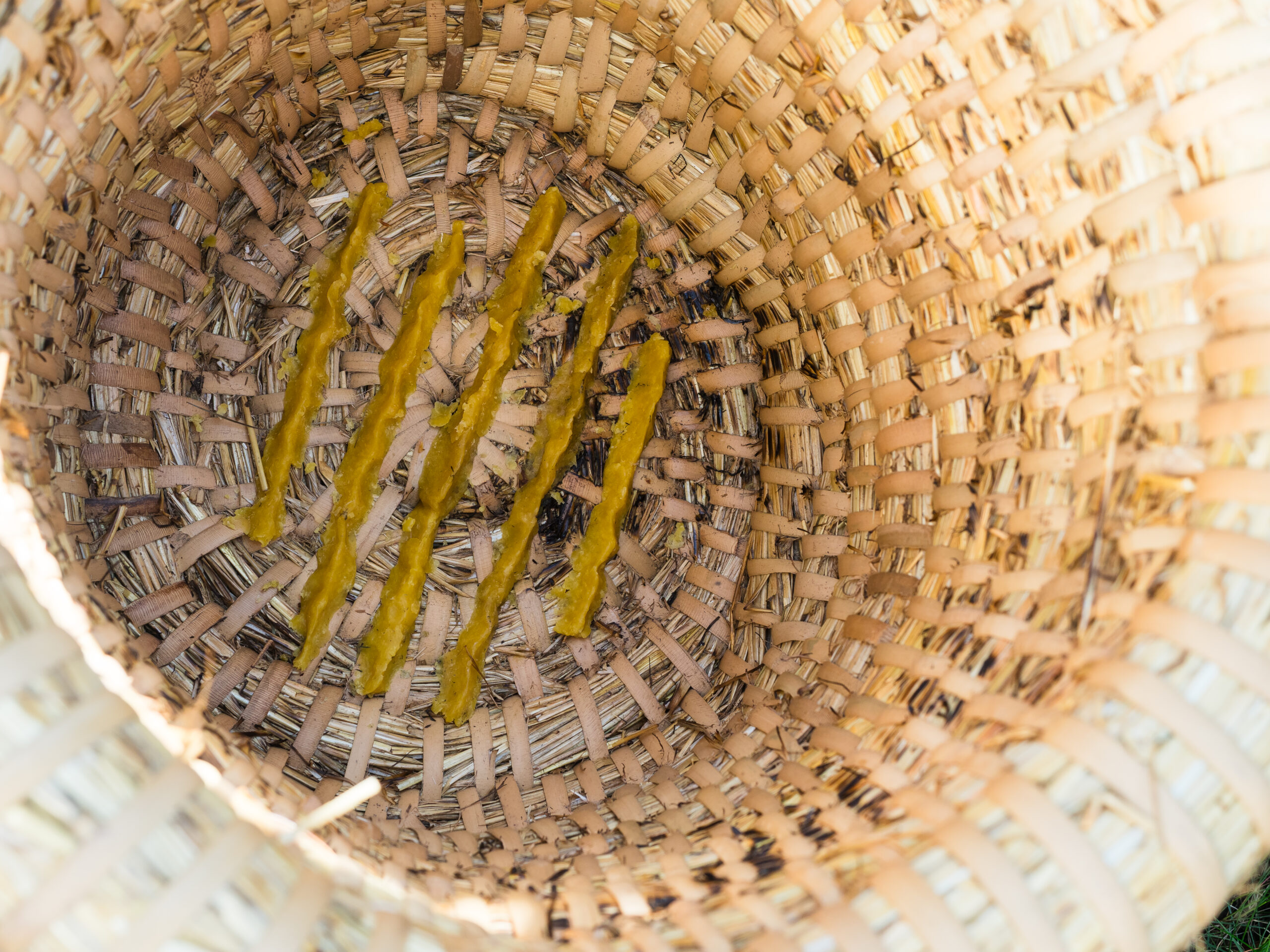
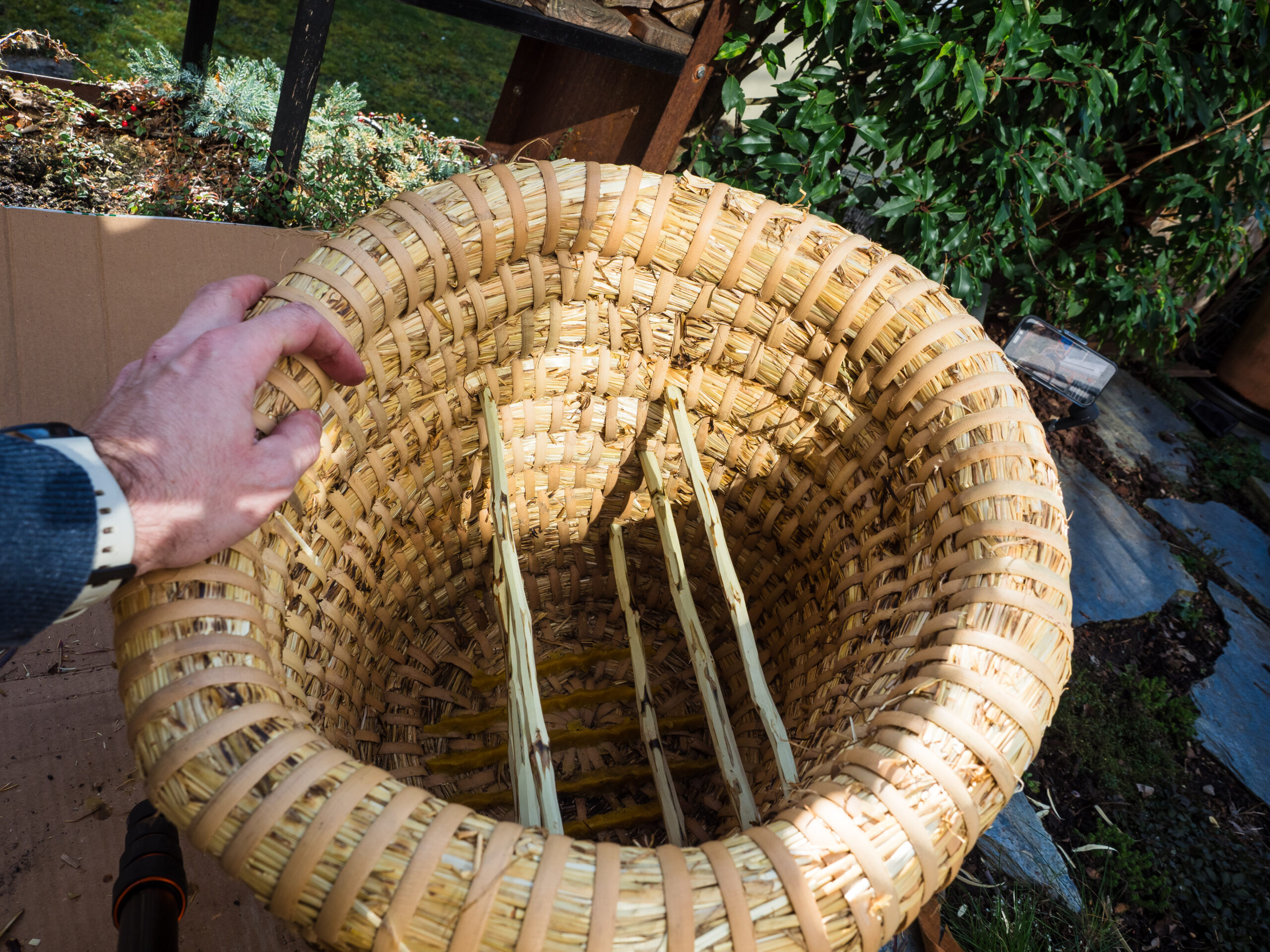
Then, on this sunny weekend, the time had come and I was able to prepare the skeps. Carve the cross-sticks, push them through, insert starter strips of comb and seal the skep with dung. A very pleasant and surprisingly calming activity before the hectic beekeeping season.
YouTube video “BEFORE bees move into the skep, you need to do THIS”
Additional information: If you’d like to weave one too: at www.antes-golden-girls.com we will soon be offering another course in Germany, Baden-Württemberg . For our Swiss friends of bees, FreeTheBees is FreeTheBees also offering an exciting course: Making a Weissenseifener hanging skep with Jennifer Rident on 17 July in Vaulruz, Canton of Fribourg. Click here to register.
Preparations for an additional apiary are under way. The design was planned in CAD, the materials list has been drawn up, and I am confident that work will start soon. I hope to create another important element for natural beekeeping with this apiary. Natural hives such as baskets or tree trunks, as well as conventional hive systems, perform better when protected from direct rain. I am very happy to have persuaded several partners to help implement this project, and I will soon be starting construction. Feel free to follow me on my social media and share your advice with me.
Best wishes,
Ante
YouTube: https://www.youtube.com/@AntesGoldenGirls
Instagram: https://www.instagram.com/antes.golden.girls/
TikTok: https://www.tiktok.com/@antes.golden.girls
Website: https://antes-golden-girls.com
Subscribe to our newsletter here so you don’t miss any new blog posts.
Beekeeping Calendar 2025 – March: Too many bees? Too much honey?
Beekeeping Calendar 2025 – January: The end and the beginning
January – February: Looking back and planning for the new beekeeping season
March: Preparing for the new beekeeping season and ensuring food supplies
July: Never treat bees without first measuring infestation levels
August: How do location and conditions affect the health of bee colonies in midsummer?
Text and photos by Ante Hamersmit Ante Hamersmit has a special way of keeping bees. A log hive resembles a tree trunk...
Text and photos by Ante HamersmitAnte Hamersmit has a special way of ...
Text and photos by Ante HamersmitAnte Hamersmit has a distinctive way...
Important information
Important information: The original texts are published in German. The French, Italian and English versions are translated automatically and checked where possible. Please report any errors to bee@freethebees.ch.