Text and photos by Ante Hamersmit
December marks not only the calendar year’s end, but for me, it also means that we have now reached my final contribution to the Beekeeping Calendar at FreeTheBees.
I still remember the initial conversation, when I set out on this journey full of anticipation, but also clearly stated my goal: to create this calendar not as a textbook, but as a diary. An honest, sometimes unvarnished look at what it means to work with bees, learn from them and grow along the way. It was a record of my successes, my doubts, my experiments, my mistakes—and my quiet moments of wonder at the hive entrance.
Your reactions, not only to this calendar but also to my journey on social media, have moved me. Agreement, surprise, criticism, appreciation—it has all been part of it, and still is. And that matters. Because learning does not happen in the comfort zone or between the lines of textbooks alone, but also in the spaces in between. Where teaching meets nature and our inner outlook.
Looking back, I am proud that I did not show a perfect world, but an authentic one. I did not follow a single “right” path in beekeeping; instead, I made it clear just how complex and multifaceted one’s own path really is.
I have learned that there are no easy answers when it comes to balancing intervention and trust. Every colony is different, every season raises new questions, and every location presents its own challenges. And having the courage to show the darker side is at least as important as highlighting the bright spots.
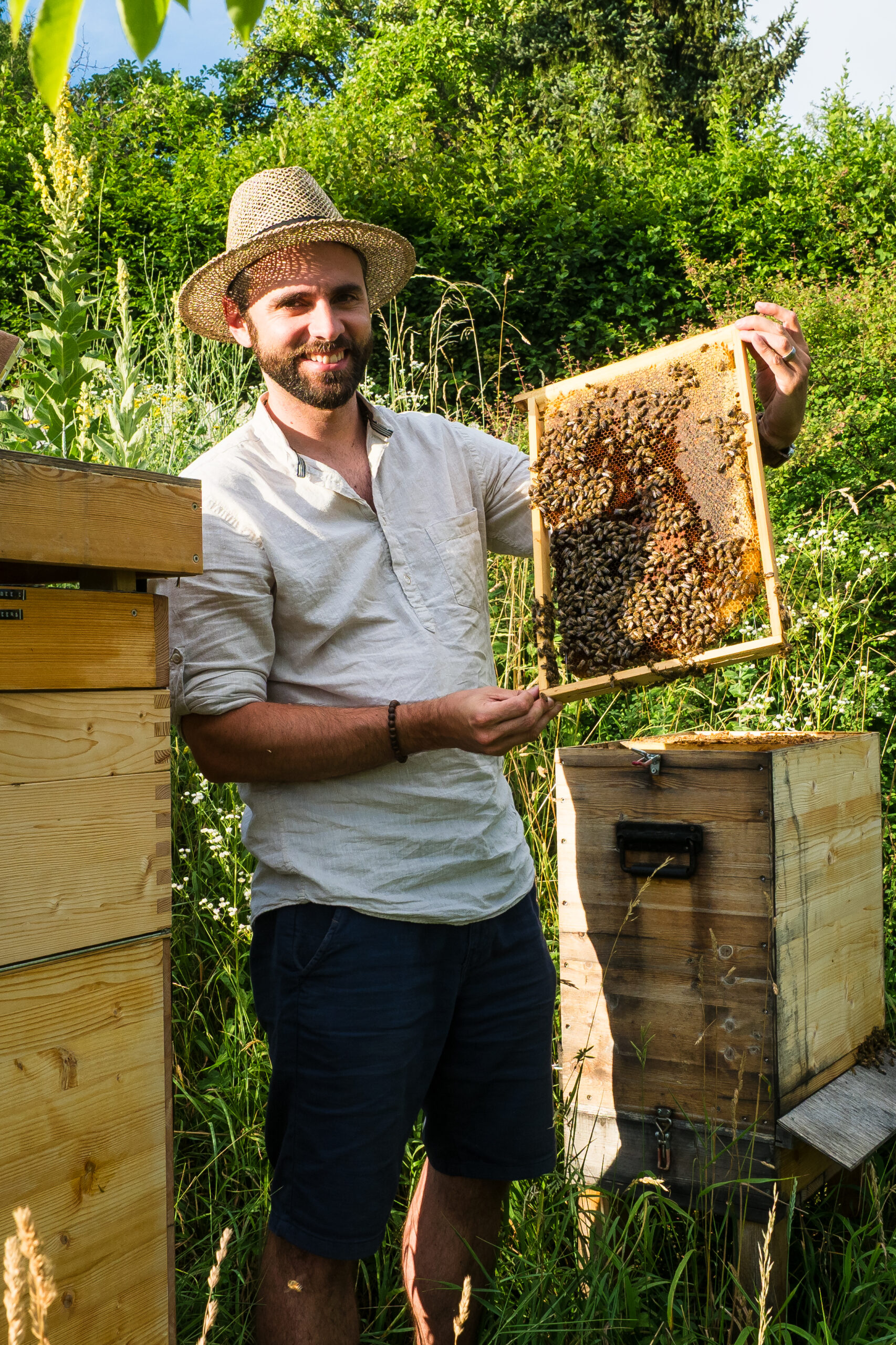
What has particularly occupied me this year is the realization that beekeeping is not an either-or. It is not about being perfectly close to nature or perfectly focused on yields. It is about embracing both. Although honey harvesting has never been my use case—and probably never will be—I enjoy eating plenty of honey and am grateful to everyone who harvests it efficiently.
But there must be another way, one that is just as important and that we must not neglect: an experimental approach focused on the nature of the bee colony. It is demanding, not glamorous and tends to bring less success. But those who have already followed this path successfully would not choose another.
There is one thing I would like us to keep in mind: let us not tire of questioning the status quo. The beekeeping we practise today is still young—astonishingly young compared with the 100 million years bees have already existed. Many of the practices we consider “normal” or “right” are not set in stone. They have arisen from biological relationships, but sometimes also from economic goals, convenience or simply because that is how things have always been done.
But the bees show us every day: there are other ways. More natural ways. Ways that are in harmony with evolution, not against it.
These are not rhetorical questions. They are invitations to think, experiment and keep learning together. Because nature does not need perfection—it needs awareness.
I am saying goodbye to this calendar, but not to the idea behind it. FreeTheBees—the freedom for bees to live according to their nature—will continue to accompany me. Just in a different form.
I will increasingly focus my work on inspiring people who, like me, are searching. People who sense that there is more to life than efficiency and yield. People who are ready to learn from bees—not only about honey, but about community, resilience and what really matters.
My journey is taking me away from beekeeping as my main focus and towards a broader understanding of nature, awareness and meaningful action. Bees will always be central to it—as teachers, as inspiration, and as a reminder that the most natural systems are the best.
When I look back on 2025, I see:
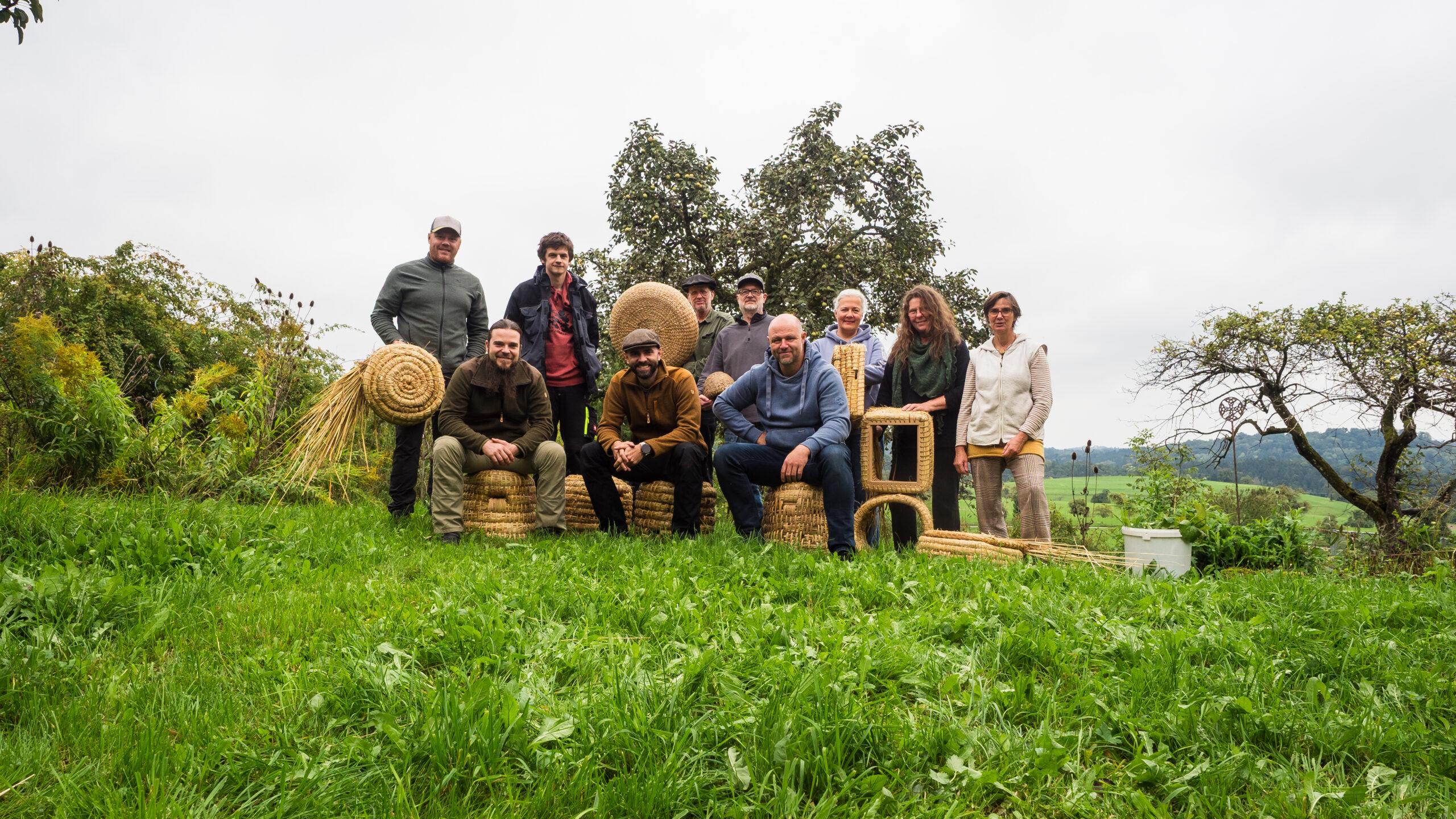
1. The basket-weaving courses, where people from across the DACH region came together to create something lasting with their hands. The smell of rye straw, the prick of the awl, and conversations that went deeper than technique.
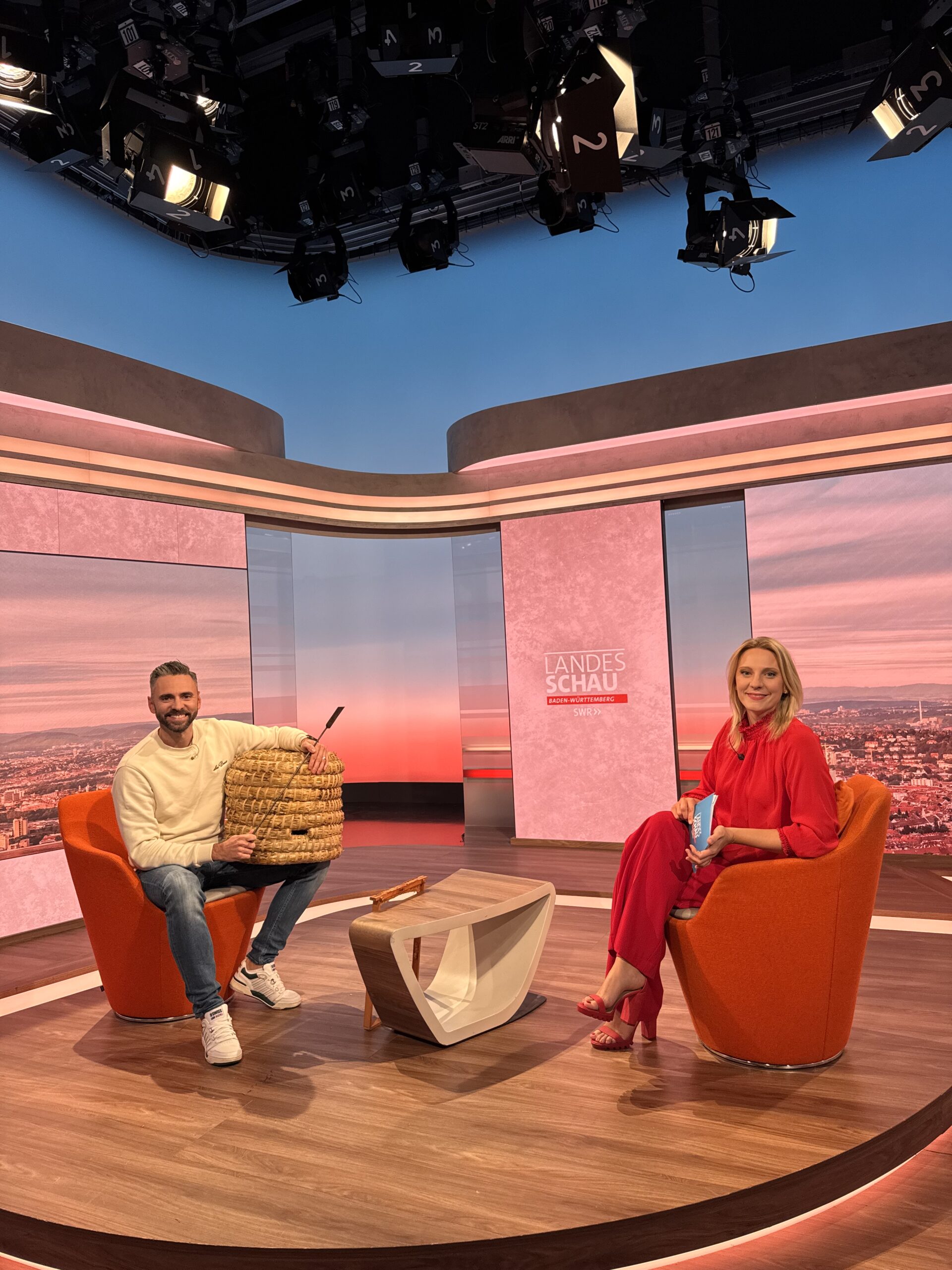
2. The television appearances on SWR, which showed me how many people out there are looking for a different way of keeping bees. The messages afterwards, the personal stories and the connections that were made.
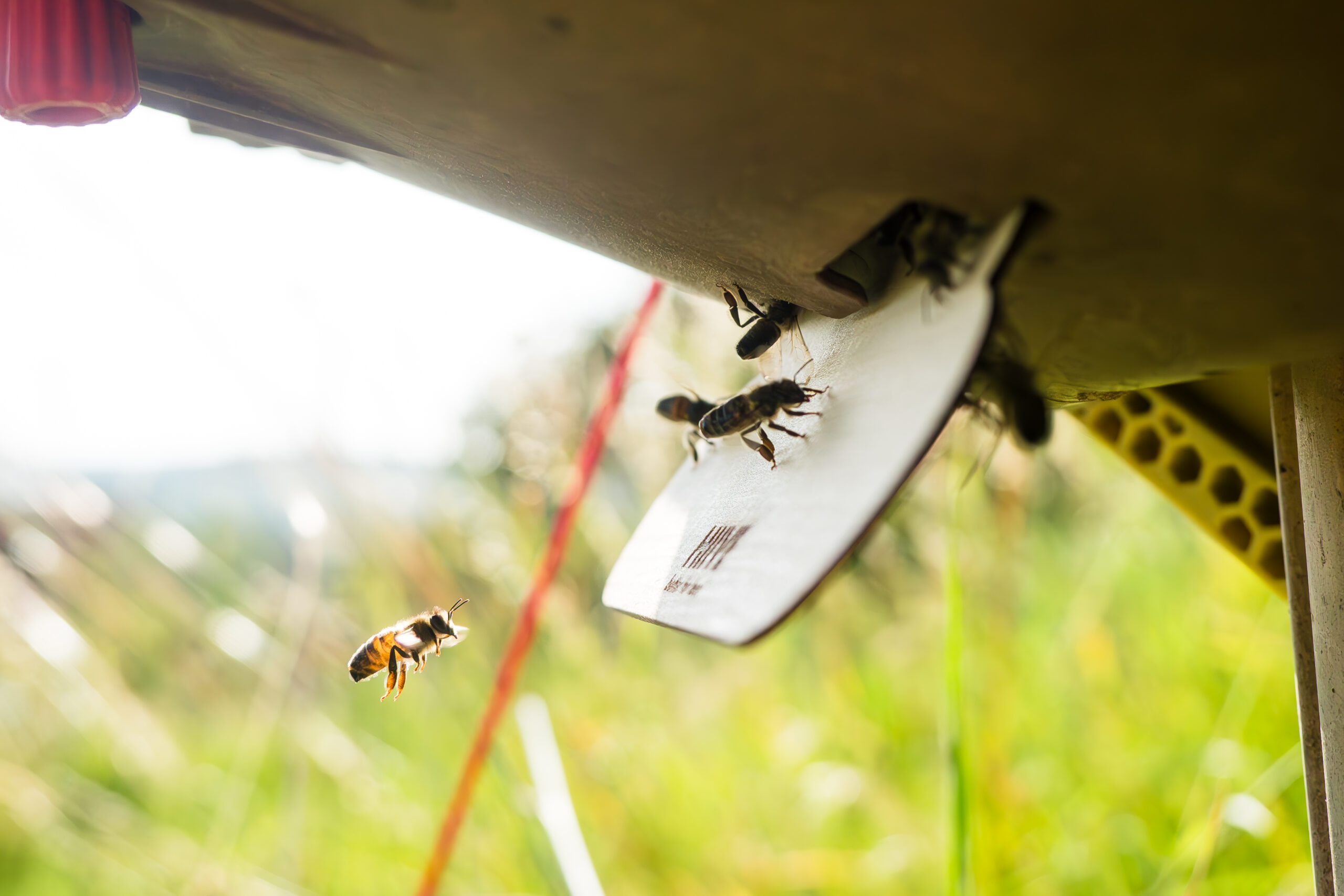
3. Working with my colonies, with all their ups and downs.
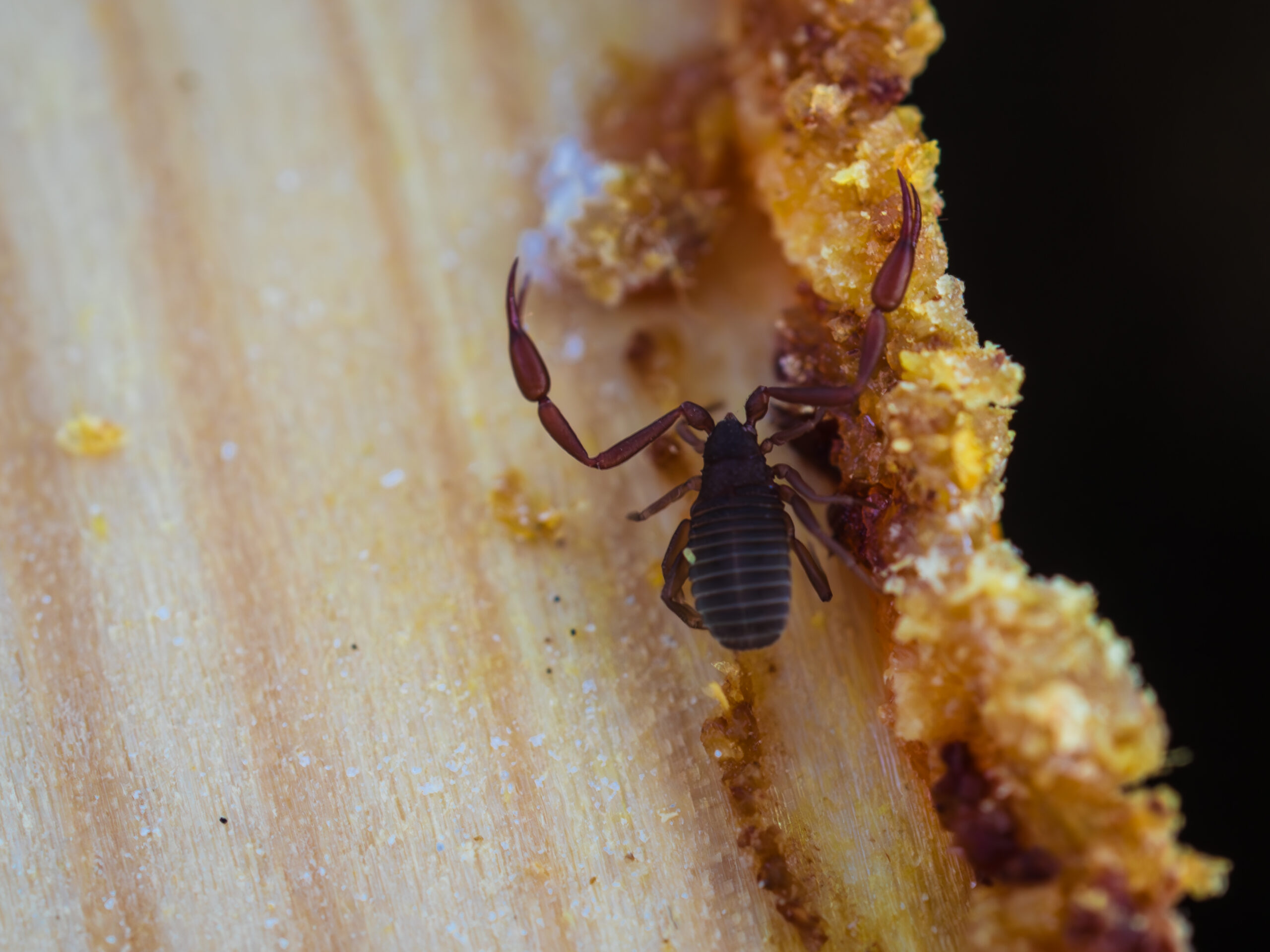
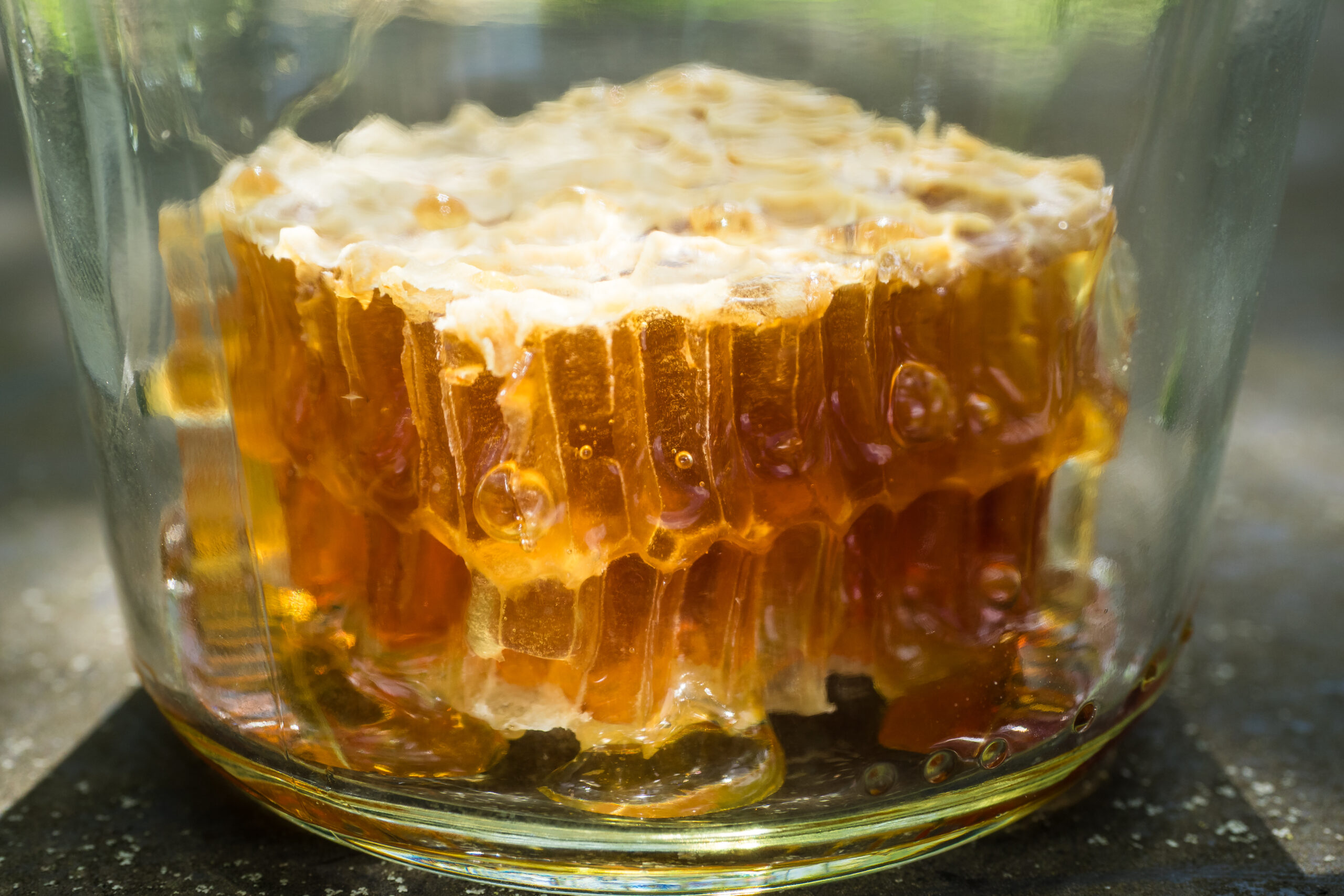
4. The joy of the Warré colony, which was able to thrive close to nature despite being in a conventional frame hive and stored most of its honey for the winter.
5. Worrying about my colony in the Weißenseifen hanging basket, not knowing whether I will see it again in spring.
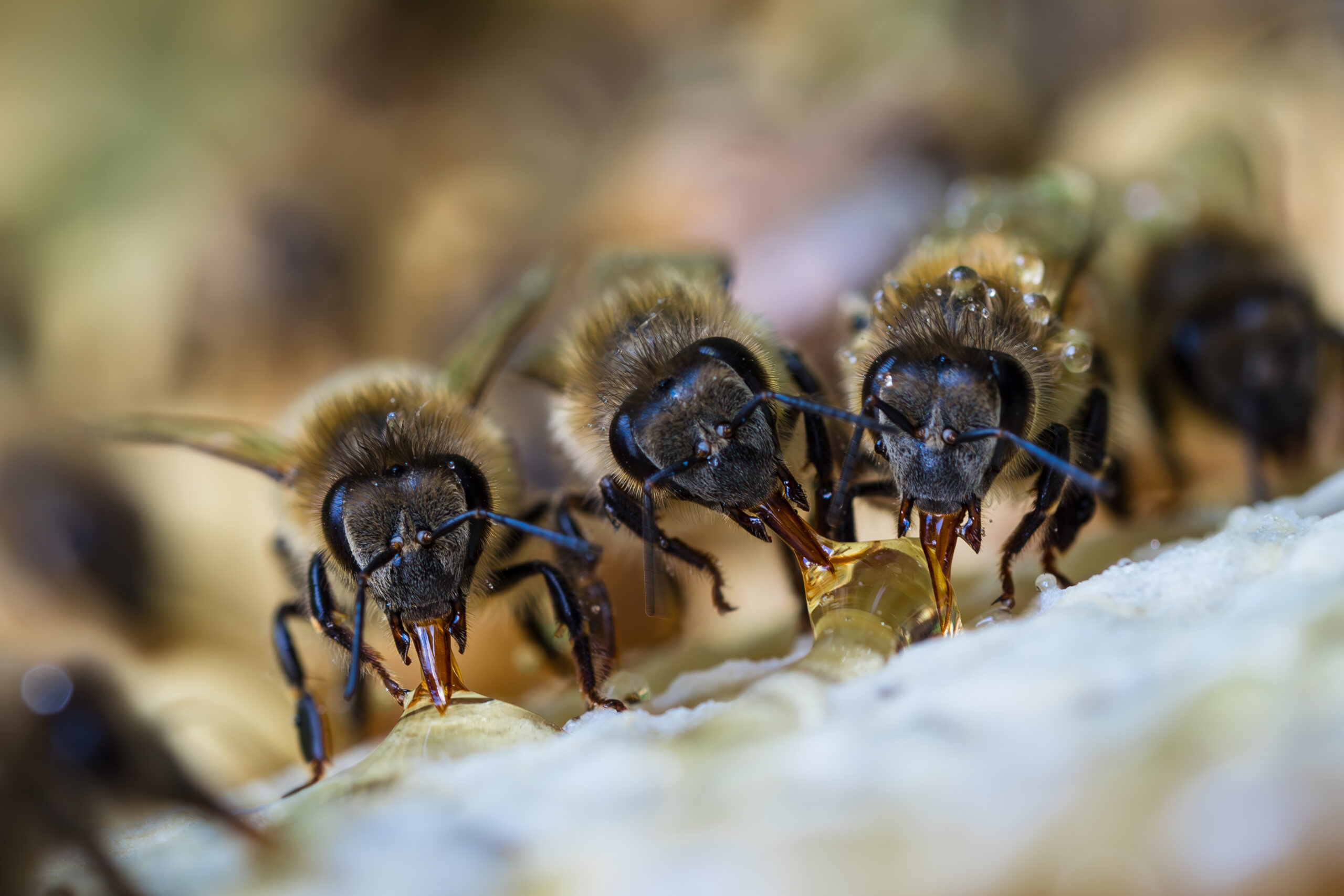
6. Deciding not to populate my log hives this year because I felt more drawn to the bee baskets I had woven myself.
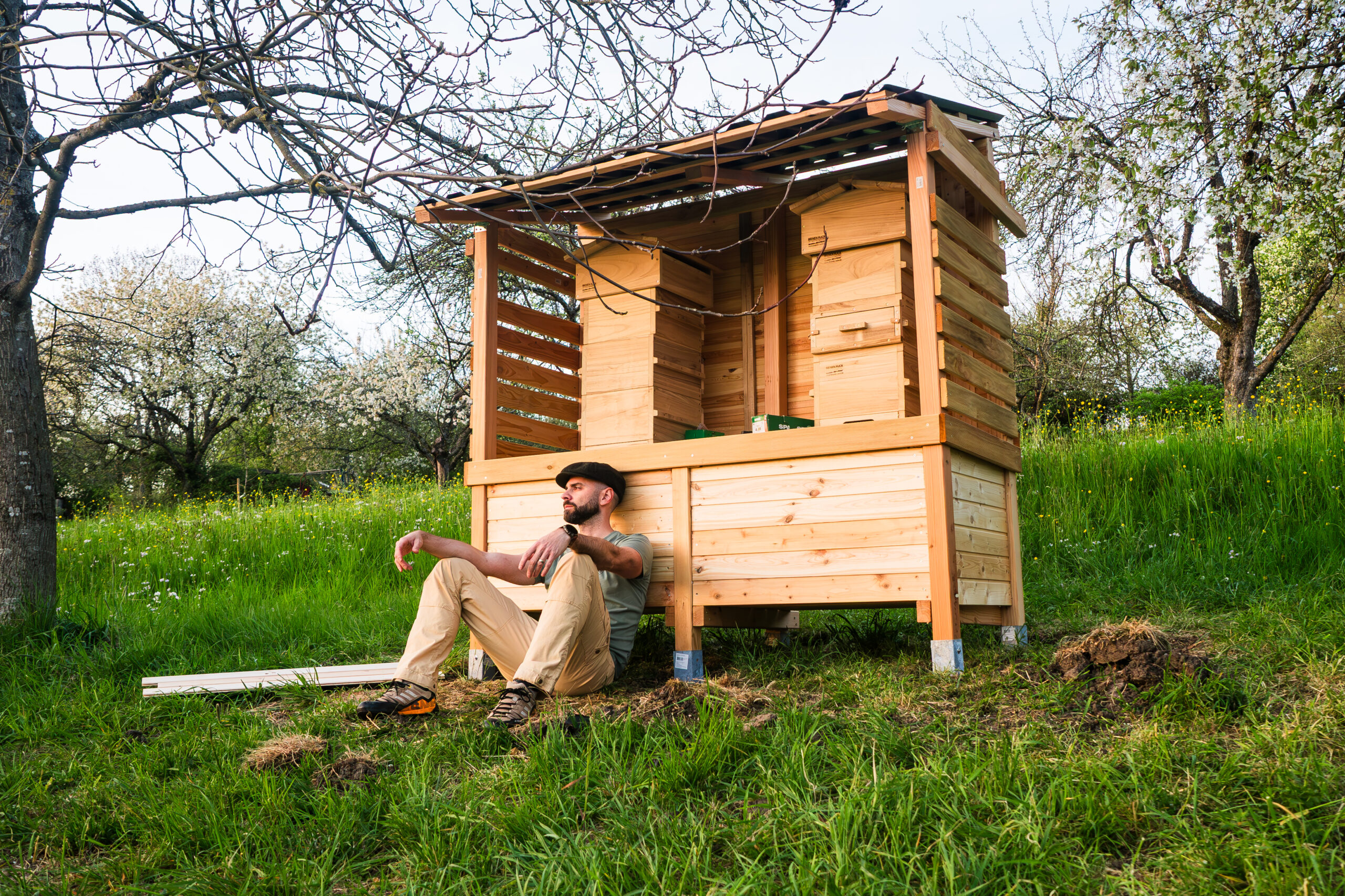
7. The radical step of quitting my well-paid management job after 18 years. Not to become a full-time beekeeper, but to build a heart-led business that aligns with my values.
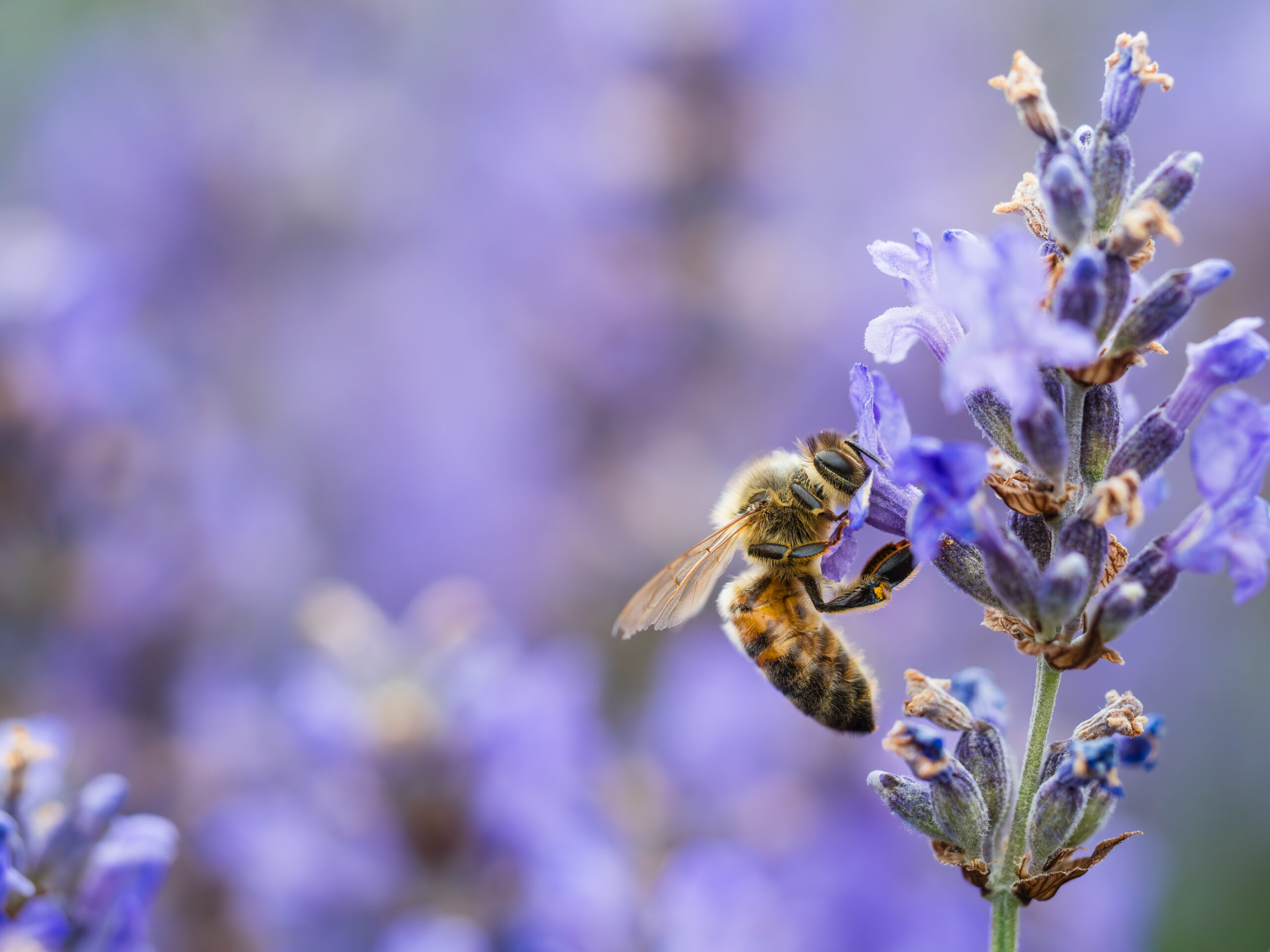
And in between all of this: thousands of quiet moments at the hive entrance. The buzzing on warm October days. The scent of fresh wax in the dark season. The realization that the most important lessons are often the ones that cannot be put into words.
Thank you for joining me on this journey through the calendar. Thank you for your comments, your questions and your constructive criticism. Thank you for being part of this community—a community that does not dictate, but learns from one another. Not perfect, but aware.
I invite you to continue following me—here at FreeTheBees, on social media such as Instagram and YouTube, and wherever our paths may cross. I will continue sharing what moves me, what I am learning and where the journey is leading. No longer to the rigid rhythm of a monthly calendar, but flowing, authentic and in harmony with what is unfolding.
I wish you a peaceful winter season, healthy colonies and the courage to follow your own path.
With all my heart, Ante
YouTube: https://www.youtube.com/@MARK.THIS.MOMENT
Instagram: https://www.instagram.com/markthismoment.co
TikTok: https://www.tiktok.com/@mark.this.moment
Website: https://antes-golden-girls.com
Subscribe to our newsletter here so you don’t miss any new blog posts.

Text and photos by Ante HamersmitAnte Hamersmit has a special way of ...
Text and photos by Ante HamersmitAnte Hamersmit has a distinctive way...
Text and photos by Ante HamersmitAnte Hamersmit has a distinctive app...
Important information
Important information: The original texts are published in German. The French, Italian and English versions are translated automatically and checked where possible. Please report any errors to bee@freethebees.ch.