Since November 2020, FreeTheBees has organised monthly online conferences on bees, natural beekeeping and biodiversity, free of charge and open to everyone. Speakers from Europe and North America share the latest research findings and practical experience with beekeepers, people interested in nature and everyone who wants to understand how bees are really doing. The 50th conference took place on 3 June 2026.
All recordings to date are available free of charge on YouTube.
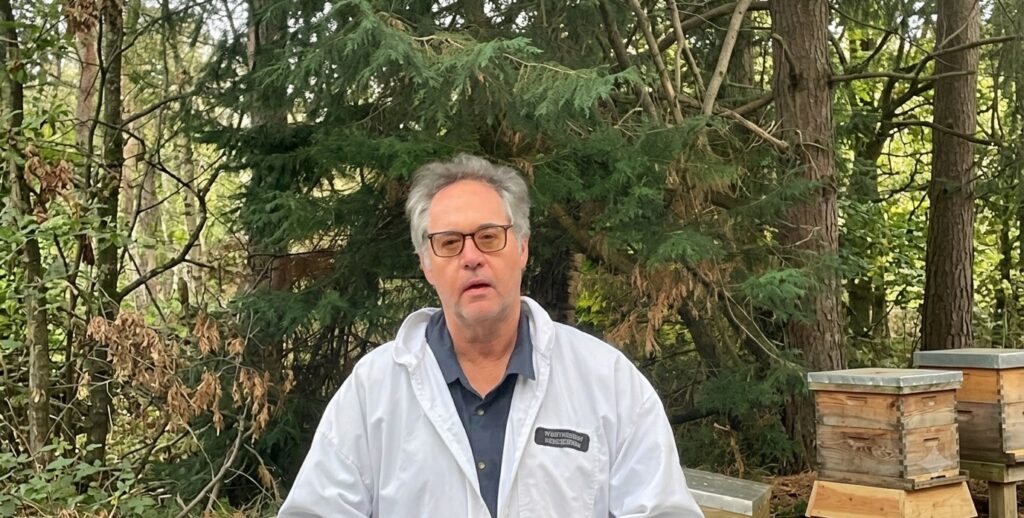
Steve Riley: The honey bee solution to varroa «Bees without borders»: Online conference in English,… 9. December 2026 19:00 Uhr
RegisterThe conferences last around 90 minutes and take place online via K-Meet, directly in your browser and with no installation required.
About an hour of presentations with plenty of images, followed by an open Q&A session. Questions can also be submitted in writing via the chat. Participants’ cameras and microphones remain off, so anyone who just wants to listen can do so without being seen.
Participation is free of charge. Every conference is recorded and then published on our YouTube channel, so even if you miss the date, you can watch the presentation later.
The conference series was founded in November 2020 by four internationally active organisations:
Honey Bee Wild, Luxembourg (John Park)
Natural Beekeeping Trust, United Kingdom (Jonathan Powell)
Apis Arborea, USA (Michael Thiele)
FreeTheBees, Switzerland (André Wermelinger)
All four share the same conviction: the future of wild honey bees can only be secured through international knowledge exchange. What began as a small joint project by passionate bee enthusiasts developed within just a few years into one of the most significant independent online platforms in the German-speaking world for topics relating to honey bees, biodiversity, beekeeping, nature conservation and research.
To date, internationally recognised experts have spoken at the conferences, including Prof. Dr. Thomas D. Seeley (one of the world’s best-known bee researchers), Dr. Benjamin Rutschmann, Dr. Frank Krumm (forest ecology) and Dr. Laurent Larrieu (habitat trees and forest biodiversity). Scientists, beekeepers, tree beekeepers, nature conservationists and biodiversity experts from across Europe and North America have also taken part.
The topics range from bee biology, ecology and nature conservation to forest ecology and tree beekeeping, as well as agriculture, politics and biodiversity research, and are relevant to beekeepers, scientists, nature conservationists and interested members of the public alike.
All conferences are free of charge and permanently available on YouTube. Each recording often reaches many times the original live audience, extending its impact well beyond the day of the event.
Background on the conference series for anyone who wants to know more.
The series has been internationally oriented from the outset. Talks are given in German, French and English, and automatic subtitles make them accessible beyond their respective language communities. New AI-powered tools are opening up the series further, making near-simultaneous translation of talks and discussions possible. This makes knowledge accessible regardless of language or origin.
“Bees Without Borders” shows how limited resources can achieve a significant impact. Organisational costs remain low while the reach continues to grow. At the same time, the format opens up access to internationally recognised experts whose knowledge is otherwise often available only to a small audience. The series thus supports the continuing education of beekeepers, connects experts and disseminates scientific findings on bees and biodiversity.
The breadth of expertise among the speakers reflects the approach of FreeTheBees: the honey bee is viewed as part of an ecological, social and economic system. The topics therefore range from bee biology, ecology and nature conservation to forest ecology and tree beekeeping, as well as agriculture, politics and biodiversity research.
FreeTheBees will continue and expand the conference series. International collaborations and new technologies will make it possible to reach even more people in the future. The goal remains the same as it was in November 2020: to bring people together, overcome borders and make knowledge freely accessible for the benefit of bees, biodiversity and society.
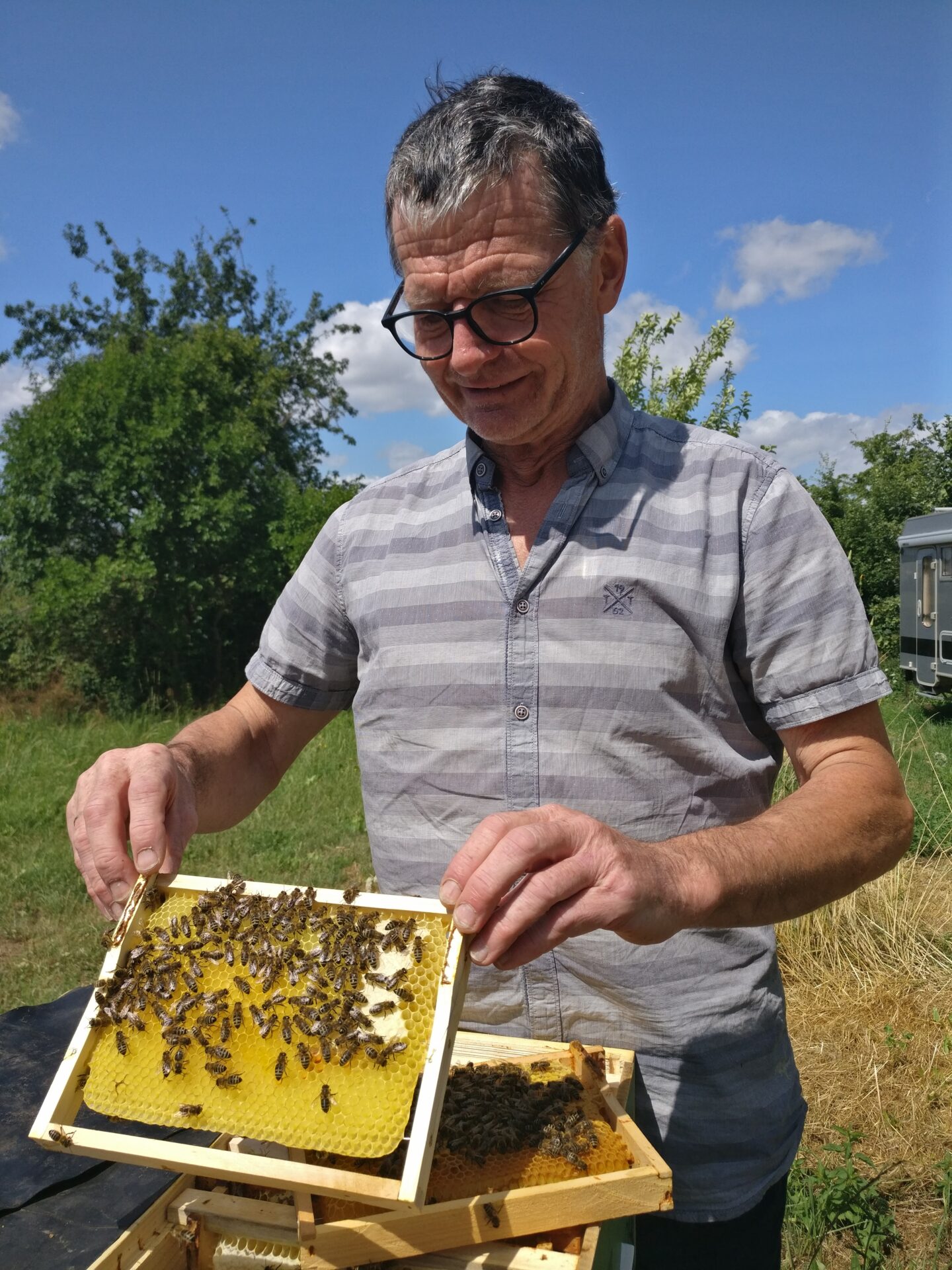
RALPH BÜCHLER: “Breeding for Varroa resistance – and what brood removal has to do with it” (original: “Resistance mechanisms and the complete brood removal method”). With over 11,000 views, this is the most-watched conference in the series. Ralph Büchler explains how bee colonies develop resistance mechanisms against Varroa and the role played by complete brood removal. A talk for everyone who wants to keep bees without chemicals in the long term.
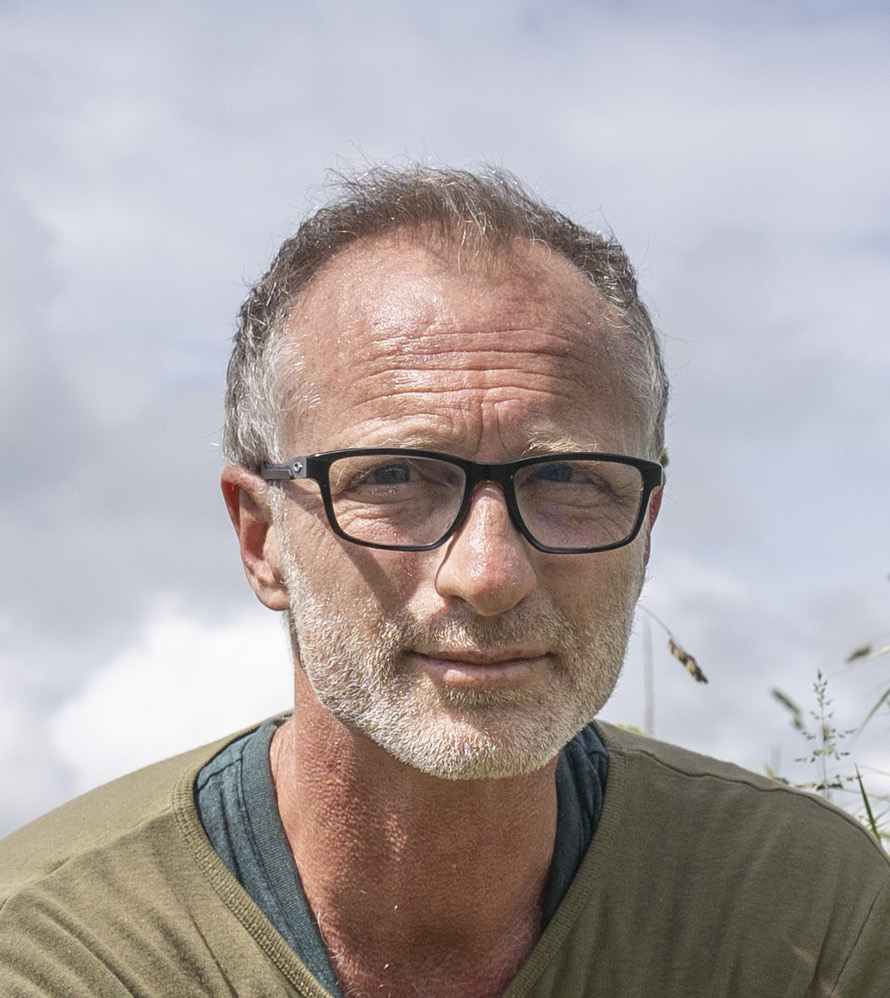
HUGUES MOURET: “Rewilding the garden – for pollinators and bees” (original: “Réensauvager le jardin – pour les pollinisateurs”). Hugues Mouret shows how a garden can become a food source for wild bees, bumblebees and honey bees with just a few interventions. Less mowing, more diversity, and practical measures that can be implemented straight away. With over 4,000 views, it is the second most-watched conference in the series.
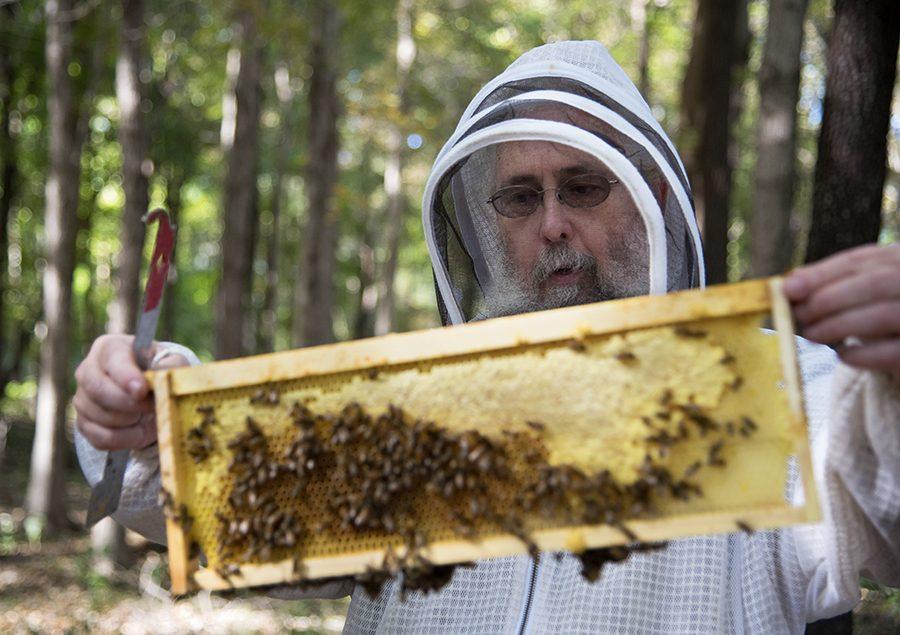
MICHAEL BUSH: “Treatment-free beekeeping – practical experience” (original: “Experience with and Results of Treatment-Free Beekeeping”). Michael Bush has kept bees without treatments for decades. In this conference, he shares his findings: what works, what does not, and why bee genetics matter more than any method.
“If we could leave the bees in peace, that would already be a great achievement. The bees are like little Swiss Army Knives, they have a tool for everything!”
“This talk is full of inspiration and gives me lots of ideas for planting and sowing.”
| Status | Ongoing project |
| Start | November 2020 |
| Conferences | Over 53; the 50th edition took place on 3 June 2026 |
| Languages | German, French, English |
| Focus areas | Honey bees, biodiversity, beekeeping, forest ecology, nature conservation, research |
| Special features | International speakers, free of charge, permanently available online |
The series was founded jointly by Honey Bee Wild (Luxembourg, John Park), the Natural Beekeeping Trust (United Kingdom, Jonathan Powell), Apis Arborea (USA, Michael Thiele) and FreeTheBees (Switzerland, André Wermelinger).
| Datum | Titel | Referent/in | YouTube | Zusammenfassung | Spotify |
|---|---|---|---|---|---|
| 28.10.2026 | Varroaresistenz durch Selektion: weniger Medikamente in der Imkerei | Dr. Ralph Büchler | ▶ DE | → DE | → FR | ♪ DE |
| 08.09.2026 | Vom Wissen zur Beziehung: Was Mensch und Biene verbindet | Martin Ott | ▶ DE | → DE | → FR | |
| 12.08.2026 | Schutz der Bienenvielfalt in Europa: Erkenntnisse aus der Europäischen Roten Liste | Prof. Denis Michez | ▶ ENG | → DE | → FR | |
| 03.06.2026 | Varroa als Symptom: Warum die Imkermethode über Behandlungen entscheidet | André Wermelinger | ▶ DE | ▶ FR | → DE | → FR | |
| 08.04.2026 | Die Elemente im Boden als Basis für gesunde Ökosysteme | Stefan Hügel | ▶ DE | → DE | → FR | |
| 18.03.2026 | Schutz der Wildbienen in der Schweiz | Christophe Praz | ▶ FR | ||
| 18.02.2026 | Naturnahe Imkerei: sanfte Methoden und Genetik varroaresistenter Bienen | Paul Honigmann | ▶ EN | ||
| 27.01.2026 | Warum eine Waldimkerei anlegen? Biodiversität und Pädagogik auf dem Causse de Sauveterre | Marie-Noëlle Jalabert | ▶ FR | ||
| 19.11.2025 | Agrarökologie trifft Bedarfsökonomie: Solidarische Imkerei in der Praxis | Peter Niedersteiner | ▶ DE | ||
| 15.10.2025 | Der Bücherskorpion – ein Freund der Bienen? | Johannes Buchenwald | ▶ DE | ||
| 17.09.2025 | Wilde Honigbienenpopulationen in Europa | Dr. Patrick L. Kohl | ▶ DE | ▶ EN | ||
| 03.09.2025 | Wie Bienen ihre Gesundheit zurückgewinnen können | Jacques van Alphen | ▶ FR | ||
| 18.06.2025 | Die Dendromikrohabitate: unverzichtbare Lebensräume für tausende Waldarten | Dr. Laurent Larrieu | ▶ FR | ||
| 29.04.2025 | Varroa bekämpfen mit einem natürlichen Feind – geht das? | Geert Steelant | ▶ FR | ||
| 08.04.2025 | Naturnahe Imkerei und die ökologische Bienenbeute | David Mérino-Rigaill | ▶ FR | ||
| 19.03.2025 | Apitherapie – wenn der Körper die Kraft der Biene spürt | Marina Troubkina | ▶ FR | ||
| 12.02.2025 | Den Garten rewilden – für Bestäuber und Bienen | Hugues Mouret | ▶ FR | ||
| 15.01.2025 | Welche Auswirkungen haben elektromagnetische Felder auf Insekten? | Alain Thill | ▶ DE | ||
| 11.12.2024 | Von der mittelalterlichen zur modernen Imkerei: Eine kritische Zeitreise | Pierre Caballé | ▶ FR | ||
| 21.09.2024 | Die Tragödie der Bienenstöcke und schlechter Nestentscheidungen | Dr. Derek Mitchell | ▶ EN | ||
| 21.09.2024 | Wie lässt sich die Wintersterblichkeit reduzieren? (2) | Gilles Grosmond | ▶ FR | ||
| 17.09.2024 | Gefährdung der Bienen: Konkurrenz zwischen Honig- und Wildbienen sowie invasive Hornissenarten | Charly Giesen | ▶ DE | ||
| 21.08.2024 | Ökologische Aufwertung von Wiesen mit autochthonem Saatgut | Dr. Daniel Slodowicz | ▶ DE | ▶ FR | ||
| 11.06.2024 | Rewilding und Schutz von Honigbienen in ihrem natürlichen Lebensraum | Rosa María Licón Luna | ▶ EN | ||
| 07.05.2024 | Wie lässt sich die Wintersterblichkeit der Bienen reduzieren? | Gilles Grosmond | ▶ FR | ||
| 17.04.2024 | Schweizer Recht und Bienenhaltung | André Wermelinger | ▶ DE | ▶ FR | ||
| 13.03.2024 | Erfolgreiche Zucht varroaresistenter Honigbienen | Julien Duwez | ▶ FR | ||
| 14.02.2024 | Von konventioneller zu radikal naturnaher Imkerei – wie geht das? | Mathieu Angot | ▶ FR | ||
| 16.01.2024 | Das intestinale Immunsystem von Insekten (einschliesslich der Bienen) | Prof. Dr. Florian Überall | ▶ DE | ||
| 06.12.2023 | Varroa-Resistenzmechanismen und Methode der kompletten Brutentnahme | Ralph Büchler | ▶ DE | ||
| 08.11.2023 | Bedeutung von Imkern beim Monitoring gebietsfremder Arten | Jovana Bila Dubaić | ▶ EN | ||
| 26.10.2023 | Zeidlerei als Werkzeug zum Schutz der wilden Honigbiene | Przemek Nawrocki | ▶ EN | ||
| 05.09.2023 | Bienenhaltung mit Elektrokultur | Michael Pfenninger | ▶ DE | ||
| 22.08.2023 | Soll man Bienenvölker füttern? Und wenn ja, wie? | André Wermelinger | ▶ DE | ▶ FR | ||
| 28.06.2023 | Wilde Honigbienen in Europa – Stand der Forschung | Dr. Benjamin Rutschmann | ▶ DE | ||
| 04.05.2023 | Apitherapie: Die Schätze der Biene für unsere Gesundheit | Brigitte Dorsaz D'Alessio | ▶ FR | ||
| 05.04.2023 | Wie intelligent sind Bienen? | Lars Chittka | ▶ DE | ||
| 02.03.2023 | Diversifizierte Bienenhaltung am Beispiel der FreeTheBees Imkermethodik | André Wermelinger | ▶ DE | ▶ FR | ||
| 21.02.2023 | Der Waldgarten für Biodiversität und Bestäuber | Samuel Dépraz | ▶ FR | ||
| 11.01.2023 | Das diverse Immunsystem der Honigbienen und was der Mensch damit zu tun hat | Bigna Zellweger | ▶ DE | ||
| 21.12.2022 | Freilebende Honigbienen und deren Schutzsituation in der Schweiz | André Wermelinger | ▶ DE | ||
| 07.12.2022 | Wildlebende Honigbienen – Vergleichende Synthese aus 3 Studien (FR, DE, LU) | Vincent Albouy | ▶ FR | ||
| 09.11.2022 | Zeidlerei als Beitrag zur Erhaltung der Biodiversität und natürlicher Waldökosysteme | Hartmut Jungius & Przemek Nawrocki | ▶ EN | ||
| 05.10.2022 | Neue Wege für die Imkerei in einer Zeit der Krise | Michael Joshin Thiele | ▶ DE | ||
| 04.06.2022 | Erfahrungen und Ergebnisse der behandlungsfreien Bienenhaltung | David Heaf & Michael Bush | ▶ DE | ▶ FR | ▶ EN | ||
| 06.04.2022 | Wildbestäuber und Honigbienen in bestäuberfreundlichen Agrarlandschaften | L. A. Garibaldi & Alexandra-Maria Klein | ▶ DE | ▶ FR | ▶ EN | ||
| 20.03.2022 | Immunsystem von Bienenvölkern und Honigbienen | Dr. Silvio Erler & Dr. Jay D. Evans | |||
| 21.11.2020 | Ein halbes Jahrhundert Beobachtung der einheimischen Honigbiene in der extensiven Imkerei | Vincent Canova | ▶ DE | ▶ FR | ▶ EN | ||
| 21.11.2020 | Varroa-resistente Wildlebende Honigbienen: Mechanismen und chemische Kommunikation | Dr. Yves Le Conte | ▶ DE | ▶ FR | ▶ EN | ||
| 21.11.2020 | Honigbienen in freier Wildbahn – Nouvelle Aquitaine | Vincent Albouy | ▶ DE | ▶ FR | ▶ EN | ||
| 21.11.2020 | Wissen über wildlebende Honigbienenpopulationen in Europa | Dr. Fabrice Requier | ▶ DE | ▶ FR | ▶ EN | ||
| 21.11.2020 | Hohlräume in Bäumen: Lebensraum für Bienen und Waldarten | Dr. Laurent Larrieu | ▶ DE | ▶ FR | ▶ EN | ||
| 21.11.2020 | Die Tiefe Zeit: Biodiversität im globalen Wandel | Prof. Dr. Hugo Bucher | ▶ |
“Bees Without Borders” is free for everyone and is funded through donations and grants. Every contribution helps make the next conference possible.
Do you represent a foundation or a company? We would be happy to send you the project dossier with the goals, reach, impact and funding details of the conference series.
Would you like to give a talk? We are always looking for speakers from research, beekeeping and nature conservation. Talks are given in German, French or English. Just send us a brief message about what you would like to talk about: bee@freethebees.ch
Important information
Important information: The original texts are published in German. The French, Italian and English versions are translated automatically and checked where possible. Please report any errors to bee@freethebees.ch.