Moisture regulation is now one of the central challenges in modern beekeeping. Current scientific findings show that conventional beehives often have an unfavourable moisture balance, with potentially negative effects on bee health.
As early as the 1920s, French beekeeper Émile Warré recognised this problem and developed what is known as the Warré quilt. This natural insulating and climate-regulating element is modelled on the living hollow tree—the original habitat of the honey bee. Studies show that in natural tree cavities, moisture is regulated by propolis on the inner wall and by the porous structure of the wood. This creates a balanced microclimate that is essential for the development and health of the bee colony.
So why not also use proven, nature-based solutions in modern hive systems?
The Warré quilt for the Dadant hive presented here can significantly improve moisture regulation and bring the interior climate closer to natural conditions.
Construction of the Warré quilt
The quilt is placed above the brood chamber and consists of natural, moisture-regulating materials. It absorbs excess moisture and releases it again in a controlled way.
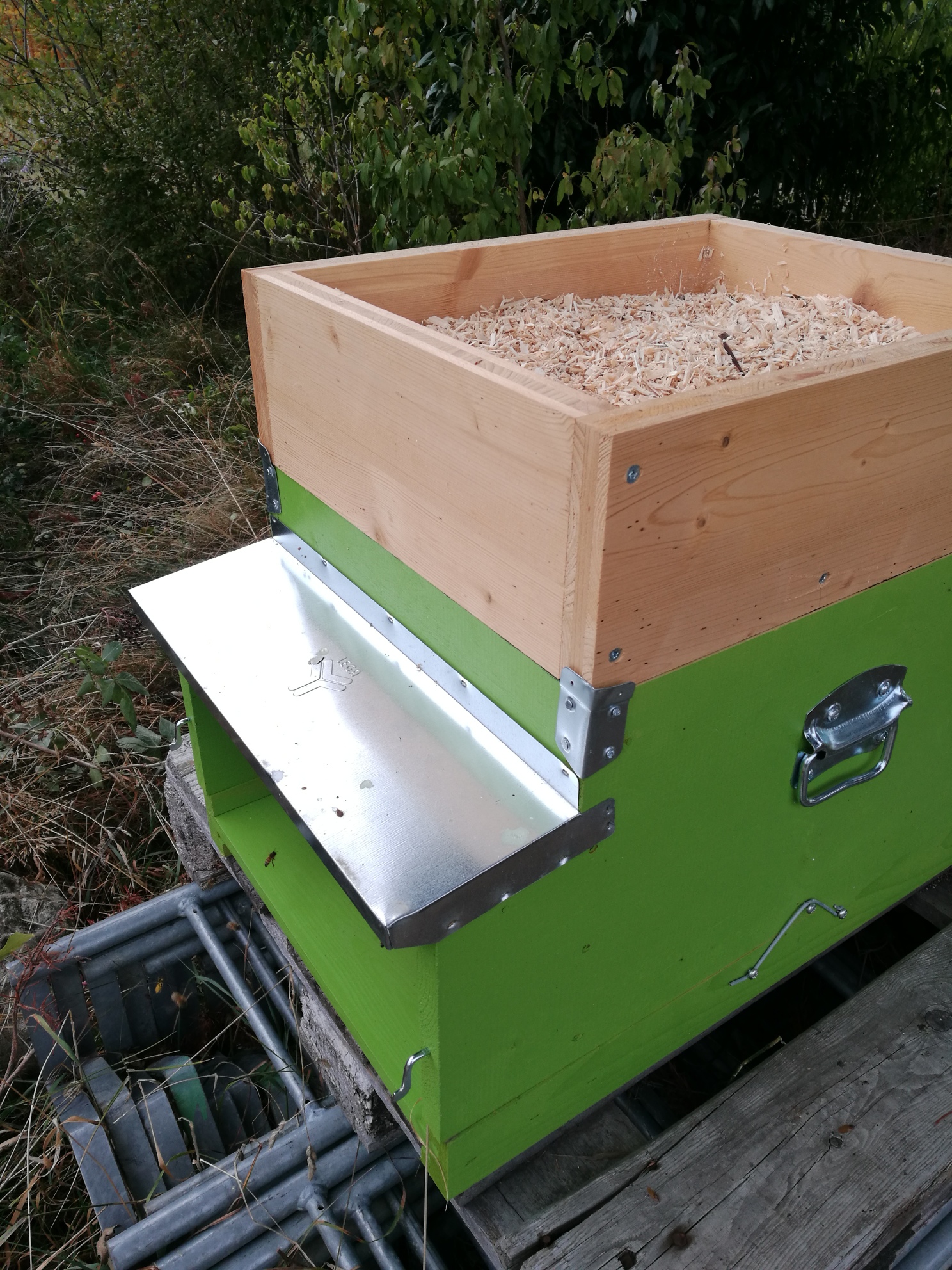
Dadant hive with a vapour-permeable lid
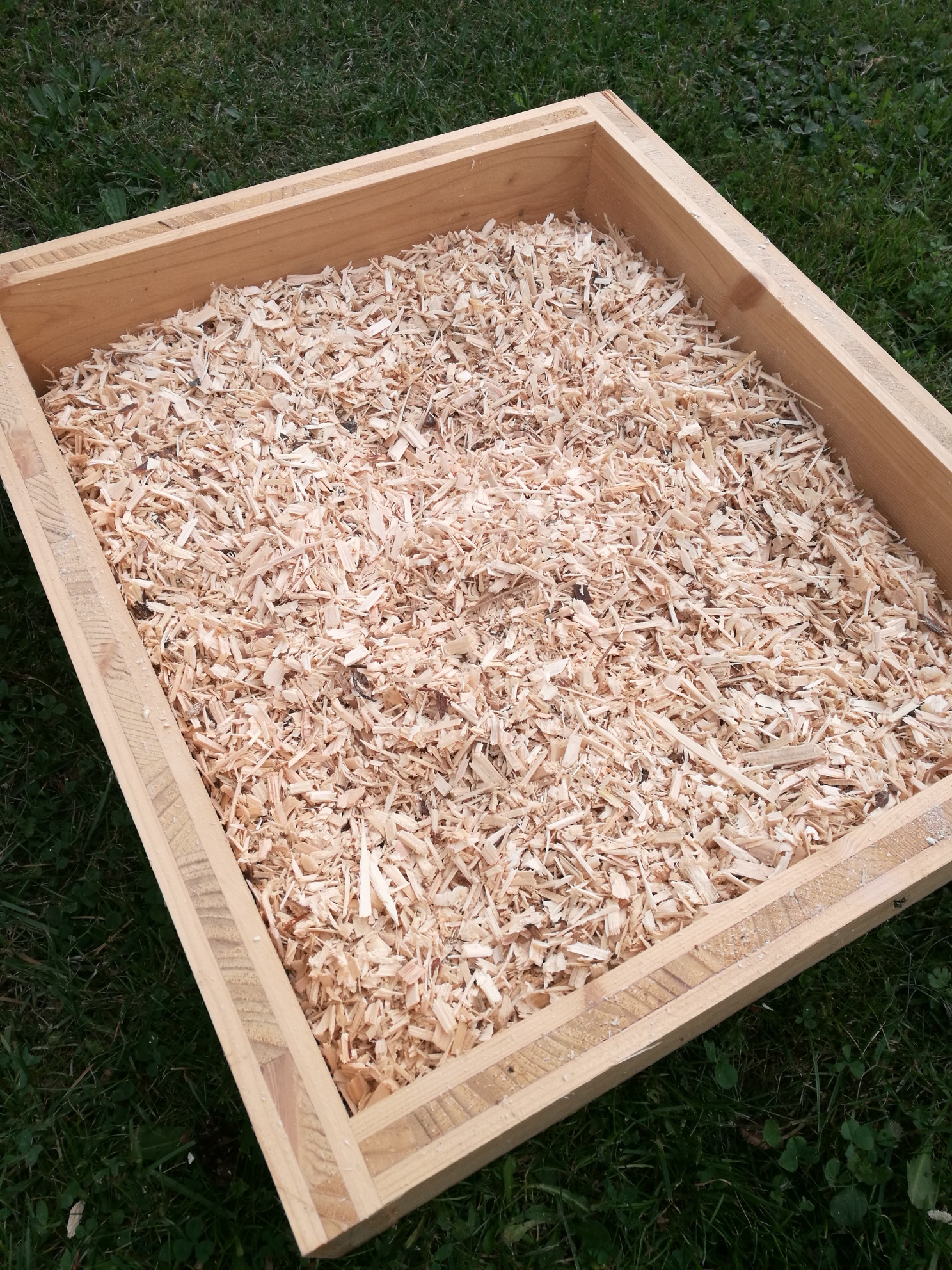
Warré quilt on Dadant, filled with wood shavings.
To prevent the bees from building up the quilt with propolis or wax, a fine-mesh mosquito net is placed directly over the brood chamber, as in traditional Warré beekeeping.
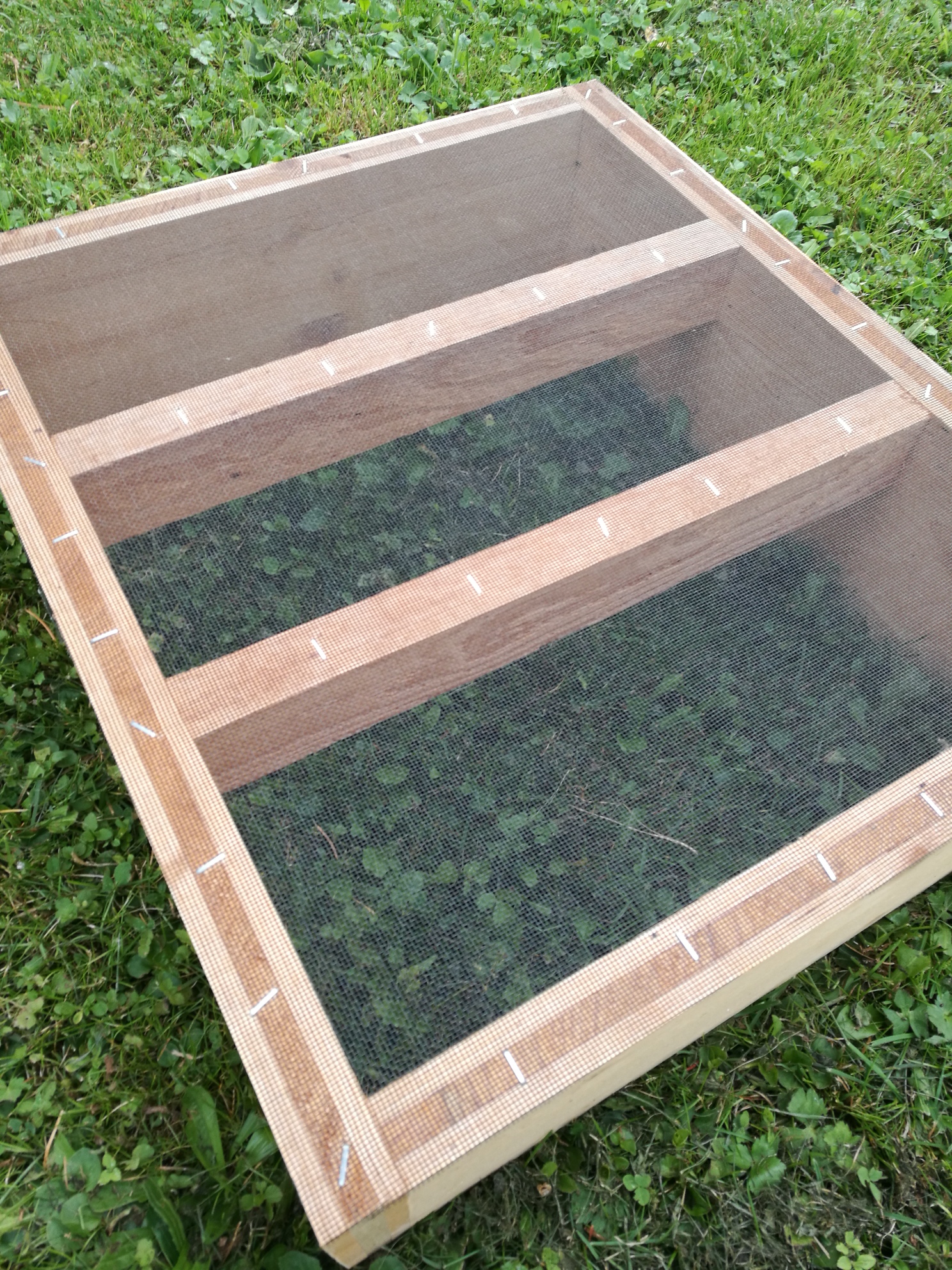
Warré quilt on Dadant, separated by a mosquito net.
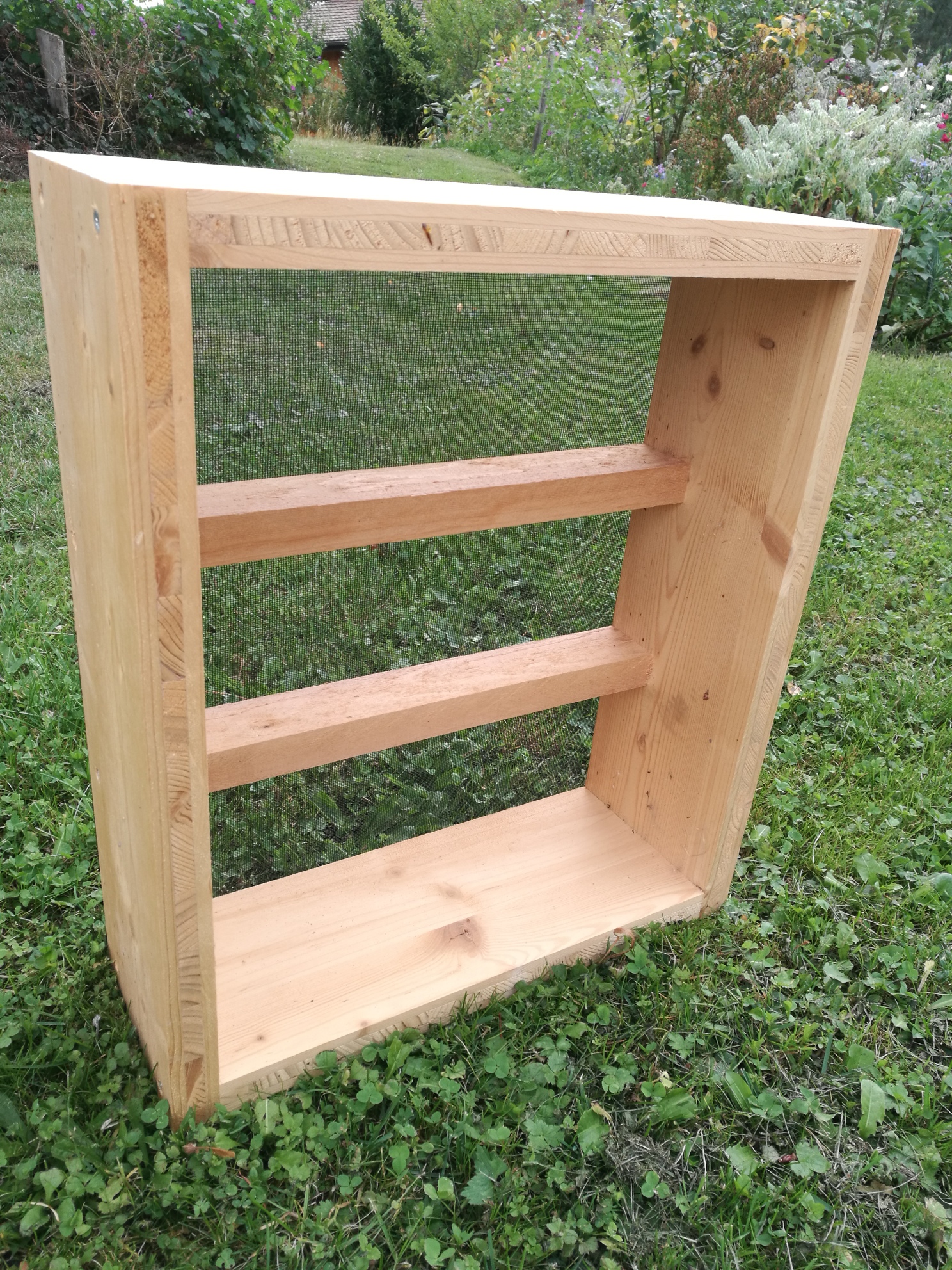
Warré quilt on Dadant, separated by a mosquito net.
For optimal moisture release upwards, there should be a small air gap between the quilt and the roof. This can be created, for example, with small branches or wooden strips.
Solid wood in the form of boards has only a very limited capacity to regulate moisture. Whether a wooden hive or a plastic hive: conventional hive systems often have elevated moisture levels, in both winter and summer.
In natural tree cavities, by contrast, moisture is absorbed and regulated through the end grain and the open pores of the trunk. The Warré quilt is a simple yet effective way to recreate these natural conditions as closely as possible in modern hive systems—for a healthier environment for the bees and more nature-based beekeeping.
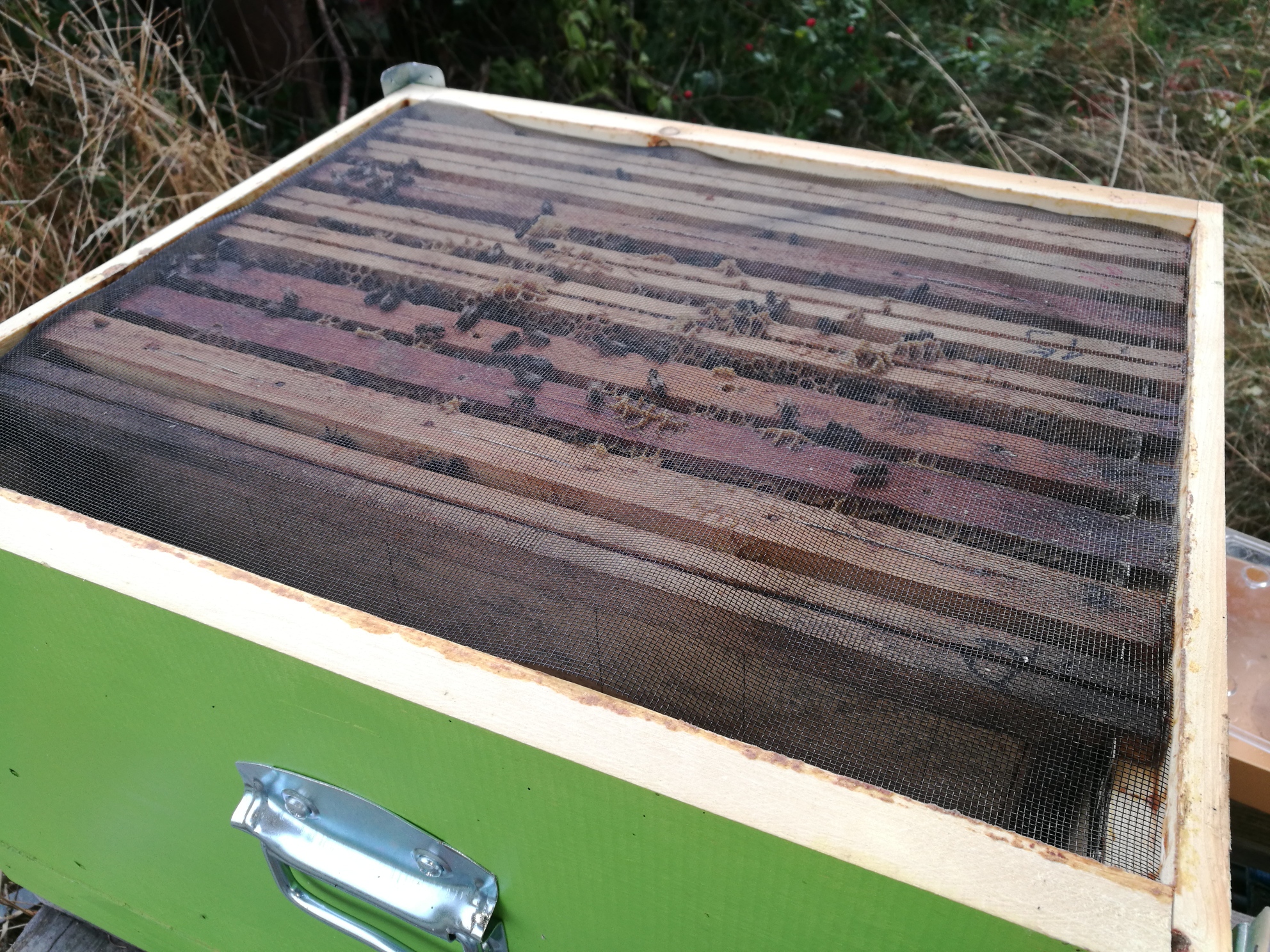
Dadant with a vapour-permeable Warré quilt
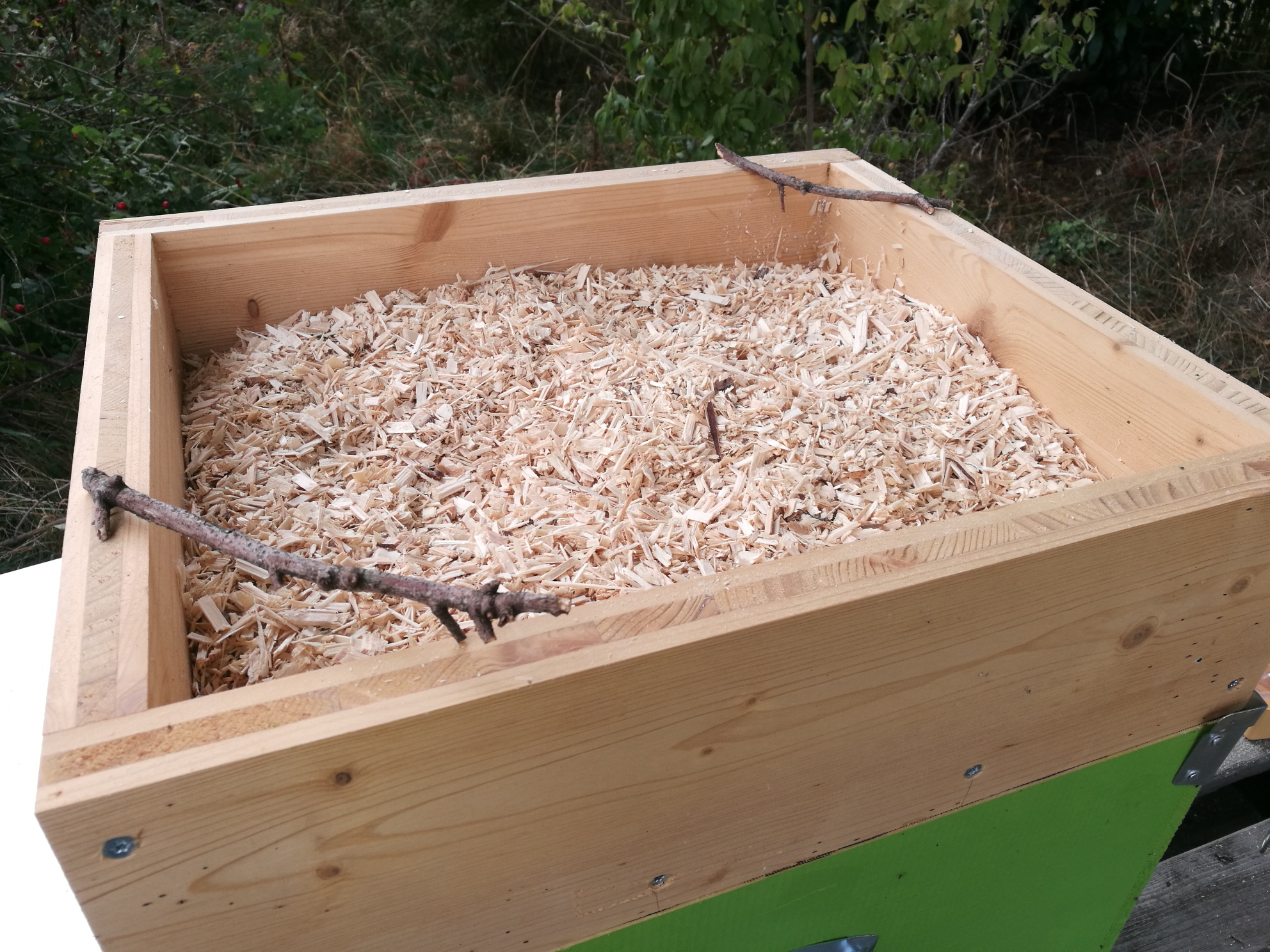
Ventilation gap on vapour-permeable Dadant hive
On 9 October, a class from Collège du Sud came on a school trip to our site in Vaulruz, right among the bees. The stu...
In our conference series “Bees Without Borders”, renowned bee scientist and breeder Dr. Ralph Büchler showed on 28 Oc...
“I observe how nature works” For over 15 years, Heinz Weder has been observing free-living honey bee colonies. He has...
Important information
Important information: The original texts are published in German. The French, Italian and English versions are translated automatically and checked where possible. Please report any errors to bee@freethebees.ch.