Wild bees and honey bees both belong to the native bee population. The honey bee is also a wild bee. The question, therefore, is not whether they can coexist in principle. The decisive question is rather: under what conditions is coexistence possible?
Where honey bee colonies occur at natural densities, coexistence is part of a functioning ecosystem. Problems arise where people use intensive beekeeping to create locally very high honey bee densities. This then throws food resources, space and disease dynamics out of balance.
Data for Switzerland show that the average colony density is already very high in some cantons and years. However, even more important than these averages are the local densities at specific sites. This is precisely where the greatest pressures arise.
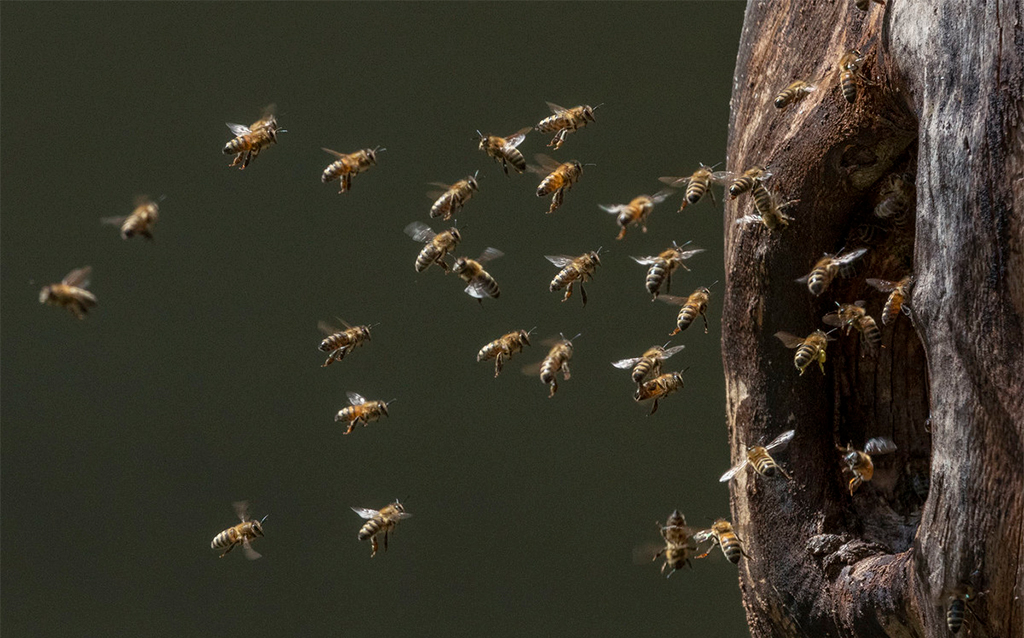
Intact natural areas: 1 – 5 colonies / km2
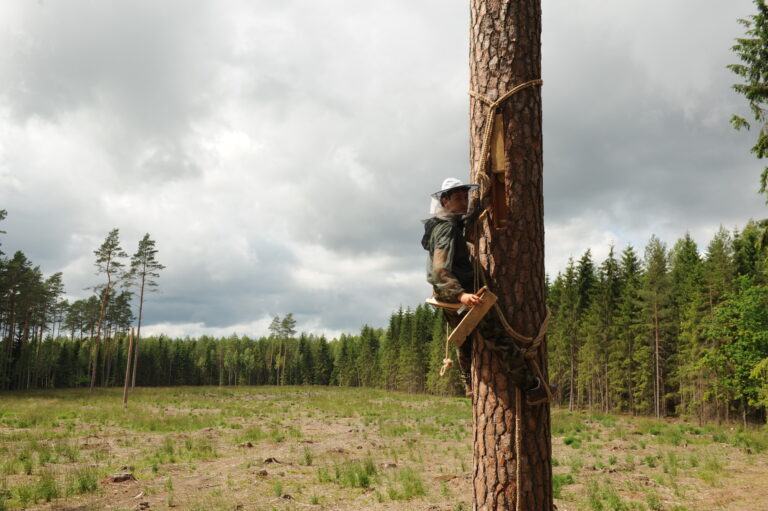
Currently living wild: 0.1 colony / km2
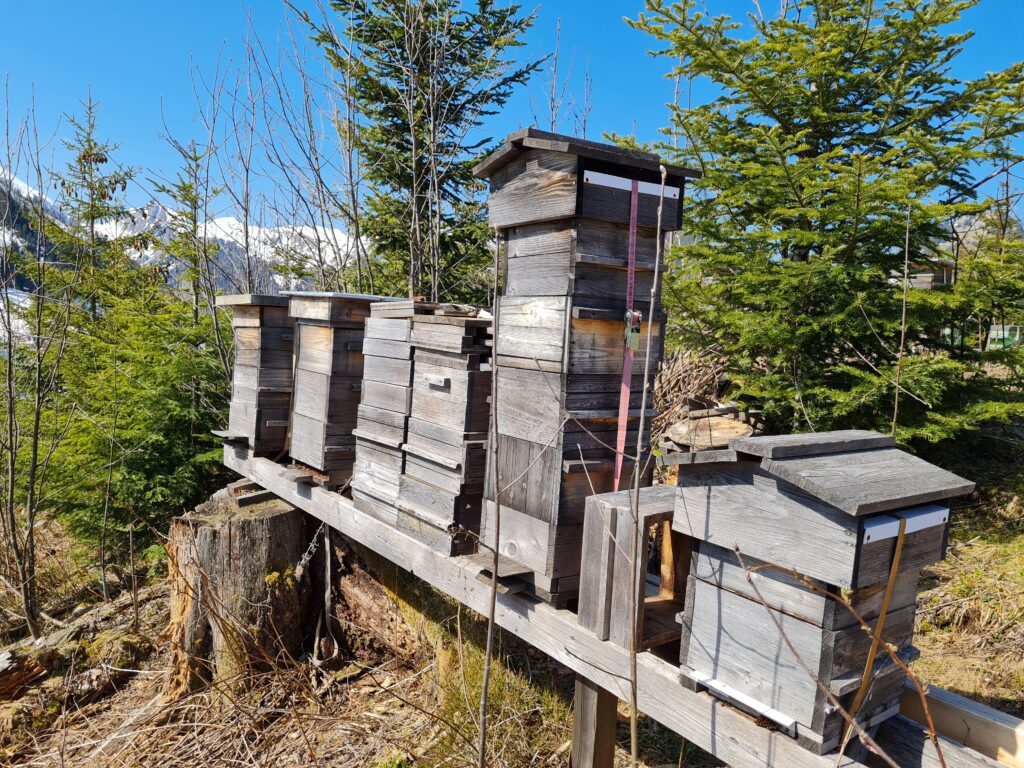
Beekeeping in Romandy: 10 – 20 colonies / 20 km2
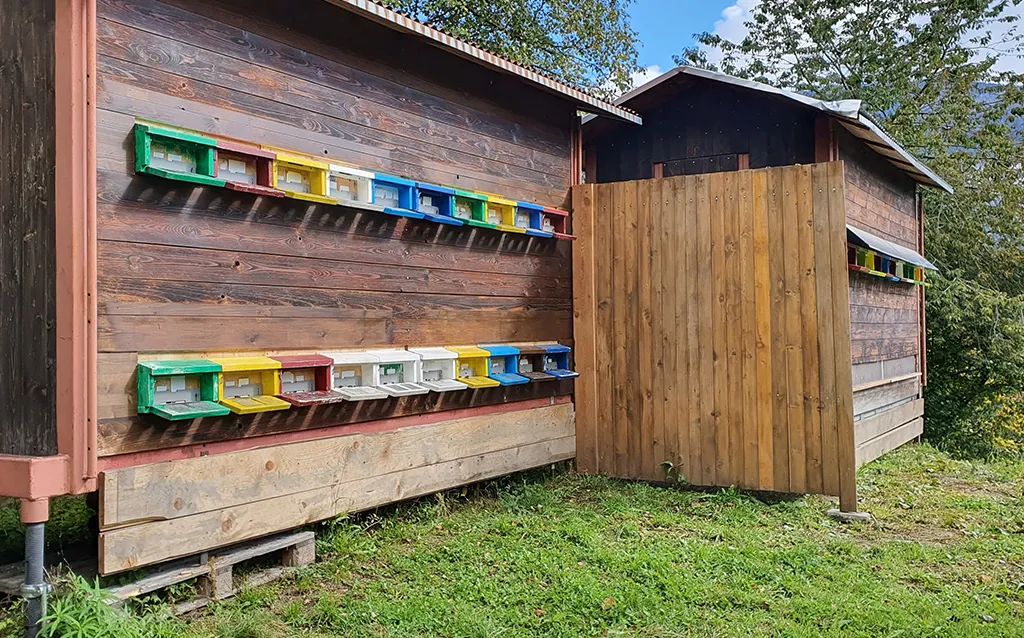
Beekeeping in German-speaking Switzerland: 10 – 20 colonies / 3 km2
Bee density figures are usually calculated over the entire area of Switzerland. This creates a distorted picture: around 4% of the country’s area consists of bodies of water, and a further 38% or so lies above 1,600 m above sea level, where honey bees cannot live permanently. This means that only about 58% of the country’s area is actually usable.
As a result, the actual bee density is considerably higher than the averages suggest. At the same time, bee colonies are not distributed evenly, but are highly concentrated in certain places – especially in cities, urban areas and intensively farmed agricultural regions.
FreeTheBees therefore does not criticise the raw data itself, but rather its oversimplified interpretation. The figure “colonies per km²” says little about the actual ecological pressure on a habitat if factors such as flower abundance, forage gaps or competition with wild pollinators are not taken into account.
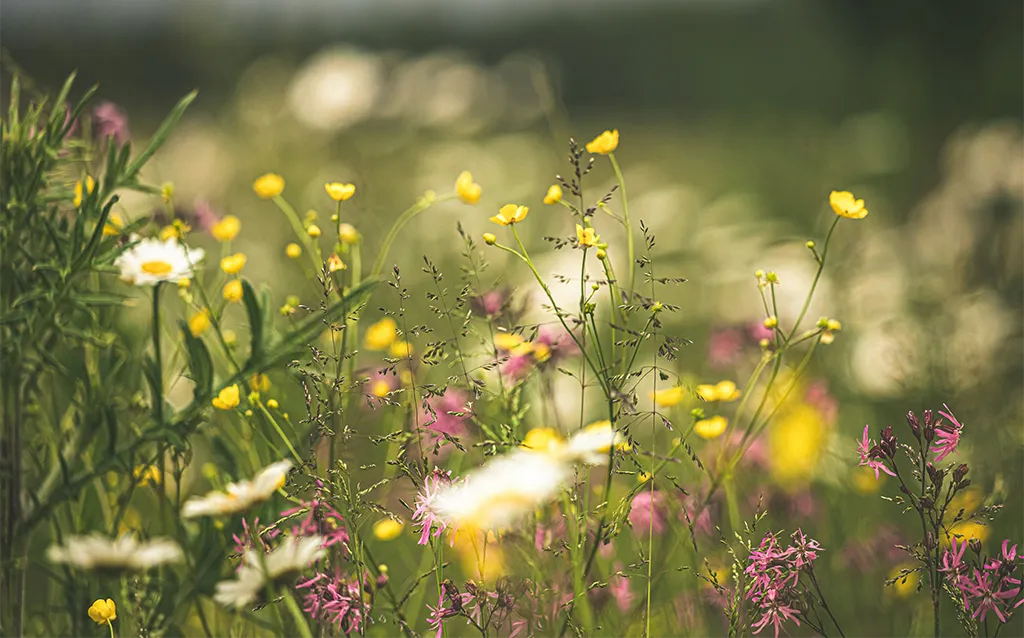
In many places, wild bees and honey bees use the same floral resources. The more honey bees are concentrated at a site, the greater the pressure on nectar and pollen. This particularly affects landscapes that are already flower-poor, have gaps in forage availability, or where rare wild bees depend on specific plants.
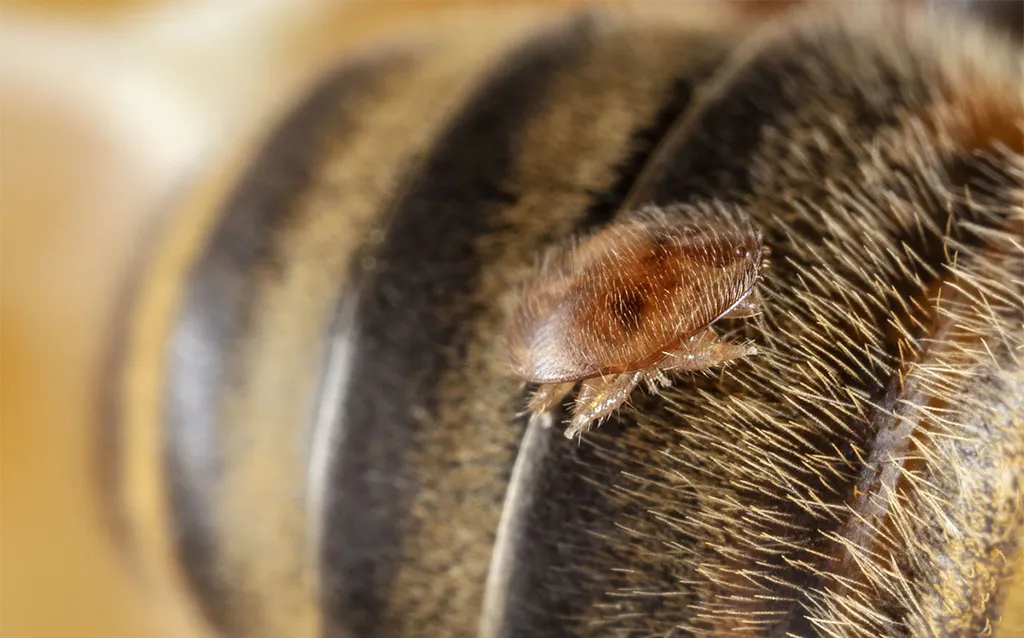
Where many honey bee colonies are clustered close together, drifting, robbing and contact between colonies increase. This also creates more pathways for the transmission of parasites and pathogens. There is a second problem, too: diseases do not necessarily remain within honey bees. Cases of diseases and parasites being transmitted from honey bees to wild bees have been reported.
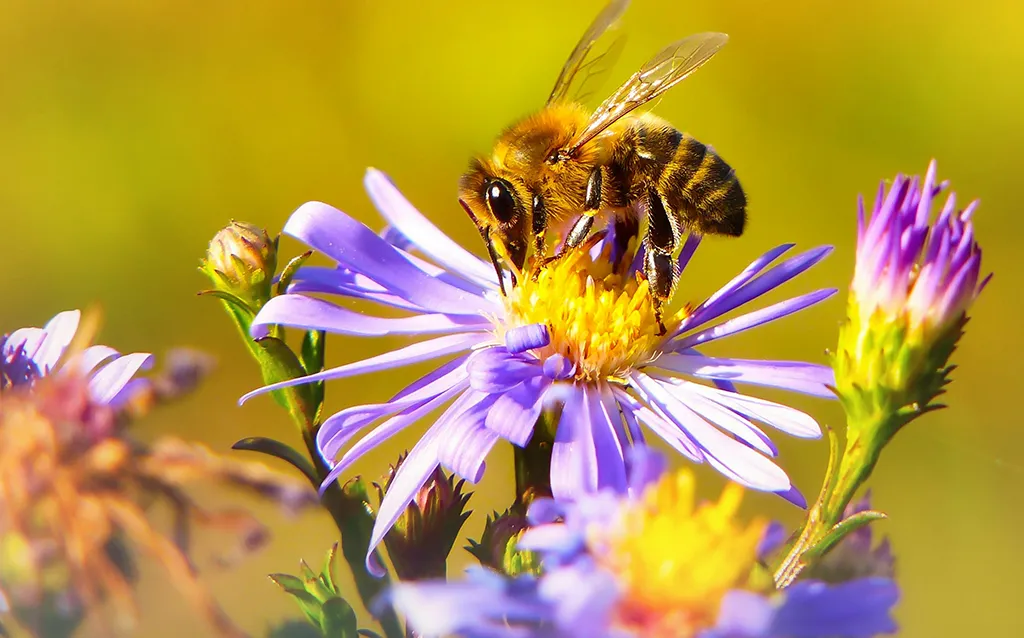
Competition disrupts the ecological balance and potentially reduces biodiversity. More honey bees do not automatically mean better nature conservation. And in cities in particular, adding more bee colonies, as well-intentioned urban beekeepers do, is counterproductive and restrictive.
Reduce honey bee densities: Not every site can support any number of colonies. Before establishing new colonies, we should ask whether the flower supply, existing pollinator fauna and local carrying capacity can support them at all.
Consider wild bees first: In ecologically sensitive areas, the protection of specialised wild bee species should take priority.
Improve habitats: Greater flower diversity throughout the season and more nesting structures benefit both groups – wild bees and wild-living honey bees.
Nature-oriented rather than maximally intensive beekeeping: Pollination services matter more than maximising honey production, and they can be provided in a more nature-oriented way than through conventional honey beekeeping practices.
We recognise the importance of both wild bees and the honey bee as a native wild animal. However, coexistence is only possible if we respect ecological limits. That is why we work towards:
FreeTheBees does not advocate further bans and regulations. Instead, we promote transparency, the development of knowledge and awareness, and well-designed incentive systems. Because genuine bee conservation does not mean placing as many honey bee colonies as possible in a small area, but shaping habitats so that wild bees and honey bees can coexist in the long term.
On 9 October, a class from Collège du Sud came on a school trip to our site in Vaulruz, right among the bees. The stu...
In our conference series “Bees Without Borders”, renowned bee scientist and breeder Dr. Ralph Büchler showed on 28 Oc...
“I observe how nature works” For over 15 years, Heinz Weder has been observing free-living honey bee colonies. He has...
Important information
Important information: The original texts are published in German. The French, Italian and English versions are translated automatically and checked where possible. Please report any errors to bee@freethebees.ch.