The bee habitat is of particular importance. Habitats directly affect the health, adaptability and resilience of bee colonies. In beekeeping, they determine yield and ease of use. Biology and species conservation are in tension with beekeeper convenience and economic viability.
The bee habitat is chosen according to the beekeeping or bee husbandry method, not the other way around. For example, a Swiss hive (Bürki system) is ideally suited to the commercially oriented production of honey in a Swiss beekeeping house. Even more extensive methods are rather cumbersome in a Swiss hive; hive systems such as Dadant, which are predominant in French-speaking Switzerland, are better suited to these methods. Natural beekeeping is simply impossible with such systems. For this, beekeepers can, for example, use hives based on those developed by Emile Warré. Those who want something even more natural can choose SwissTrees, all kinds of straw hives, log hives, terracotta, and other systems. The most natural of all habitats, and the one that most closely resembles a tree cavity, is undoubtedly the tree beekeeper’s hollow in a living tree, based on the practices of medieval beekeepers.
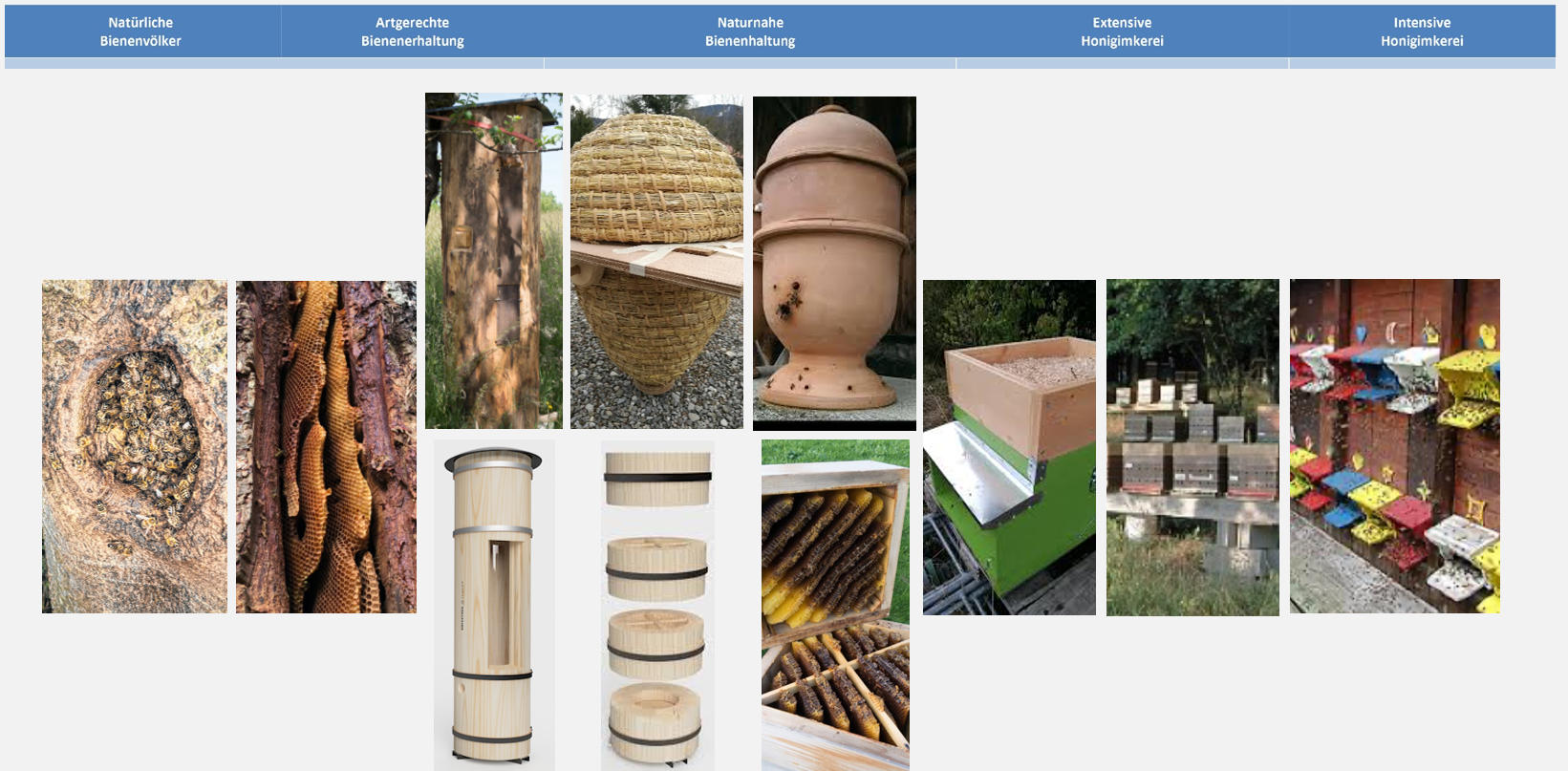
Overview of bee habitats and beekeeping methods according to FreeTheBees
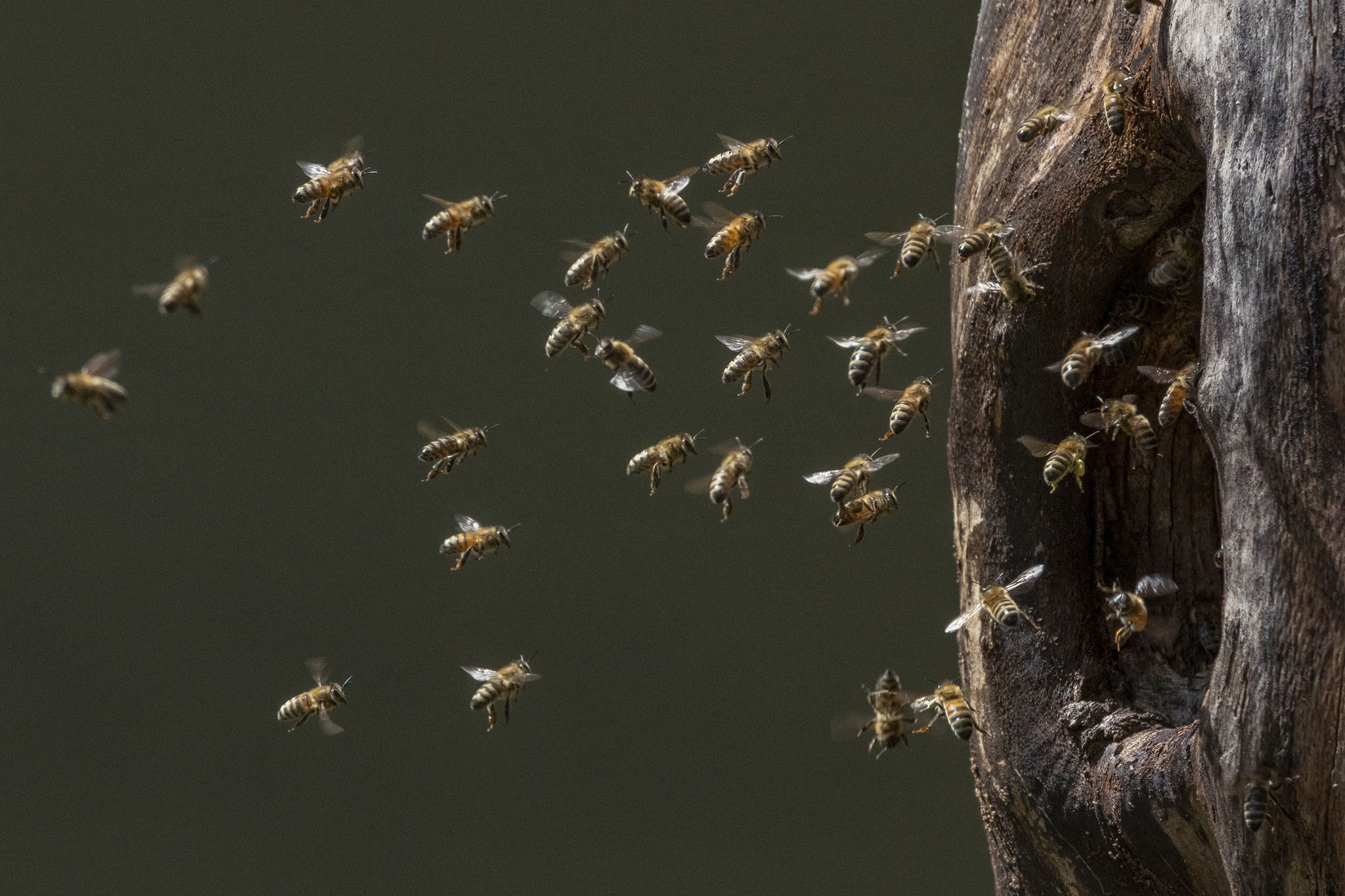
The natural tree cavity is undoubtedly the most natural and best habitat for honey bees…
More about Forests and Tree Cavities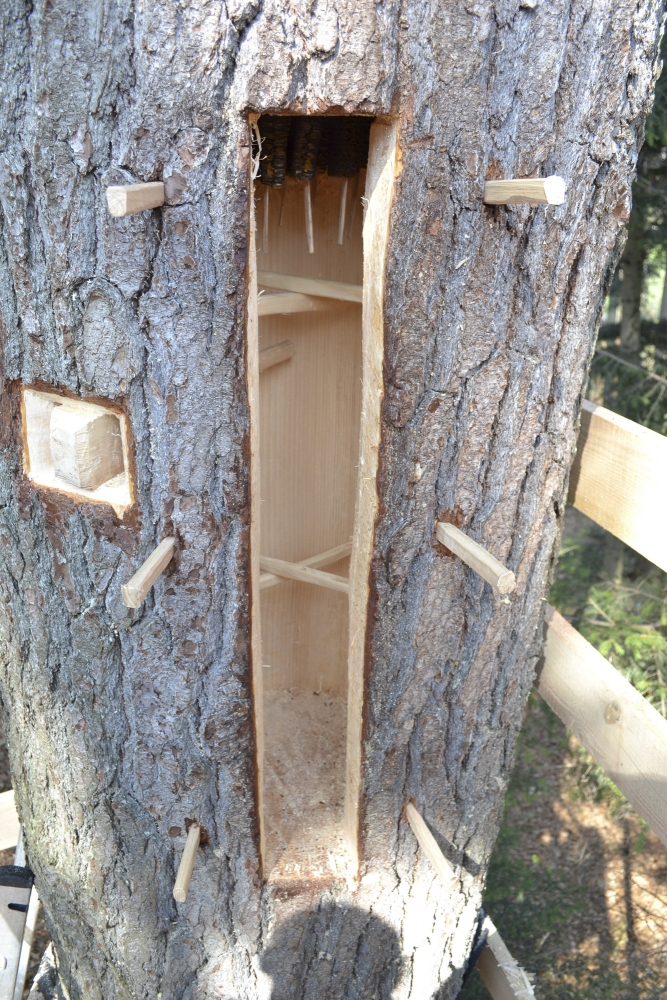
Based on medieval beekeeping, the tree beekeeper's hollow is currently the most natural habitat we…
Tree Beekeeper Hollows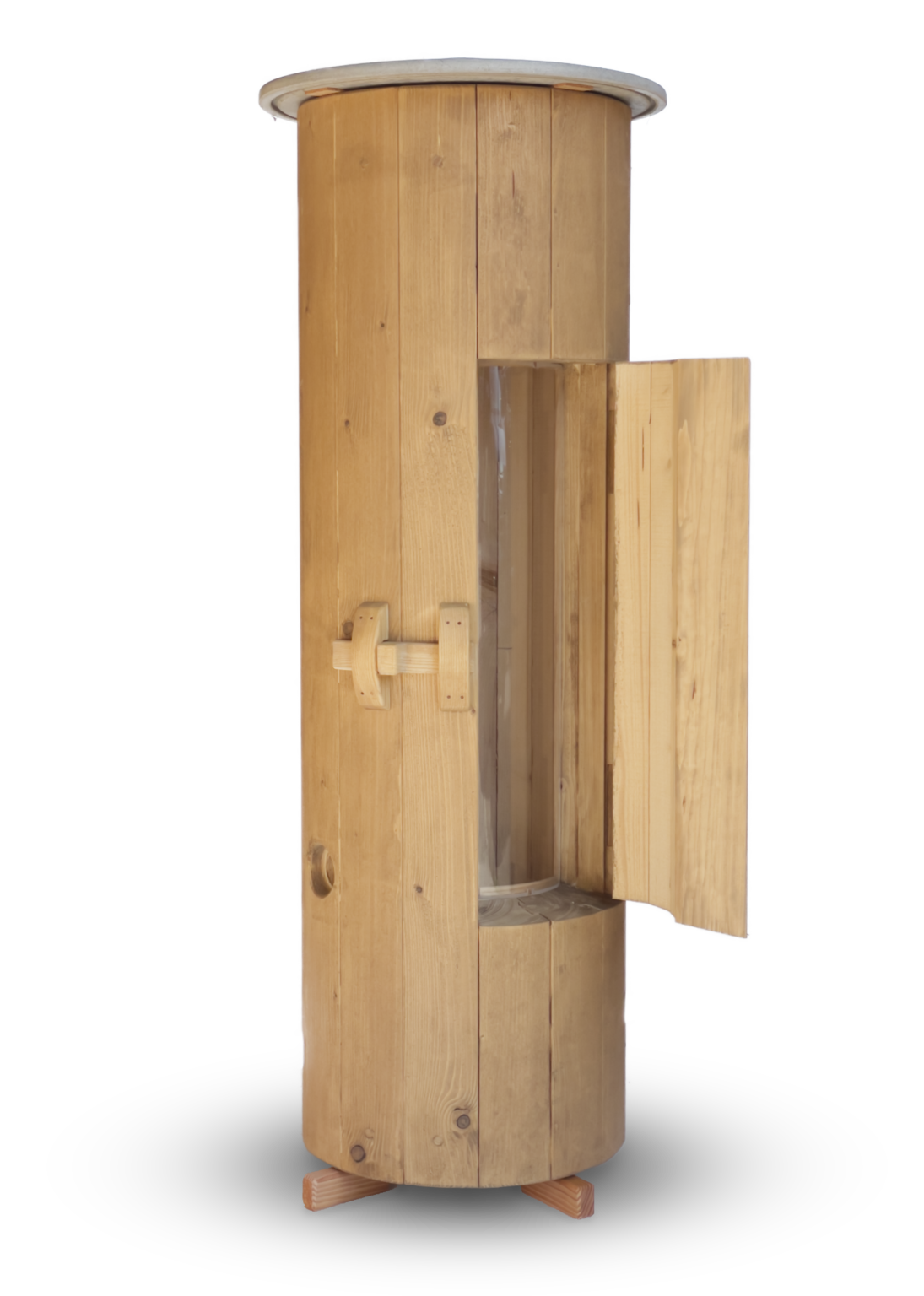
With the SwissTree, we can offer bees a very natural habitat made in a carpenter's…
SwissTree Bee Trees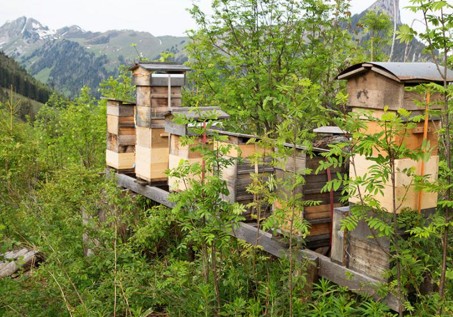
Emile Warré hives are ideal for natural beekeeping, securing pollination services and propagating bees through…
Warré Construction Guide
Slightly modified Dadant hives (e.g. with a vapour-permeable lid) are ideal for extensive, chemical-free beekeeping.
Vapour-Permeable Dadant
The Swiss beehive in the Bürki system fits perfectly in a Swiss beekeeping house. Its…
Detailed page coming soon..A log hive is a bee dwelling hollowed out of a tree trunk and modelled on natural tree cavities. It is rooted in the historic craft of tree beekeeping, which was practised in Central Europe for centuries. FreeTheBees is reviving this tradition and promoting it as a bee-friendly alternative to conventional beehives.
The SwissTree is a modern imitation of a tree cavity that FreeTheBees is continually developing as a bee-friendly dwelling together with wood expert Willi Herzog. Unlike conventional beehives, the SwissTree provides a natural microclimate thanks to its excellent insulation, like the one bees know from tree cavities. This promotes the health and natural resilience of colonies.
The self-proclaimed SchifferTree was developed through co-creation between Torben Schiffer (Beenature Project), Willi Herzog (wood expert), André Wermelinger (founder of FreeTheBees) and Dr Emanuel Hörler (then scientific advisor to FreeTheBees).
Tree beekeeping is the traditional craft of forest beekeeping, in which honey bees are kept in hollowed-out cavities high up in living trees. Tree beekeeping was widespread in Central Europe for centuries and is still practised in Eastern Europe today. FreeTheBees brought this centuries-old knowledge back to Central Europe. From Poland to Switzerland, and from Switzerland on to Germany, England, Luxembourg and many other countries. This was done, among other things, through training courses, workshops and today also through the discovery trail in Vaulruz.
On 9 October, a class from Collège du Sud came on a school trip to our site in Vaulruz, right among the bees. The stu...
In our conference series “Bees Without Borders”, renowned bee scientist and breeder Dr. Ralph Büchler showed on 28 Oc...
“I observe how nature works” For over 15 years, Heinz Weder has been observing free-living honey bee colonies. He has...
Important information
Important information: The original texts are published in German. The French, Italian and English versions are translated automatically and checked where possible. Please report any errors to bee@freethebees.ch.