
In our two-day course in ecological beekeeping, you will learn to understand the honeybee and develop a beekeeping practice that meets its needs. The course takes place at the Cabane des Tourbières in Vaulruz. David Mérino-Rigaill from Permaterra will show you how to keep bees in ecological hives, intervene less often and strengthen the long-term health of your colonies.
Date: Saturday and Sunday, 3–4 April 2027
Time: 9 am to 5 pm each day
Location: Cabane des Tourbières, 1627 Vaulruz
Language: French
Course instructor: David Mérino-Rigaill, Permaterra
Participants: minimum 10, maximum 15 people
Prerequisites: none
Meals: Mineral water and coffee provided. Lunch (soup or salad and a hot meal) can be reserved for CHF 20, or you can bring your own picnic.
Price: CHF 450, deposit of CHF 150 payable upon registration
REGISTER NOW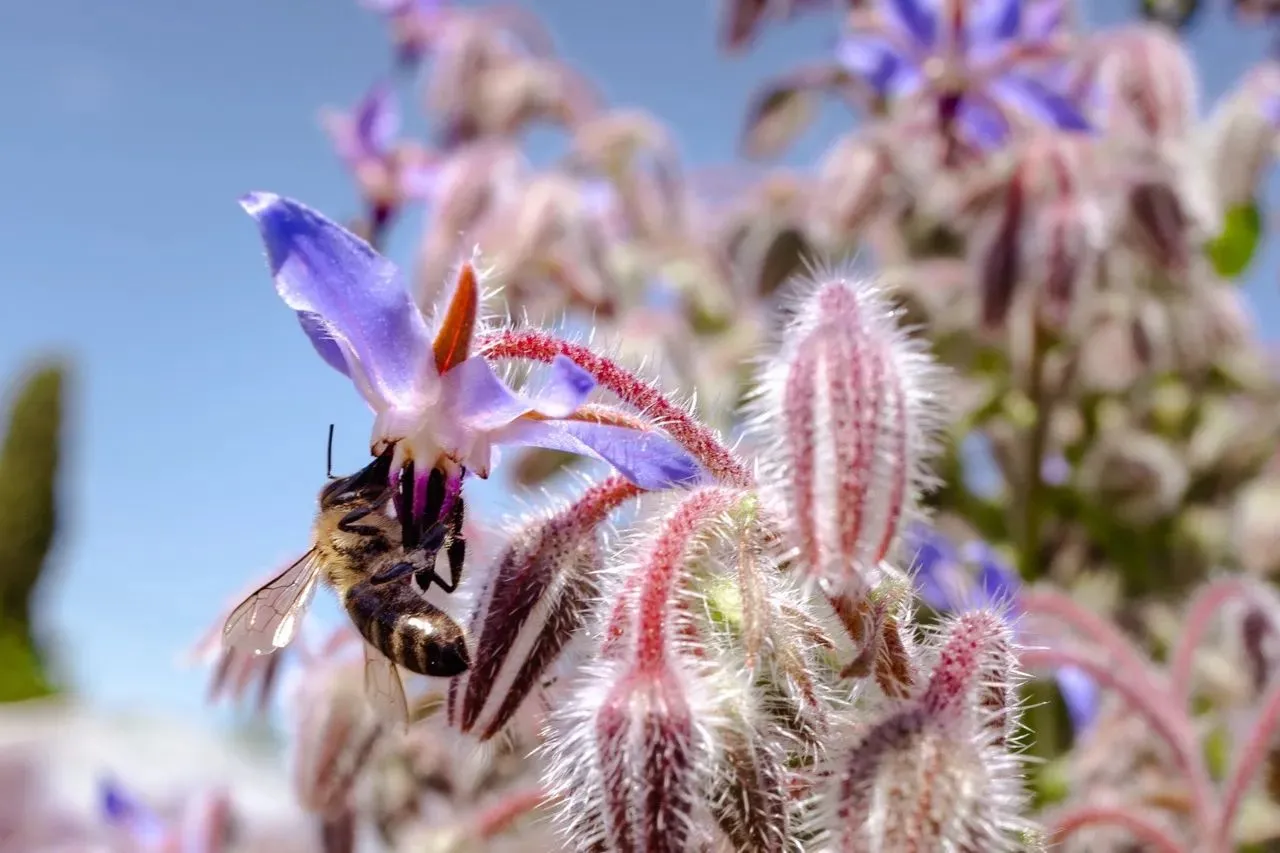
After the course, you will be able to:
You do not need a large apiary or a long list of equipment to get started. Ecological beekeeping relies on careful observation rather than lots of tools. A few hives, common sense and a good understanding of the bee colony are enough to build a lasting practice.
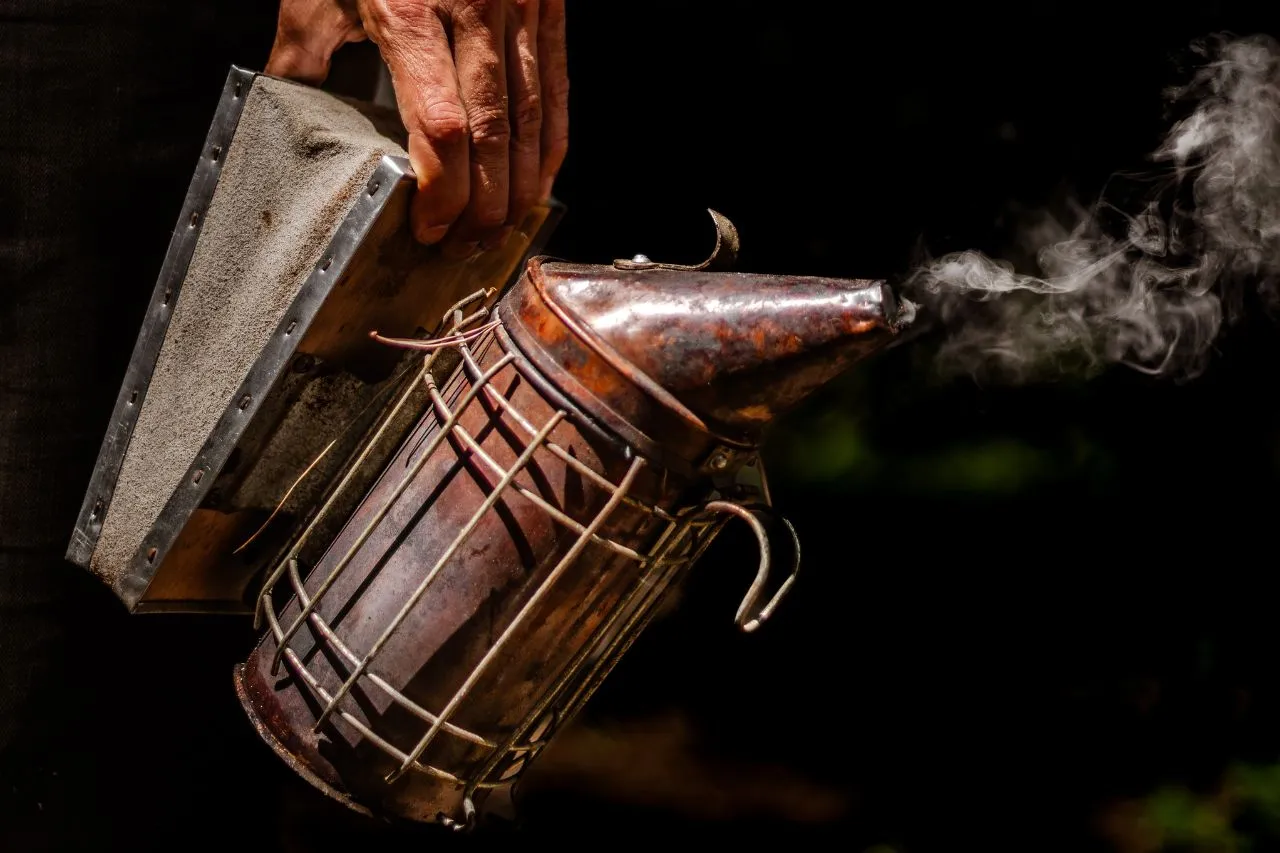
Most harm to a bee colony is caused with the best of intentions. Opening the hive too often, too early or for too long disturbs the colony, and the bees pay the price. Before every intervention, ecological beekeeping asks a simple question: Am I intervening for the bees, or to reassure myself? The honest answer is often surprising, especially at first.
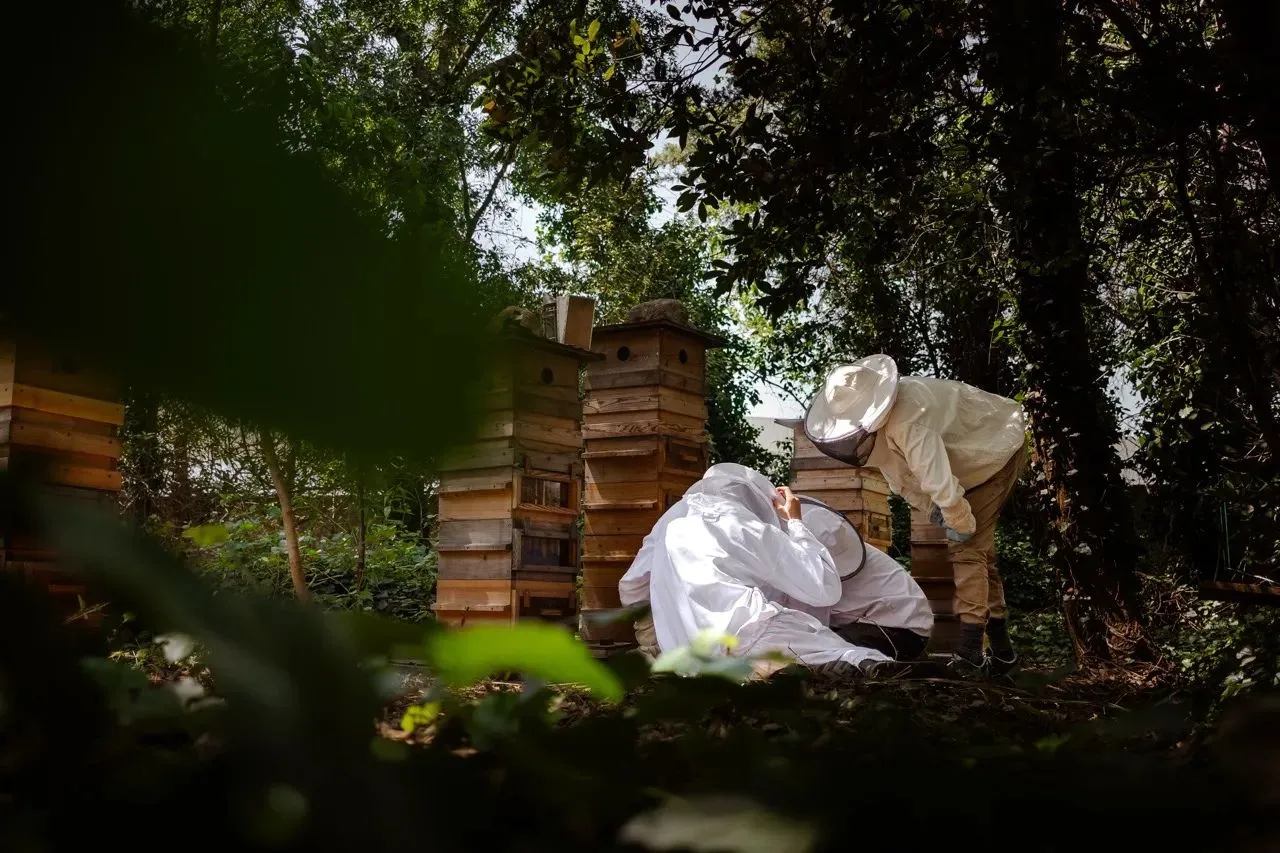
A queen often mates several kilometres from her hive. A swarm carries pathogens and genetic material into the surrounding area. What happens at a neighbouring beekeeper’s apiary affects you directly. Ecological beekeeping takes this biological reality into account and raises questions that are often overlooked in conventional beekeeping.
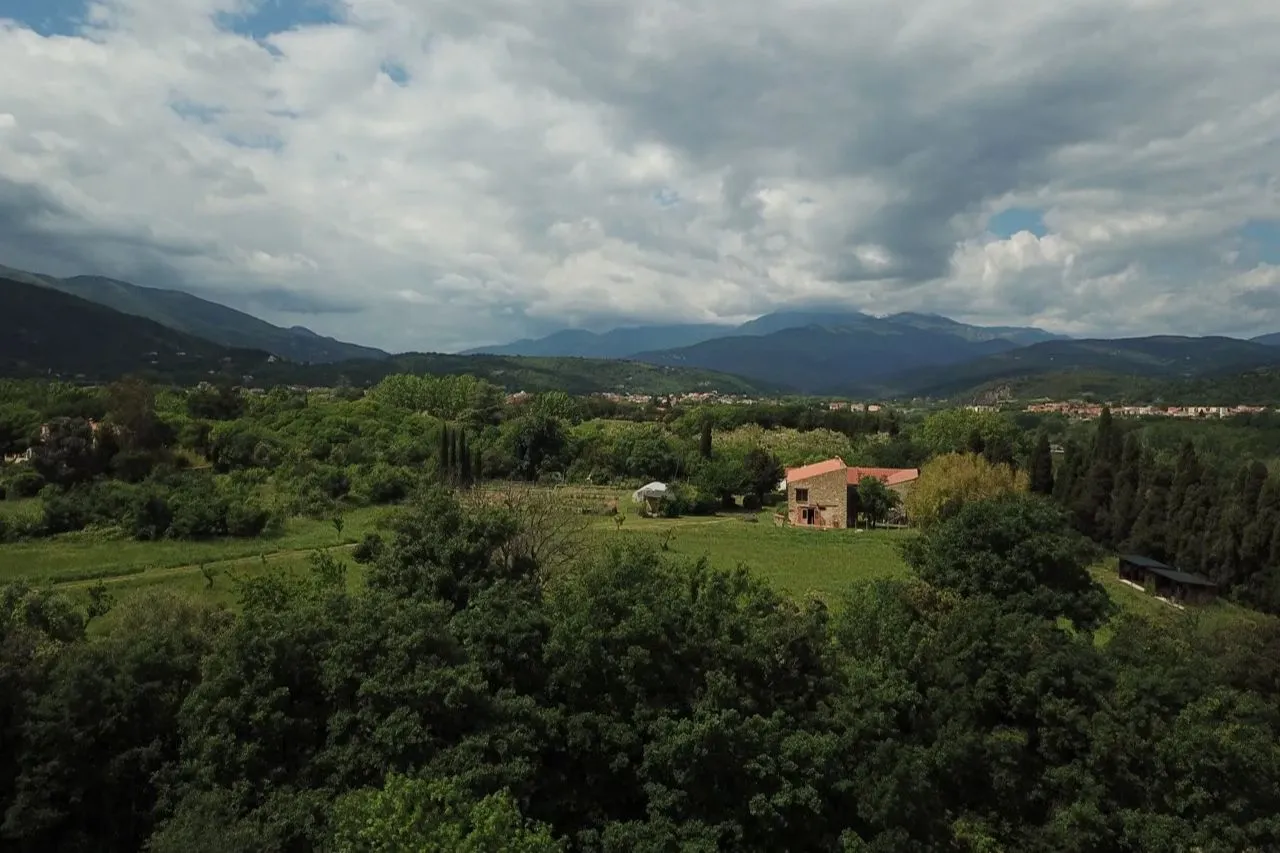
Not every bee is equally well suited to your location. A bee that has adapted over thousands of years to a region’s climate, plants and pathogens cannot simply be replaced with a breed imported for its yield or gentleness. Many beginners are unaware of this. It is one of the most important factors in the long-term health of colonies. Find out more in the article Varroa resistance through selection.
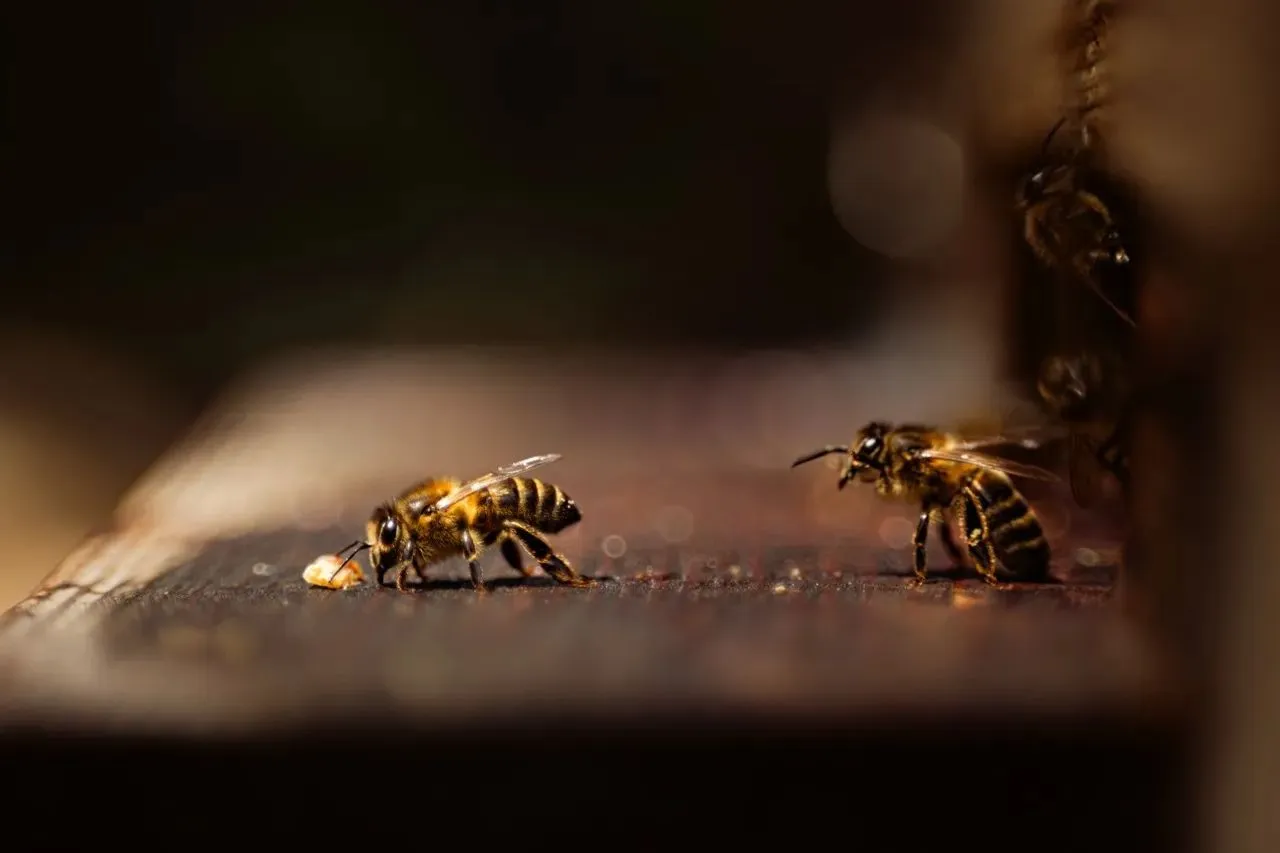
Ecological beekeeping is also defined by what it avoids. Some common practices weaken colonies over the long term, for clear biological reasons. Others may seem logical from a production perspective but harm bee health. Understanding why you should refrain from doing something often teaches you more than any practical task.
The costliest mistakes in beekeeping usually stem from misjudging the situation. Activity at the hive entrance, a smell, the behaviour of foragers at a particular time of day: every sign tells you something. Learning to read these signs helps you intervene less often and more precisely. This ability to observe is the most important skill the course teaches.
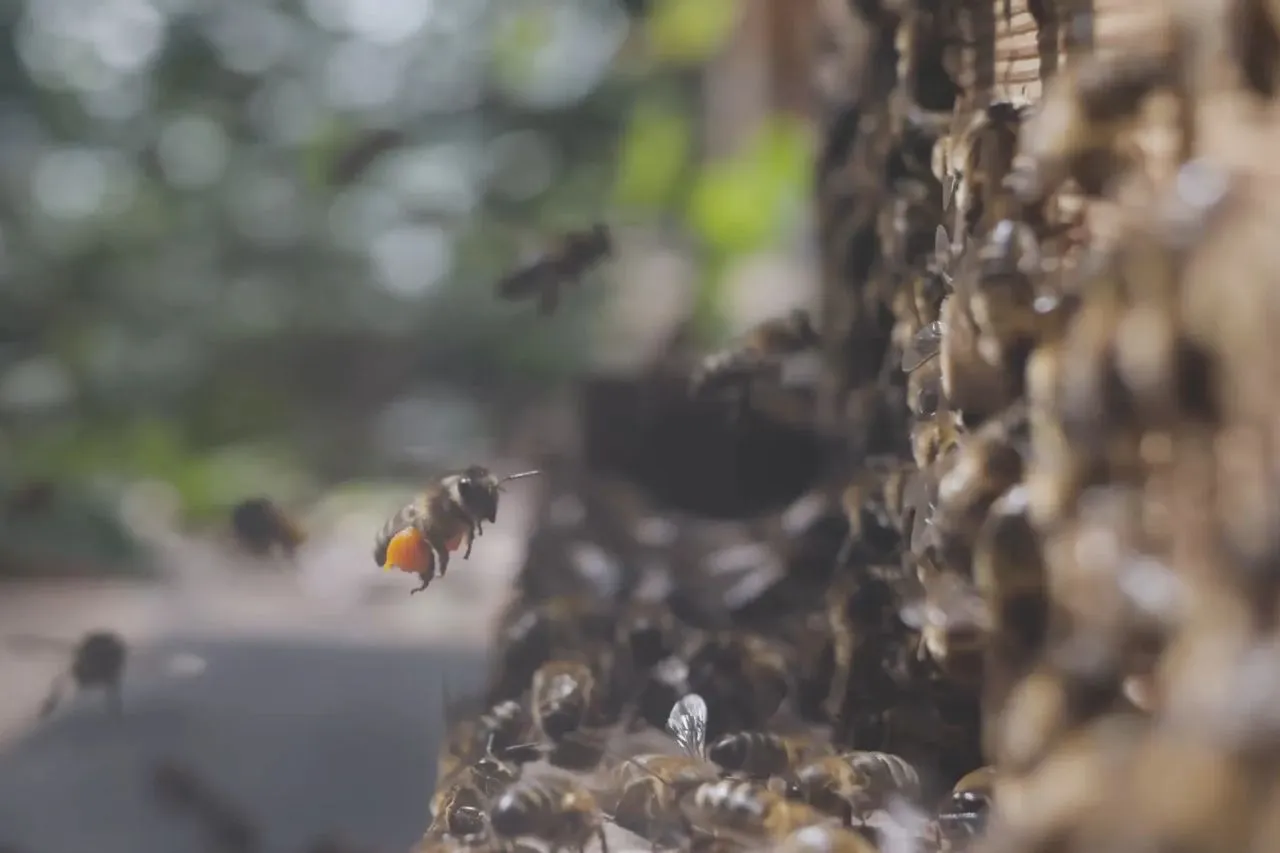
The first honey harvest is a milestone. A bee colony develops over several years, resistance to parasites emerges across generations, and trust between the beekeeper and the colonies grows slowly. The course does not promise quick results. It gives you the foundations to make your beekeeping practice more robust in five years than it is today.
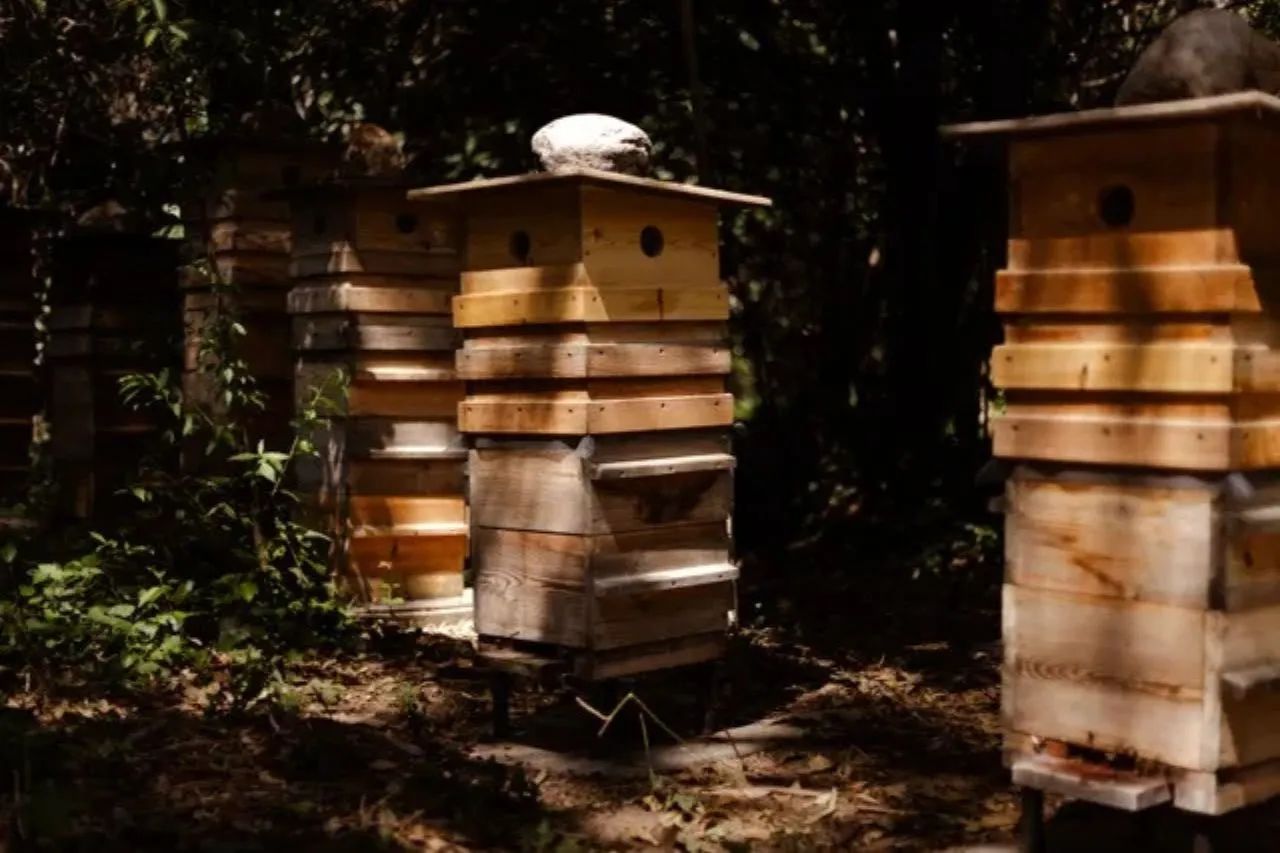
For individuals and professionals who want to start beekeeping simply and ecologically, or adapt their existing beekeeping practice. The focus is on natural processes within the bee colony and the protection of bees. No prior knowledge is required.
Not sure which hive is right for you? During the course, you will learn about different models and can decide at your leisure afterwards. For an initial overview, visit our knowledge page Housing.
MODULE 1
Objectives: understand how a bee colony lives in the wild, the needs of individual bees and the colony, and what causes colonies to die.
Topics:
MODULE 2
Objectives: understand how to set up and manage an ecological hive, maintain colony health over the long term, place a hive in compliance with regulations and harvest honey simply.
Topics:
MODULE 3
Objective: manage diseases and pests appropriately.
Topics:
MODULE 4
Objective: manage an ecological hive throughout the year using the right tools.
Topics:
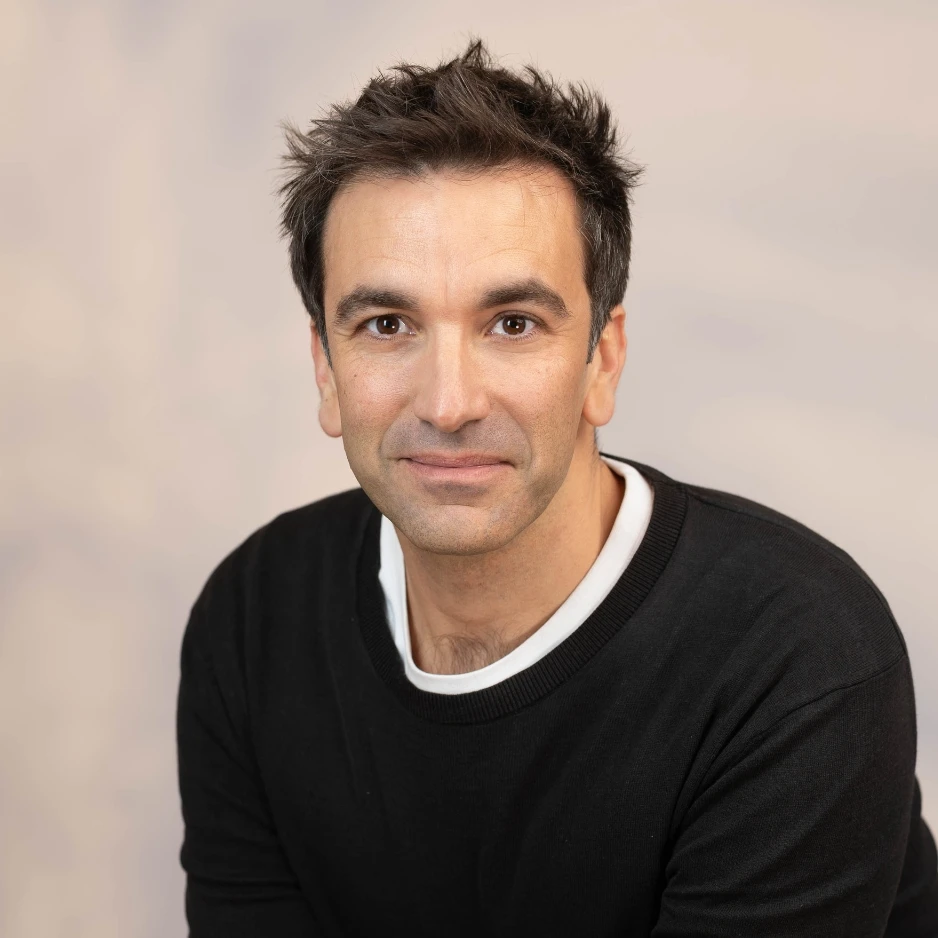
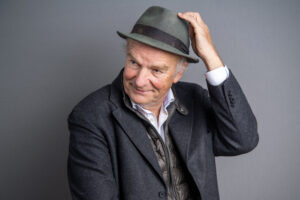
David Mérino-Rigaill is co-founder and director of Permaterra and Mas Alavall, a training and experimental farm in Céret in the French Eastern Pyrenees. He grew up in this area between the sea and the mountains.
Since 2012, he has developed and led courses in regenerative agriculture, permaculture and landscape design, attended by several thousand people. His work is based on looking at the ecosystem as a whole: climate, soils, plants, animals and people. Among other things, he draws on the planning methods of Darren J. Doherty, who further developed P. A. Yeomans’ Keyline design.
In ecological beekeeping, he combines the knowledge of many specialists he has met with observations of wild bee colonies. His aim is to make practical knowledge accessible without oversimplifying the complexity of living systems.
In 2025, David Mérino-Rigaill was already a guest in our conference series “Bees without Borders”. You can watch his talk in advance on YouTube.
The course costs CHF 450. If you would like to reserve lunch for CHF 20, please note this in the comments field. A deposit of CHF 150 is payable upon registration. Places are limited. Register using the form below, and we will confirm your registration by email.
Photos: Myriam Boye, Permaterra

Günther W. Amann-Jennson: The Sleepless Bees – What if they can no longer sleep properly either? “Bees Without Borde...
Martin Ott: Spectacular similarities, surprising contrasts in the evolution of bees and humans “Bees Without Borders”...
Dr. Ralph Büchler: Sustainable selection as an essential aspect of natural beekeeping “Bees Without Borders”: Online ...
Important information
Important information: The original texts are published in German. The French, Italian and English versions are translated automatically and checked where possible. Please report any errors to bee@freethebees.ch.
