
News
Categories
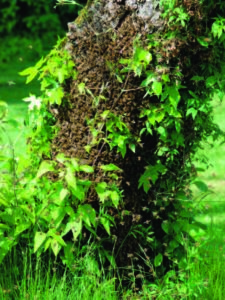
Balance between Bees and Varroa Mites
Balance between Bees and Varroa Mites John Gareth’s experience managing bees without treating them for Varroa mites, ...

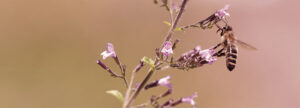
It is possible to breed bees resistant to Varroa mites
It is possible to breed bees resistant to Varroa mites by Joe Bleasdale Bleasdale got his first bees in 1979. ...
“See for yourself what happens if you don’t treat.”
“See for yourself what happens if you don’t treat.” A call to beekeepers to take responsibility for managing the Varr...
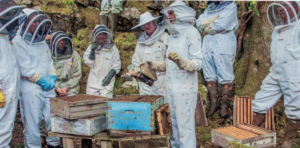
Swiss Beekeepers’ Travel Report
Swiss Beekeepers’ Travel Report Beekeepers’ trip to England with 14 participants A group of 14 beekeepers from all ov...
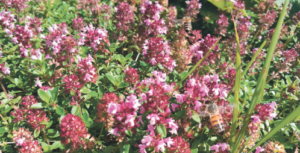
Nectar and pollen shortage – why bees are going hungry
Nectar and pollen shortage – why bees are going hungry See Märt, October 23/24, 10th edition Increase biodi...
FREETHEBEES Bulletin No. 12
FREETHEBEES Bulletin No. 12 Download Focus: Non-treatment Fridolin Hess is one of the beekeepers in Switzerlan...
European foulbrood—and then what?
European foulbrood—and then what? A letter to the editor in Bienenzeitung 09/2019 by Christine Carigiet ...
Life-history traits of wild honey bee colonies living in forests around Ithaca, NY, USA
Life-history traits of wild honey bee colonies living in forests around Ithaca, NY, USA Wild honey bee colonies—both ...
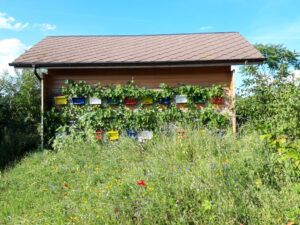
“The Varroa mite has lost its bite”
“The Varroa mite has lost its bite” Experiences of treatment-free beekeeping – a presentation at the Wels...
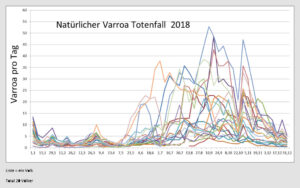
Dealing with Varroa: Natural or Artificial Selection?
Dealing with Varroa: Natural or Artificial Selection? by David Heaf Based on their knowledge of honeybee biolo...
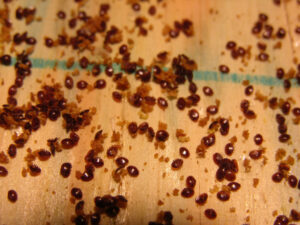
Natural defense mechanisms of the honey bee against the Varroa mite
Natural defense mechanisms of the honey bee against the Varroa mite Wild honey bee colonies—both truly wild (i...
Popular Initiative “Save the Bee” – A Knee-Jerk Reaction?
Source: Heinrich Kattenbeck “Save the Bee” popular initiative in Baden-Württemberg A personal statement by Dr Fank Kr...