Skip to content
  • Shop
  • Contact
CHF 0.00 0 Cart
  • DE
  • FR
  • EN
  • About us
    • Our values
    • Board
    • Office
    • Scientific council
    • Statutes
    • Annual report
    • Employment
    • Contact
    • Privacy Statement
  • Support now
    • Donate now
    • Become a member
  • Projects
  • Courses/Events
    • Our courses and events
    • Konferenzen – Conférences – Conferences
    • Online bee course
  • Solutions
    • Beekeeper
    • Honey
    • Nature lover
    • Land cultivators
    • Report feral bee colonie
  • FTB Bulletin
  • Blog
  • Infothek
    • Photos/Movies/Videos
    • Courseware
    • Links
  • About us
    • Our values
    • Board
    • Office
    • Scientific council
    • Statutes
    • Annual report
    • Employment
    • Contact
    • Privacy Statement
  • Support now
    • Donate now
    • Become a member
  • Projects
  • Courses/Events
    • Our courses and events
    • Konferenzen – Conférences – Conferences
    • Online bee course
  • Solutions
    • Beekeeper
    • Honey
    • Nature lover
    • Land cultivators
    • Report feral bee colonie
  • FTB Bulletin
  • Blog
  • Infothek
    • Photos/Movies/Videos
    • Courseware
    • Links
  • About us
    • Our values
    • Board
    • Office
    • Scientific council
    • Statutes
    • Annual report
    • Employment
    • Contact
    • Privacy Statement
  • Support now
    • Donate now
    • Become a member
  • Projects
  • Courses/Events
    • Our courses and events
    • Konferenzen – Conférences – Conferences
    • Online bee course
  • Solutions
    • Beekeeper
    • Honey
    • Nature lover
    • Land cultivators
    • Report feral bee colonie
  • FTB Bulletin
  • Blog
  • Infothek
    • Photos/Movies/Videos
    • Courseware
    • Links

I found a wild bee colony!

  • Report bee colonies living in the wild

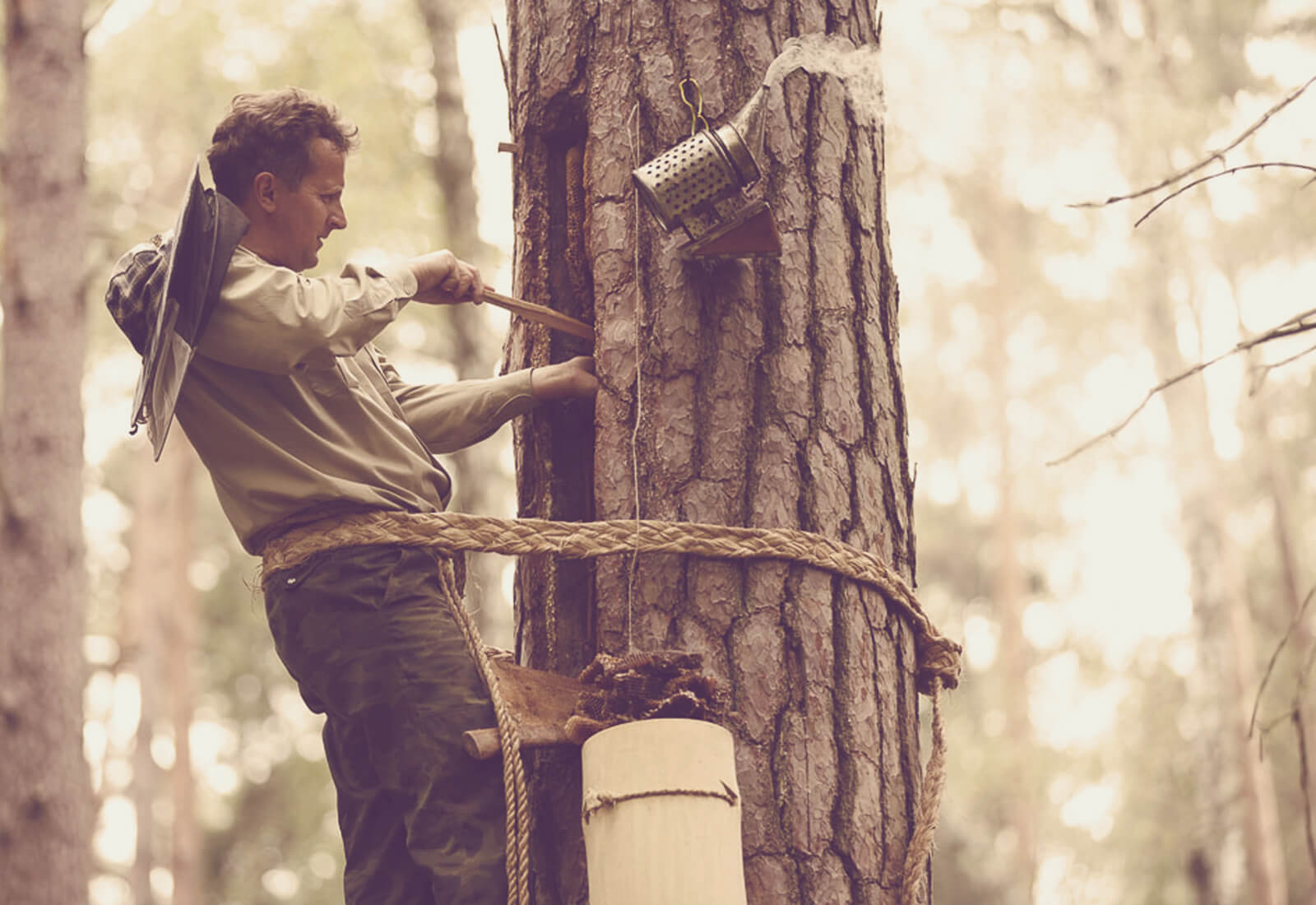
    Report any sites to us where there are honeybee colonies living autonomously! Your information will allow us to make an estimate as to the number of bee colonies living in the wild in Switzerland and as to their survival rate. Your data will be treated confidentially and exclusively made available to the FREETHEBEES’ Association board unless your consent has been received for any other use. Statistical analyses will be anonymized and the geographic dissemination of colonies living in the wild only roughly shown so that the colonies will be protected from unwanted interventions. All local honeybee colonies that are not cared for by people fall under the definition of wild and autonomously living colonies. This means no feeding, no treatment, no interference in brood nests and in the honey super. Such bees can live in roof projections, abandoned houses, hollow trees, chimneys etc. but also in FREETHEBEES bee boxes, hollowed-out tree trunks or even in the commonly used beehive systems.
  • Drop files here or
    Accepted file types: jpg, jpeg, png, pdf, tif, tiff, Max. file size: 256 MB.

    Report free living bee colonies

    Newsletter

    CONTACT

    Association FREETHEBEES
    c/o André Wermelinger
    Route des Pierrettes 34
    CH-1724 Montévraz
    +41 79 439 99 10
    bee@freethebees.ch
    Linkedin Facebook Instagram Youtube

    NAVIGATION

    • Home
    • About us
    • Support now
    • Projects
    • Courses / Events

    NAVIGATION

    • Solutions
    • Bulletin
    • Blog
    • Infothek

    FREETHEBEES

    FREETHEBEES makes bee research accessible to all levels of knowledge. We show simple and pragmatic possibilities for action to protect and promote the free-living honey bee, which is threatened with extinction. Because even the loss of the smallest animals has far-reaching consequences for our future.

    MAKE A DONATION
    ©2023 FREETHEBEES​

    Privacy Policy

    Data Management

    Wir verwenden Cookies, um sicherzustellen, dass wir Ihnen die beste Erfahrung auf unserer Website bieten. Wenn Sie diese Seite weiterhin verwenden, gehen wir davon aus, dass Sie damit einverstanden sind. Unsere Cookie Bedingungen finden Sie unter Datenschutzerklärung.