Skip to content
  • Shop
  • Contact
CHF 0.00 0 Cart
  • DE
  • FR
  • EN
  • About us
    • Our values
    • Board
    • Office
    • Scientific council
    • Statutes
    • Annual report
    • Employment
    • Contact
    • Privacy Statement
  • Support now
    • Donate now
    • Become a member
  • Projects
  • Courses/Events
    • Our courses and events
    • Konferenzen – Conférences – Conferences
    • Online bee course
  • Solutions
    • Beekeeper
    • Honey
    • Nature lover
    • Land cultivators
    • Report feral bee colonie
  • FTB Bulletin
  • Blog
  • Infothek
    • Photos/Movies/Videos
    • Courseware
    • Links
  • About us
    • Our values
    • Board
    • Office
    • Scientific council
    • Statutes
    • Annual report
    • Employment
    • Contact
    • Privacy Statement
  • Support now
    • Donate now
    • Become a member
  • Projects
  • Courses/Events
    • Our courses and events
    • Konferenzen – Conférences – Conferences
    • Online bee course
  • Solutions
    • Beekeeper
    • Honey
    • Nature lover
    • Land cultivators
    • Report feral bee colonie
  • FTB Bulletin
  • Blog
  • Infothek
    • Photos/Movies/Videos
    • Courseware
    • Links
  • About us
    • Our values
    • Board
    • Office
    • Scientific council
    • Statutes
    • Annual report
    • Employment
    • Contact
    • Privacy Statement
  • Support now
    • Donate now
    • Become a member
  • Projects
  • Courses/Events
    • Our courses and events
    • Konferenzen – Conférences – Conferences
    • Online bee course
  • Solutions
    • Beekeeper
    • Honey
    • Nature lover
    • Land cultivators
    • Report feral bee colonie
  • FTB Bulletin
  • Blog
  • Infothek
    • Photos/Movies/Videos
    • Courseware
    • Links

High-resolution maps of Swiss apiaries

January 2019

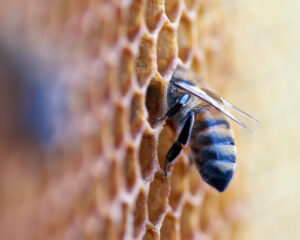
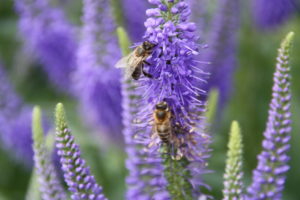
High-resolution maps of Swiss apiaries and their applicability to study spatial distribution of bacterial honey bee brood diseases

Honey bees directly affect and are influenced by their local environment, in terms of food sources, pollinator densities, pathogen and toxin exposure and climate.

Read more

In the same category

#Remarkable news

Deutsch: Zwei Imker wagen den Befreiungsschlag

Deutsch: Zwei Imker wagen den Befreiungsschlag Sorry, this entry is only available in German. — Lesen Sie hier.mehr dazu.

More »
25. January 2018 No Comments
#Books

Golden ratio in the elliptical honeycomb

Golden ratio in the elliptical honeycomb The honeybee comb, which is highly similar among honeybee species, is a mass of six–sided cells made by honeybees. It contains the brood, the

More »
25. January 2018 No Comments
#Remarkable news

Deutsch: Bienenpoesie – Blätterfall

Deutsch: Bienenpoesie – Blätterfall Sorry, this entry is only available in German. — Ein Bienchen auf weiter Flur allein, wollte nochmals die Sonne grüssen. Gegen den Rat: “bitte bleib daheim!“

More »
25. January 2018 No Comments

Report free living bee colonies

Newsletter

CONTACT

Association FREETHEBEES
c/o André Wermelinger
Route des Pierrettes 34
CH-1724 Montévraz
+41 79 439 99 10
bee@freethebees.ch
Linkedin Facebook Instagram Youtube

NAVIGATION

  • Home
  • About us
  • Support now
  • Projects
  • Courses / Events

NAVIGATION

  • Solutions
  • Bulletin
  • Blog
  • Infothek

FREETHEBEES

FREETHEBEES makes bee research accessible to all levels of knowledge. We show simple and pragmatic possibilities for action to protect and promote the free-living honey bee, which is threatened with extinction. Because even the loss of the smallest animals has far-reaching consequences for our future.

MAKE A DONATION
©2023 FREETHEBEES​

Privacy Policy

Data Management

Wir verwenden Cookies, um sicherzustellen, dass wir Ihnen die beste Erfahrung auf unserer Website bieten. Wenn Sie diese Seite weiterhin verwenden, gehen wir davon aus, dass Sie damit einverstanden sind. Unsere Cookie Bedingungen finden Sie unter Datenschutzerklärung.